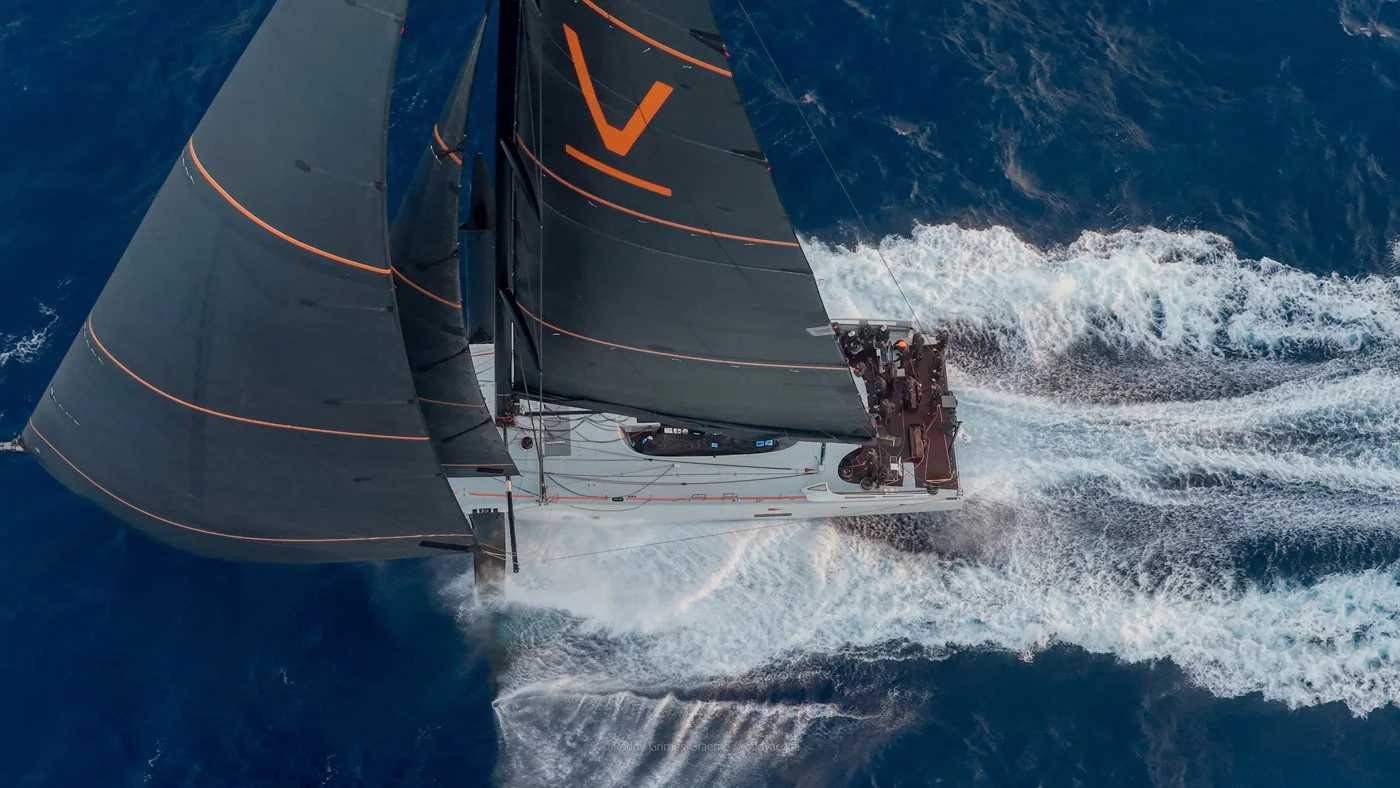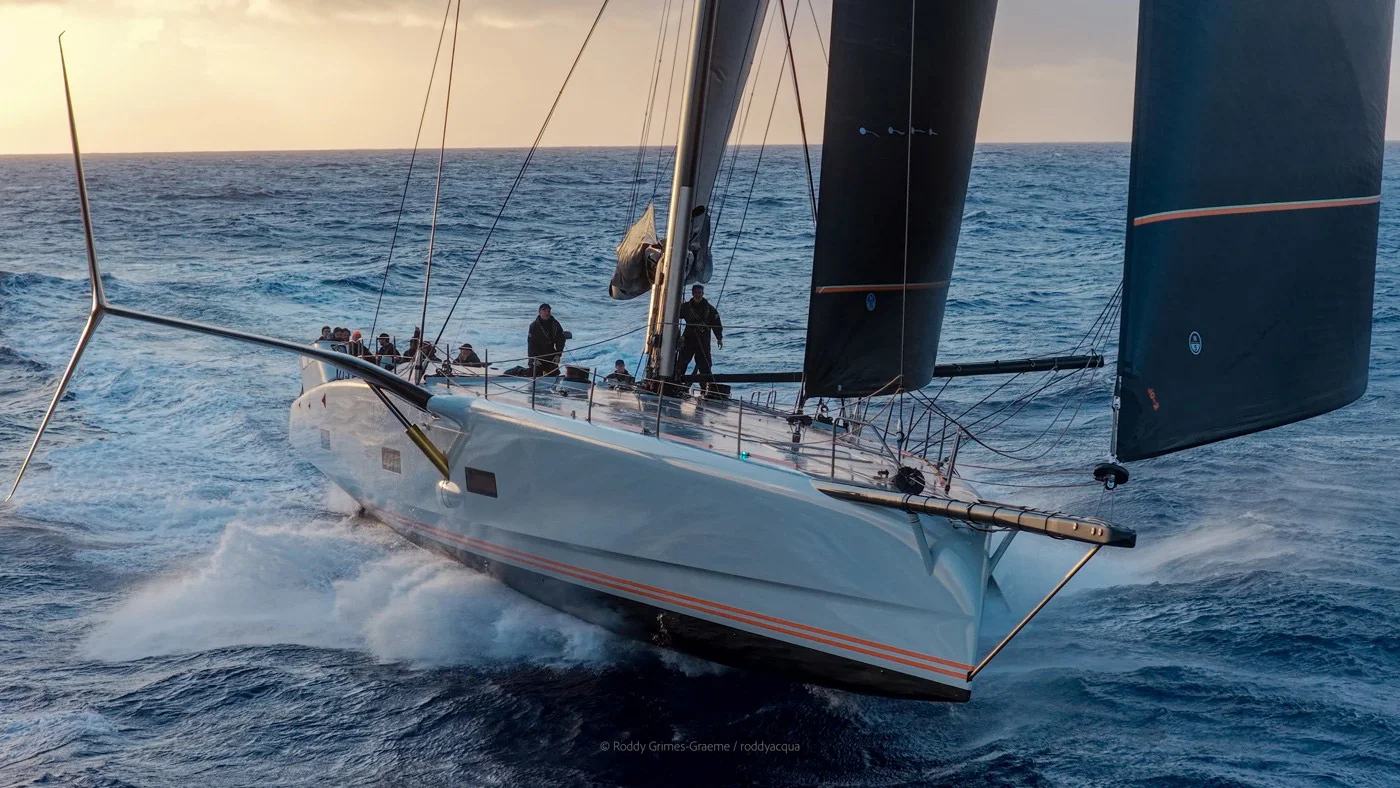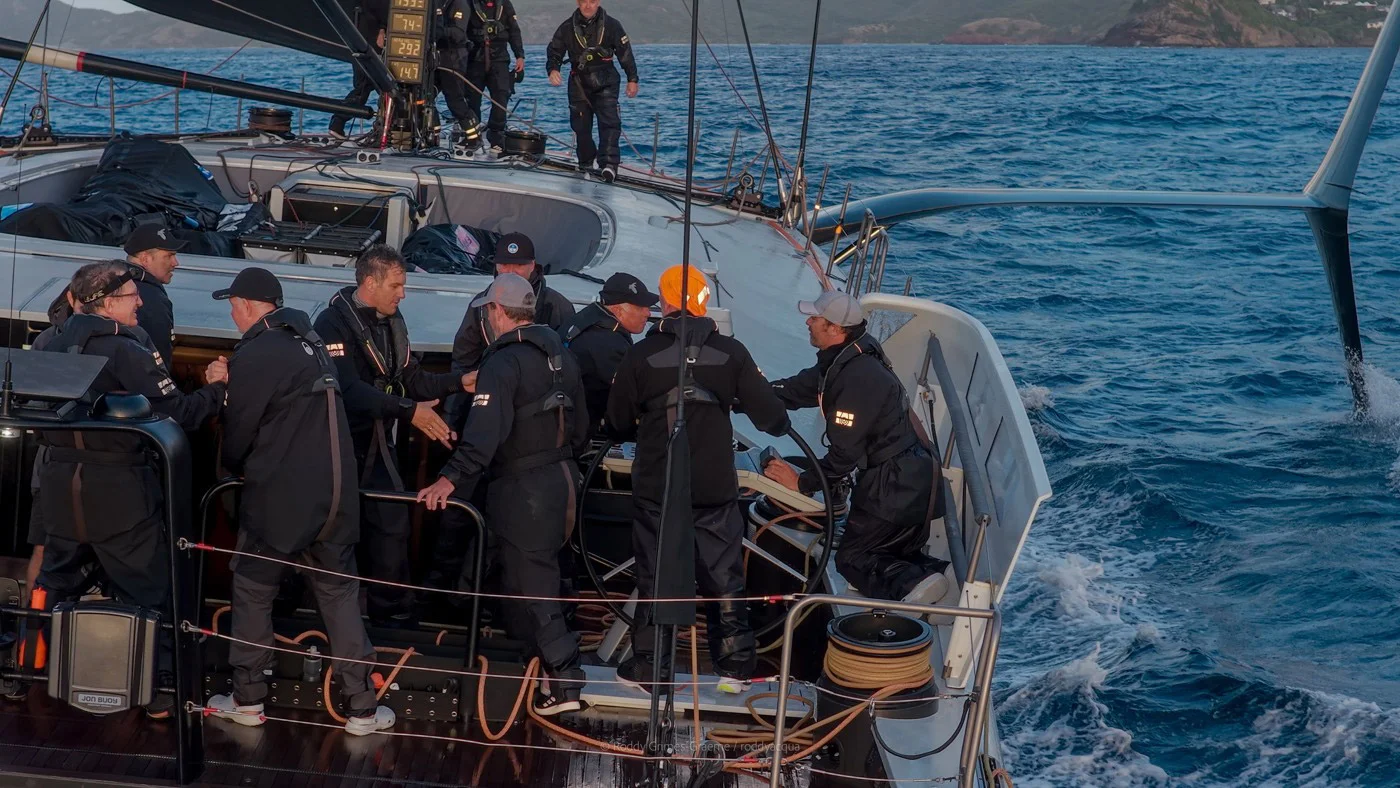
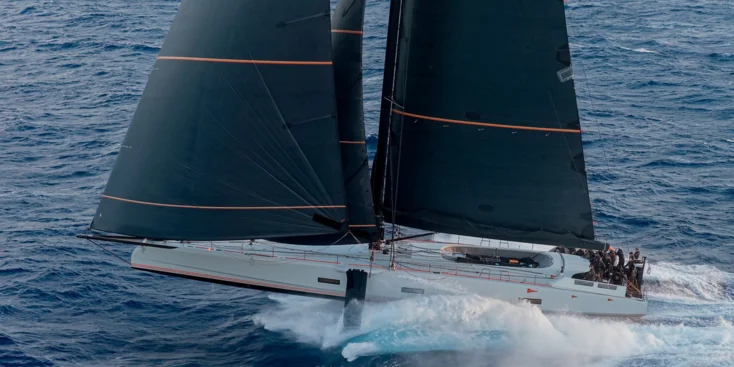
According to the organisers of the transatlantic regatta, the Raven, which came first among the maxi yachts, has not only improved the previous record of the Comanche team by a whole day, but also fundamentally expanded the limits of monohull performance in offshore racing
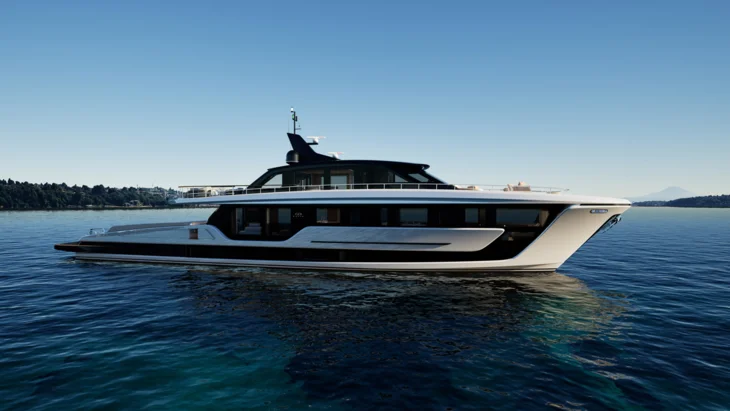
The innovative project by Baltic Yachts that ilodka.com has told you about in the article named “Baltic 111 Raven: 34 metres of breakthrough innovations by Baltic Yachts”, was conceived as an industry game-changer. The Raven’s futuristic exterior and interior were designed by Finnish Jarkko Jämsen, while the ultramodern architecture and engineering are owed to Botin Partners and PURE Design, who worked on the world’s fastest yachts for the America’s Cup and Maxi Cup.

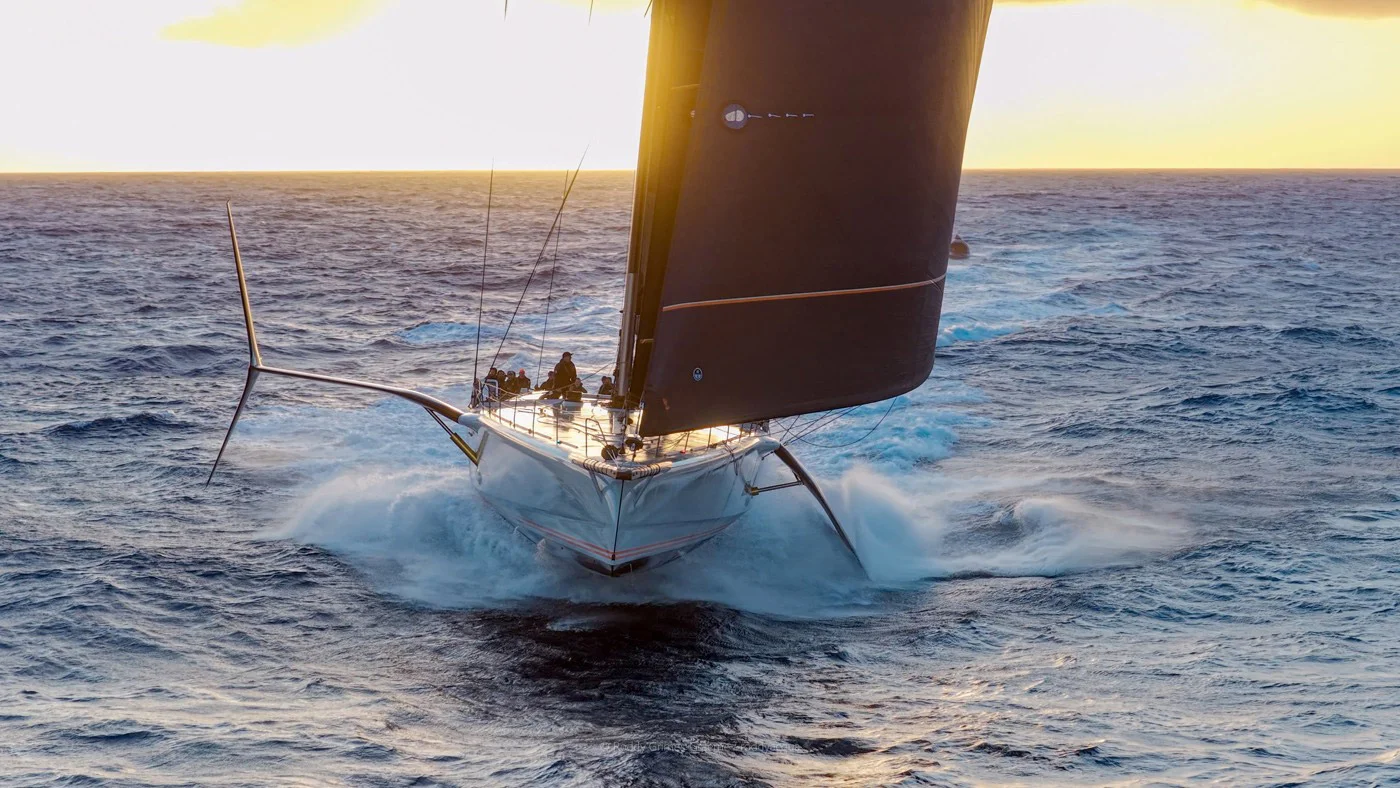
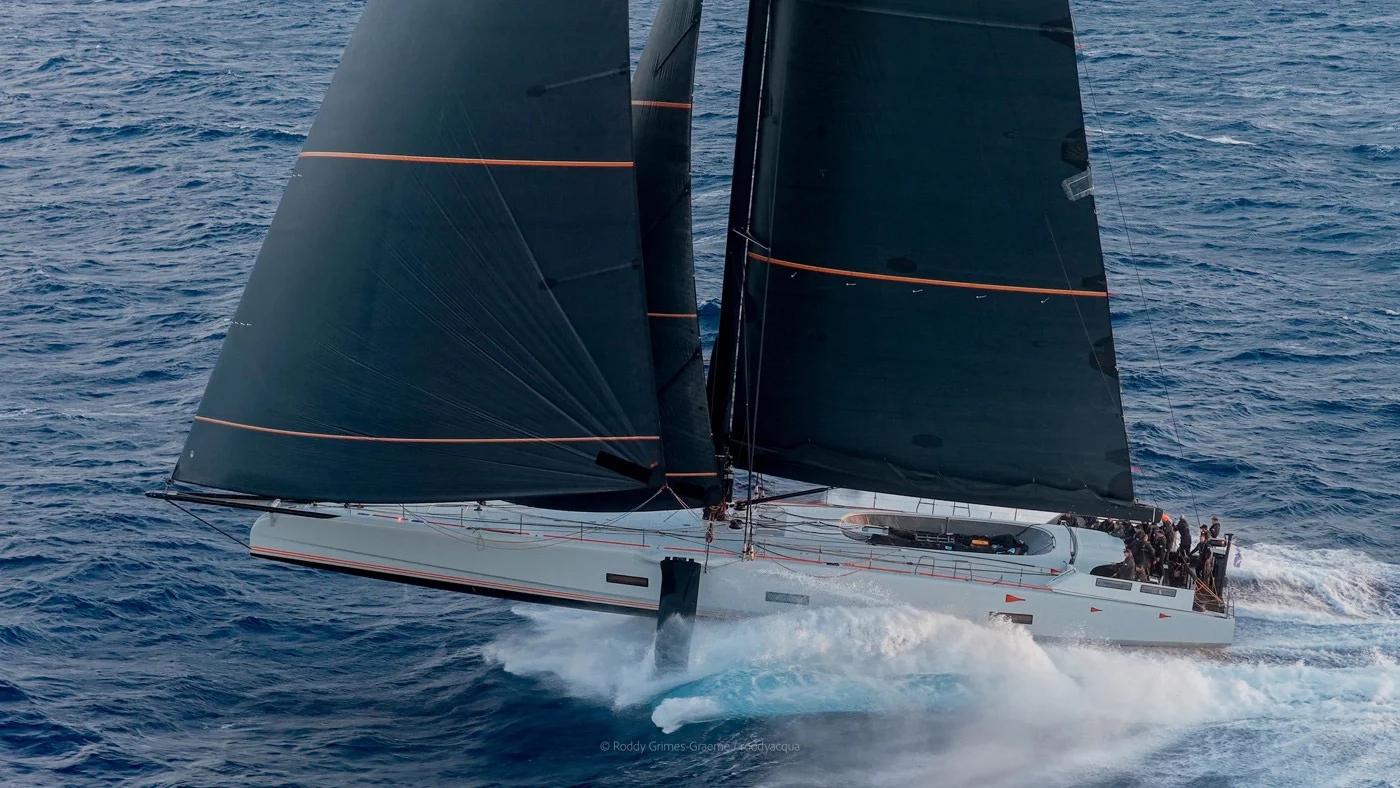
For the sake of better aerodynamics the lightweight hull (just 55 tonnes) of carbon, Nomex and Kevlar, does not have either a superstructure or deck covering. The underwater part designed to sail on the leeward chine is fitted with large T-shaped foils on canting side arms controlled by smart electronics. Even in a displacement mode and moderate wind, the Raven can reach a speed of 20 knots and exceeds 30 knots when planing.
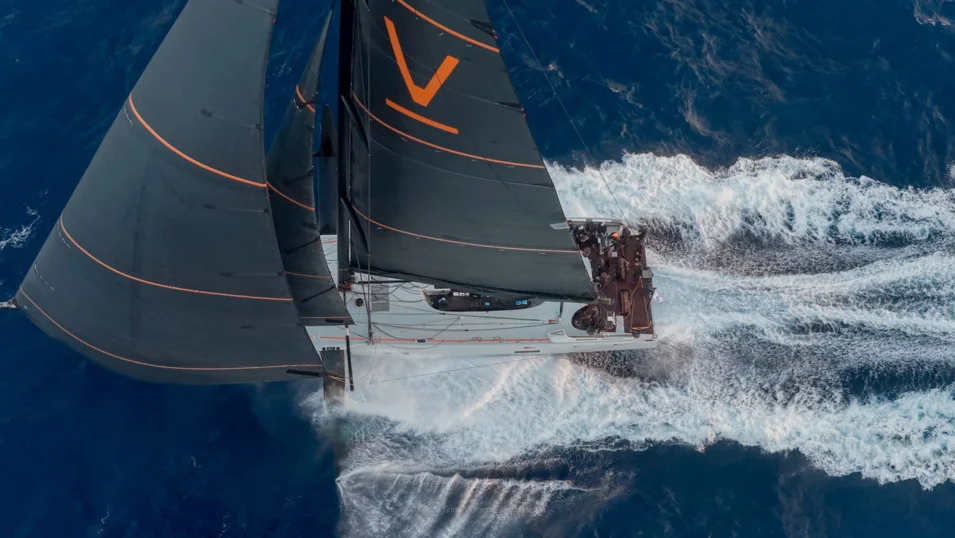
So, is it any wonder that this boat completed the Atlantic crossing from the port of Lanzarote in the Canary Islands to the Caribbean island of Antigua in just under a week!?
The Raven’s rivals were quite serious: trimarans MOD70 Argo and Zoulou (although multihulls compete in their own division), 128-foot superyachts Be Cool and Linnea Aurora, which are slower, but can get extra handicap points, and finally, the main rival, maxi yacht Comanche. This 30.5-metre racing yacht designed by VPLP and Guillaume Verdier in 2014 at Hodgdon Yachts shipyard is famous for her records in numerous offshore regattas, including the iconic Rolex Sydney Hobart Yacht Race.
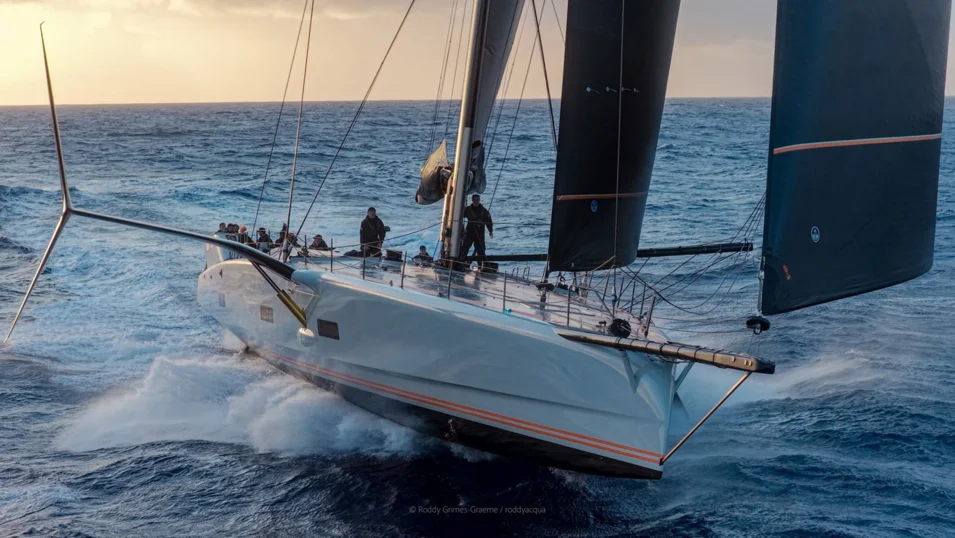
It is interesting to note that the Raven’s navigator was Will Oxley, who also navigated the Comanche to the monohull race record in the 2022 RORC Transatlantic Race to Grenada: 7 days, 22 hours 1 minute 4 seconds. Comparing the two boats, he underscored how radical the new champion is and described her as a benchmark for high-performance sailing.
Skipper Damien Durchon commented on the Raven’s fantastic performance and responsiveness: “At 30 knots and above, you’re moving quicker than the waves themselves. You’re working your way through the sea rather than reacting to it. It’s demanding, but the boat remains remarkably manageable.”
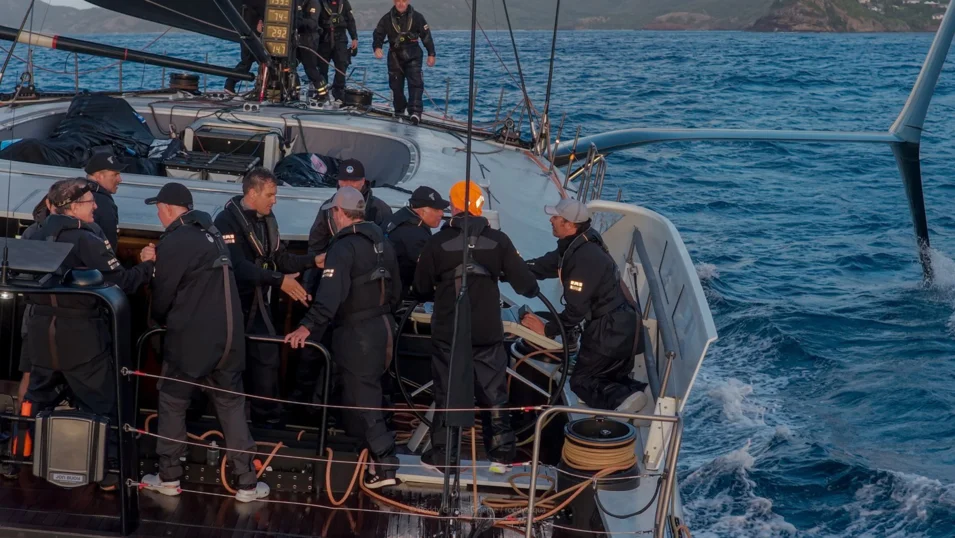
“This was the first transatlantic race for the boat and the owner,” added Durchon. “To set a record in your first attempt is something very special”.
As Raven literally flew into English Harbor on her hydrofoils, she didn't just win the race. Her IRC time raised the bar really high for monohull yachts competing in offshore regattas, and it remains to be seen whether any competitors will be able to break her record in the coming years.
You have successfully subscribed to our newsletter