Yacht as an investment: do you own her or does she own you?
While some brokers talk about liquidity, charter income and the “right” ownership structure, the reality is actually far harsher: almost always a yacht requires more money, time and discipline than her future owner is willing to accept
In fact, the question is not whether a yacht can generate income, but in what cases it stops being a beautiful expense and becomes an asset – albeit a very capricious one.
Buying a yacht is rarely a purely financial decision, and that's the main pitfall. Behind the beautiful picture, there is fuel, marina berths, crew, maintenance, insurance, taxes, potential charters and the reputation of the yacht and crew. What has long been hidden behind the rhetoric about lifestyle actually boils down to one question: how to make the yacht serve the owner, and not the other way around.
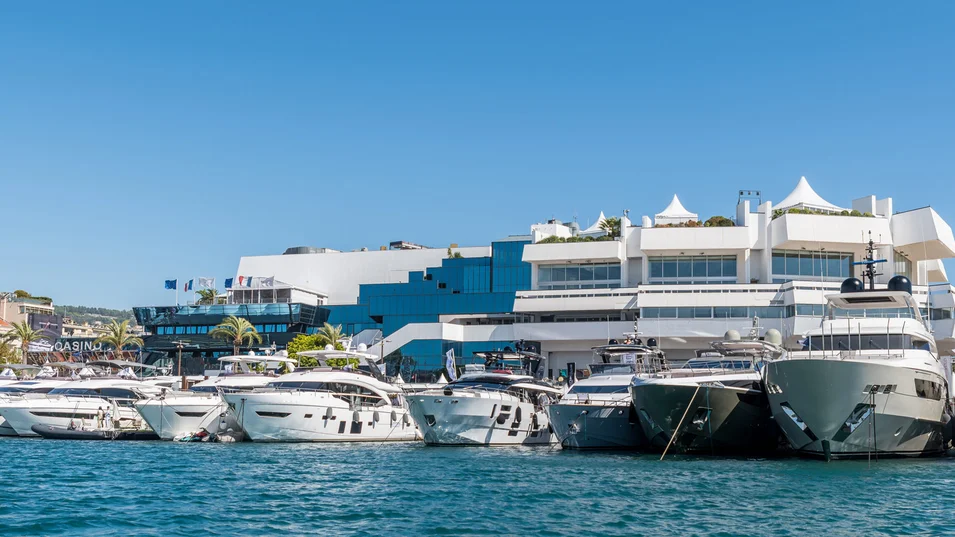
The path to yachting used to be quite clear: first, a smaller boat, then a larger one, then even larger. Today, there are more and more people leapfrogging some stages while climbing this ladder. Nowadays, as it’s been noted by Anders Kurtén (CEO of Fraser Yachts) in his Business Insider interview, it’s not uncommon that somebody who’s in their 40s buys their first yacht and goes directly to a 50 or 60-meter yacht. It’s a different generation of owners: with Excel spreadsheets in their heads, family offices under their belt and a far more uncomfortable question than they used to ask out loud: how to make this decision not only emotionally correct, but operationally sound?
Money can’t buy happiness
First and foremost, it is important to distinguish between two things that yacht buyers often mix up: financial return and return on use. The former occurs when an asset is sold for more than its total cost of ownership. The latter refers to the value the yacht provides to the owner while they own her. Stocks offer only the first type of return. Yachts more often offer the second one and at different levels: operational, strategic, emotional and, given the right structure, financial.
“A yacht is for sure a great investment in your family, lifelong memories and new experiences that will be hard to find anywhere else. Don’t analyse your pleasures”, says Bob Denison, President of Denison Yachting. His family has been selling yachts since 1948, so it’s not a marketing slogan, but a conclusion of someone who has been observing the market from the inside for decades. His advice not to analyse your pleasures is probably one of the most accurate comments on buying a yacht.
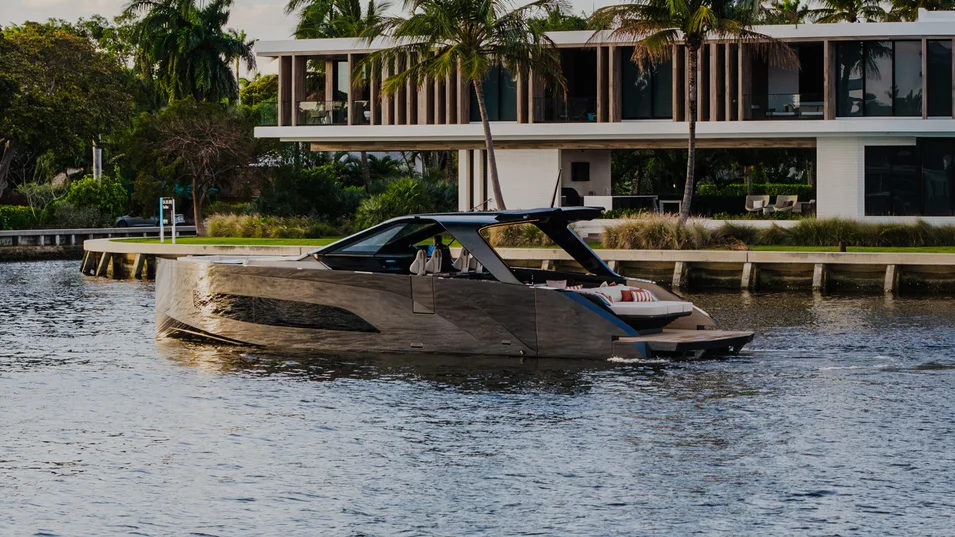
However, pleasure does not rule out the need for careful calculation. Both Denison and Patric Daccache, a Dubai-based yacht consultant and columnist for “Superyacht Investor”, agree on one thing: the sooner the owner can understand the ownership structure, the less likely it is that the pleasure will turn into a financial headache.
Price of success
Scenarios in which a yacht becomes a true asset do exist. According to Denison, the neatest option is to buy a yacht at a great price, often in a distressed situation for the seller, and then charter her out aggressively to cover a decent chunk of running costs. But hardly ever 100%.
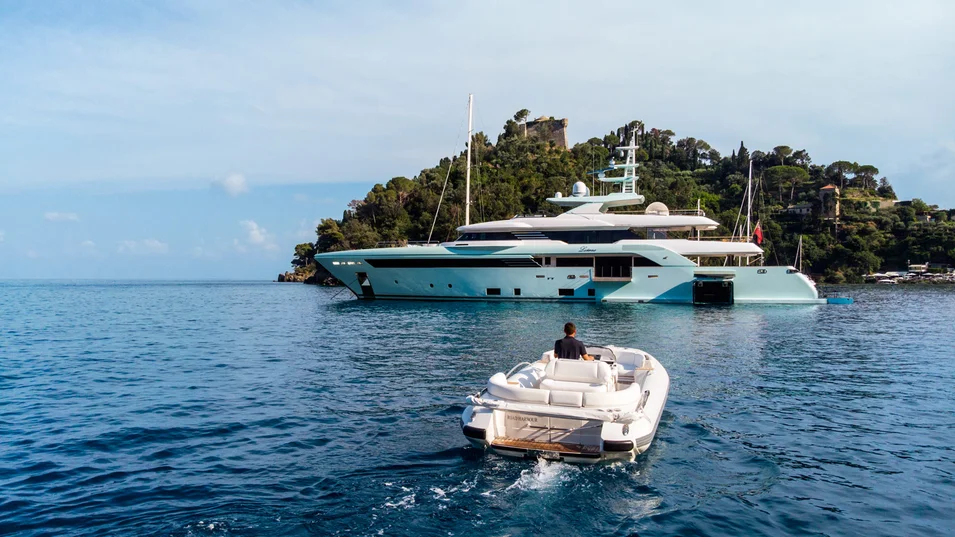
Daccache gets even tougher here: “A yacht only behaves like an investment if it is operated like one: consistent charter positioning, professional management, predictable uptime, and a clear exit plan. Without that, investment is just a comforting word for hoping the depreciation will not hurt.”
Be realistic!
According to Daccache, the rule of 10 percent of purchase price per year is too optimistic. In charter operations, true annual costs usually turn out to be 30 to 50 percent higher than buyers budget for. It’s not fuel that is the biggest surprise, but the velocity of maintenance, refit cycles and the cost of keeping the yacht constantly survey ready.
It’s not an argument against buying, but rather a frame of references. When you enter into a deal with a realistic figure in mind, you are less likely to sell the yacht in two years all stressed out. As Denison puts it, “Most buyers I have known seem to be honest with themselves before purchasing and account for the high cost of operations, accepting the responsibility and committing to the journey. Many of them upgrade to even larger boats since the financial strain is far outweighed by the joys of experiencing life onboard with their favourite people in the world.” A yacht becomes a mistake not when she is purchased, but when maintenance begins to feel like stress. And stress is almost always the difference between expectations and reality.

The same applies to the structure of ownership. The flag, form of ownership and tax system are not just paperwork, but part of daily operations. As Daccache puts it, structure does not only dictate operations, but the way a yacht lives. Commercial registration means strict manning requirements, frequent safety audits and rigid equipment standards. All of it is manageable if you know where the vessel is going to be cruising and how she’s going to be used. Mistakes are made when the flag is chosen based on the tax rate only.
Important factors
While risks can be foreseen, value can be both protected and increased. Daccache offers a very practical recipe for this.
First, implement a digital technical history and maintenance log from day one. Undocumented maintenance is worth zero to a buyer. The difference in price for a yacht with a perfect history and a yacht that comes with “everything was fine, believe us” can be quite considerable.
Second, secure a top tier captain and crew management structure, as high crew turnover destroys both charter consistency and asset condition. A strong captain that stays with an owner for years is one of the most underrated assets in the industry.
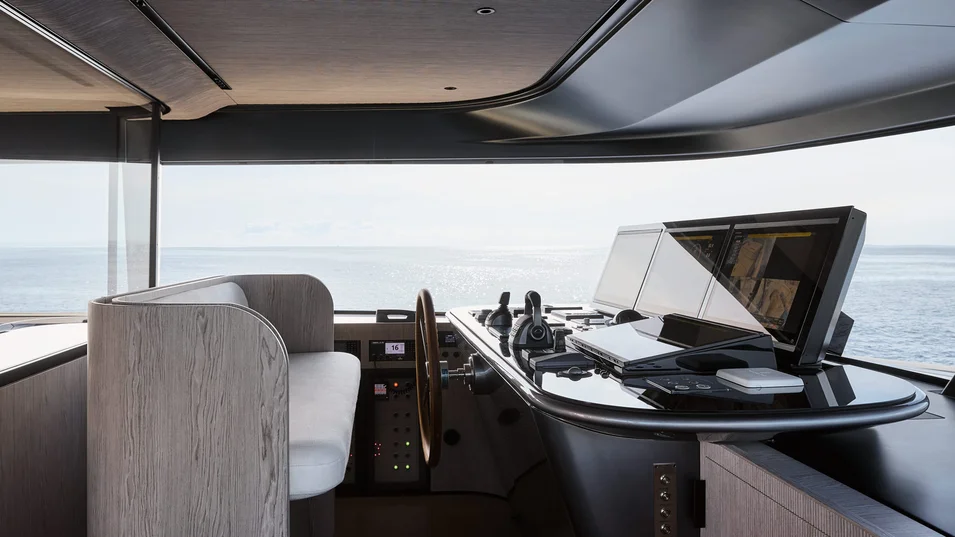
Third, prioritize reliability upgrades like stabilization systems and AV and IT infrastructure over pure cosmetic styling. The market pays for operational uptime more than for the owner’s immaculate taste. A good yacht is not only bought with eyes, but with how easy it is to live and work on board.
Refit as a tool
Designers have a comment of their own: the engine room might impress the inspector, but it’s the master suite that usually convinces the buyer. For the 50-metre Bijin refitted by Hot Lab and sold shortly after it, the biggest changes remained almost unnoticeable. Open wardrobes in the master suite were transformed into closed ones, the social areas became more comfortable and convivial, and the dining table was increased to accommodate two more people.
That is what a successful refit is like: a yacht should not shout that it’s been refitted. She should look the way she had been designed to. The value increases when the space does not only get better-looking, but more comfortable and usable. In fact, it’s a designer equivalent of charter logic: a premium is paid for an extra cabin, a wellness area and a smart layout, not for flashy finishes for the sake of finishes.
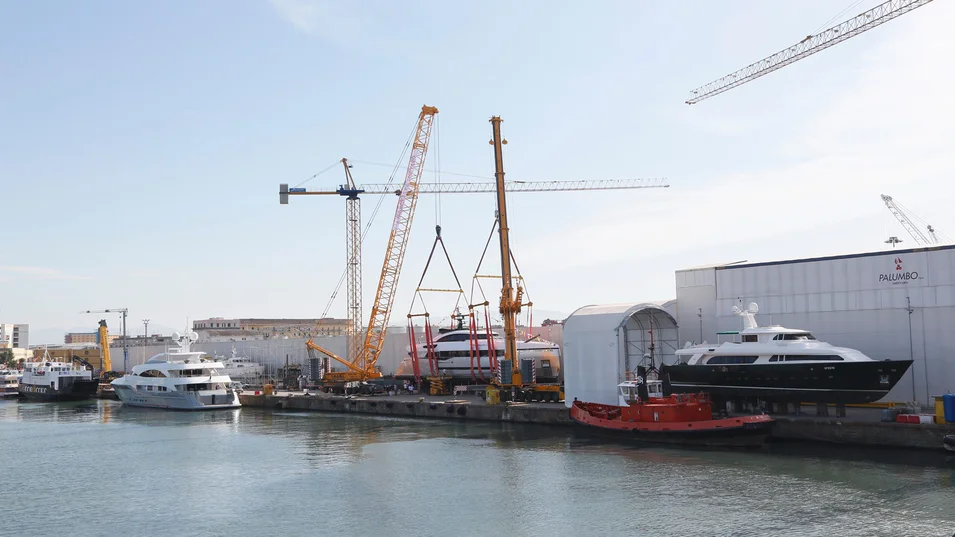
However, it’s important not to mix up two things here. A refit that sells the yacht for more is not the same as a refit that recoups all the cost. The former is quite frequent. The latter is far rarer. The purpose of a refit is not to generate miraculous return, but to bring the yacht into a good competitive shape for the market and for the owner.
Suitable dimensions
When viewed through the lens of value preservation and operational efficiency, Daccache bets on 35–45-metre fiberglass motor yacht segment with a 5–6 cabin layout, built by a premium Northern European or Italian yard. In his opinion, the West Mediterranean remains the liquidity benchmark, but the yacht must have the technical specifications to easily transition to the Caribbean or Bahamas. This configuration works best for charter and minimizes the operational and crew bottlenecks of superyachts.
Denison goes further and bets on 60-metre vessels, provided there is a great crew, good charter reputation and a lot of water toys. It’s best if there is that elusive 6th cabin and a place to dedicate to wellness areas like a spa and gym.
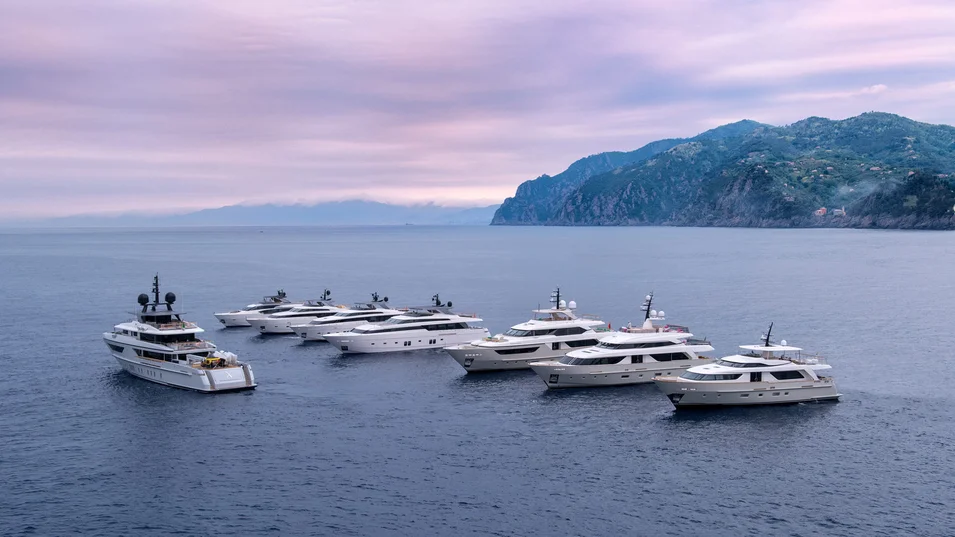
In other words, it’s all about priorities. If capital protection and manageability are more important, it's more logical to look at 35–45 meters. If the goal is maximum charter revenue and entry into the high-end segment, then 60+ meters is a better option. However, if the yacht is primarily for family use, both scenarios change: the priority is not resale, but tailoring the yacht to your individual needs.
Valuable infrastructure
The most interesting thing now is not the yachts themselves, but the infrastructure built around them. And this, oddly enough, is good news for owners.
This spring, famous tennis player Rafael Nadal acquired (through his investment company) a stake in the Spanish marina management platform Ocean Platform Marinas. The logic is simple: there are few marinas in the Mediterranean, and their number isn't growing as fast as the fleet. New projects are constrained by the coastline, urban planning restrictions and a shortage of suitable locations. At the same time, yachts are getting larger, and the demand for berths is growing. Institutional money sees the same thing. Blackstone's purchase of Safe Harbor and potential deals around D-Marin indicate that the berth shortage has become an investment story in its own right.
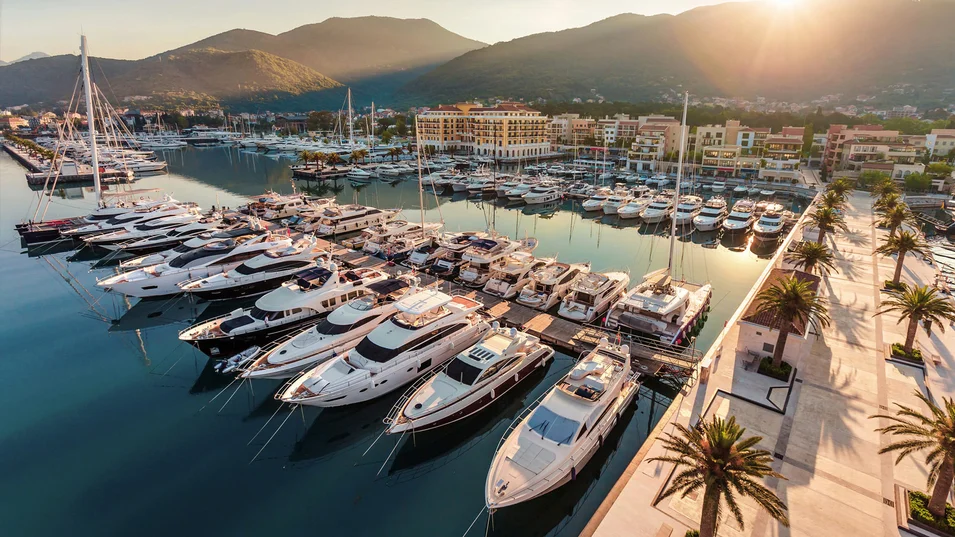
It means two things for the owner. Firstly, their berth (especially in premium Mediterranean locations) is becoming an independent asset that keeps increasing in value. Purchasing a yacht with the right marina berth today is an entry into the infrastructure coveted by global capital. Secondly, the shortage of marinas and quality infrastructure creates a structural demand for high-quality yachts in these locations. When cold money is invested in roads, it means their owners believe in long-term traffic flow. When cold money is invested in marinas, it means the same for yachts.
What the owner should keep in mind
Modern yacht economy is more complex than just "buy it and she’ll pay for herself" model. But it's precisely this complexity that creates opportunities for the smart owner. What wealthy clients are actually buying isn't just a vessel, but the opportunity to be anywhere in the world with their loved ones, in complete privacy and comfort. And in this sense, a yacht truly offers something that's difficult to calculate in Excel spreadsheets.
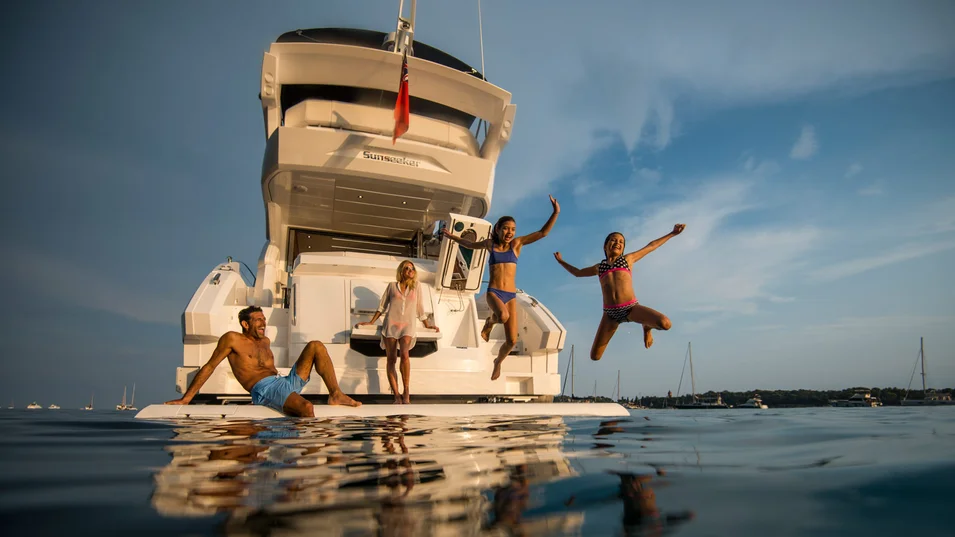
“One amazing thing about a yacht is that they are one of the few places on Earth that the kids and grandkids forget where they last left their iPad, and instead can be found super present with the family and maybe doing a cannonball off the back deck”, says Bob Denison. “It is hard to put a price tag on that.”
Reference guide for yacht investors
Charter
It's not a panacea, but with the right program, it can cover a significant part of operating expenses. The conditions for success are simple: an engaged owner, a disciplined crew, a willingness to charter the yacht during peak weeks and a professional management company. This is a business, not a supplemental income.
Documentation
A digital technical log from day one. This isn't bureaucracy, but part of the yacht's future resale value.
Crew
A strong captain that stays with an owner for years is one of the most underrated assets. Crew turnover is almost always more expensive than it seems.
Segment
35–45-metre segment is most defensible and manageable. 60+ metre vessels provide maximum charter revenue and entry into the high-end segment. The choice dependes on the owner’s priority for the next 5-7 years.
Refit
This isn't a way to recoup the investment, but rather to make the yacht more competitive. Closed wardrobes and extra seats at the table often provide more value than some striking design feature.
Marina berth
It’s an asset of its own, which is becoming increasingly important and necessary for any yacht owner, especially in premium locations.
The author would like to thank financial expert Joaquín Zapata for his invaluable assistance in preparing and creating this material
You have successfully subscribed to our newsletter