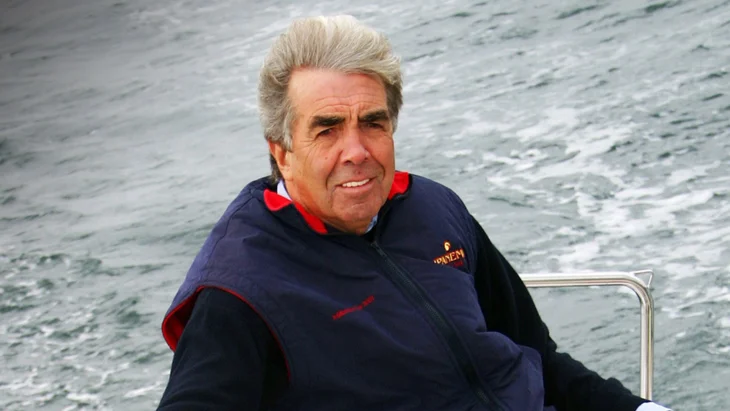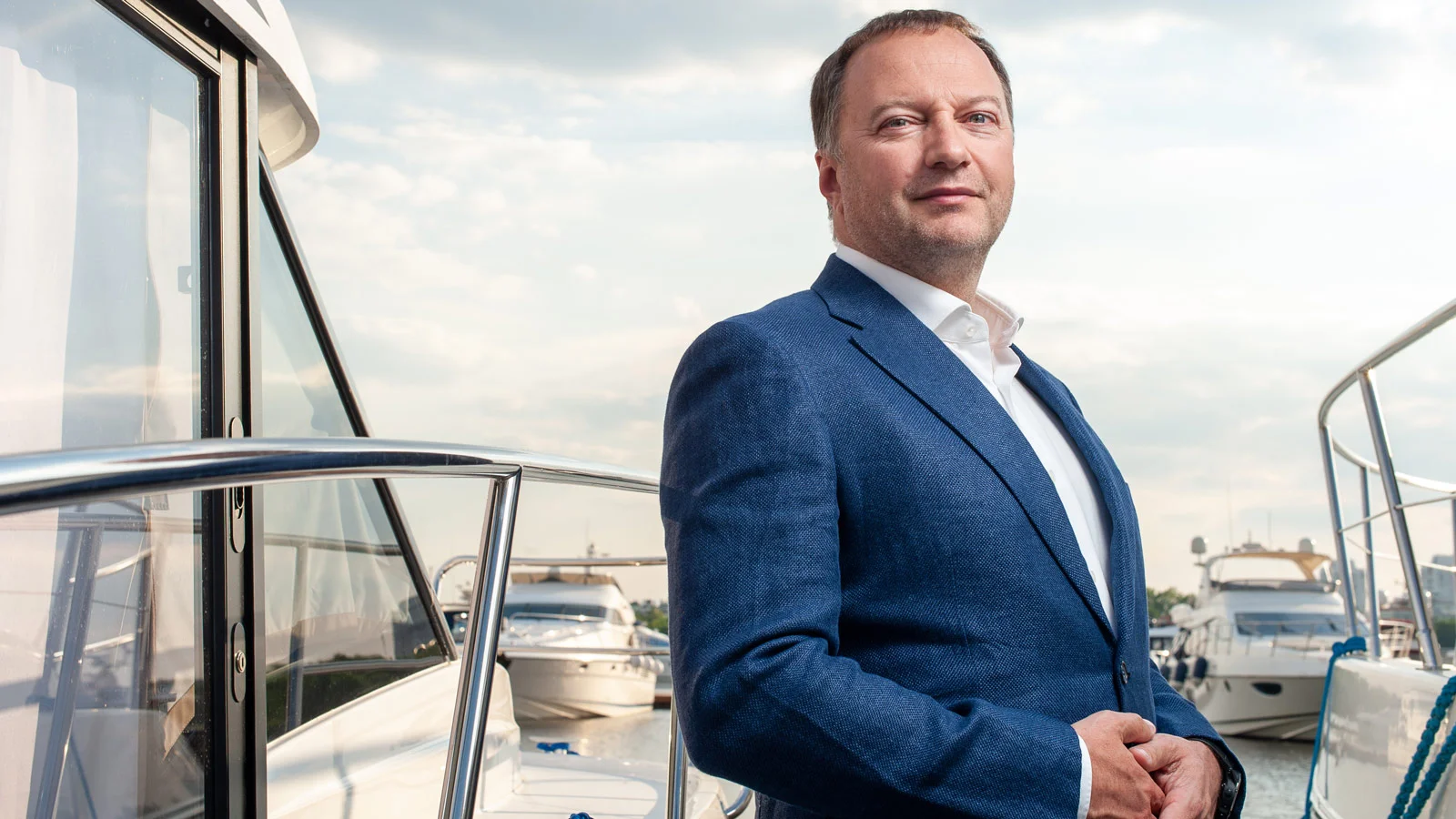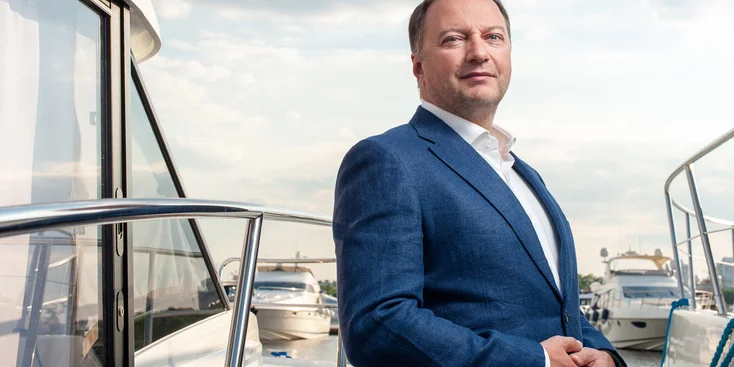
Andrey Lomakin has kindly shared his views on the current state of the yachting industry in a conversation with ilodka.com portal
The conversation turned out to be so substantive that we decided to split it into two parts. The first part focuses on the current state of the European yachting market and how the sanctions imposed on Russia have affected the Russian market and Russian-speaking clients
As of today, representatives of which countries are the primary yacht buyers?
In the segment of High-Net-Worth Individuals (HNWI) or Ultra-High-Net-Worth Individuals (UHNWI) identification has become extremely complicated, as the idea of the client’s nationality or geographical affiliation is highly blurred now. We know of a mass exodus of wealthy people from England to Italy, Switzerland and the UAE. Yet, the fact that someone has lived in England for the past 10–15 years and holds a British passport does not necessarily mean they aren't originally from India, Russia, China or Greece. Sometimes, a client born in Moscow might show up at a shipyard claiming to be an Israeli living in Switzerland, and it can be really hard to sort it all out. He went to school in Moscow, earned his first money in Russia, then went on to build his business in Europe, America, China or elsewhere. There are countless examples of this. Nowadays, what matters is not where the client comes from or where they reside, but rather where they pay taxes and where the center of their vital interests currently is.
Have European shipyards changed their attitude to Russian-speaking clients over the years of sanctions?
They certainly have. In 2022, at the Monaco Yacht Show Amels did not allow clients and brokers whose names sounded Russian on board a yacht (which people are sure to remember for a long time). And now the situation is different. In 2023 we had a yacht ready that had been commissioned before the sanctions were imposed in 2022, but the Dutch government prohibited the yard from delivering her to the client. Competent lawyers were engaged to sue the Dutch government, and ten months later, a ruling was issued permitting the client to take possession of the yacht, based on the center of his vital interests. Since then, shipyards – while keeping a very close eye on their clientele – have, so to say, begun selling yachts to Russian speakers. In other words, the market shock of 2022–2023 is over; governments have issued some clarifications, and today, if you fall into a certain client category, you can simply come and order a motor yacht.
Are Russian-speaking clients important to European shipyards?
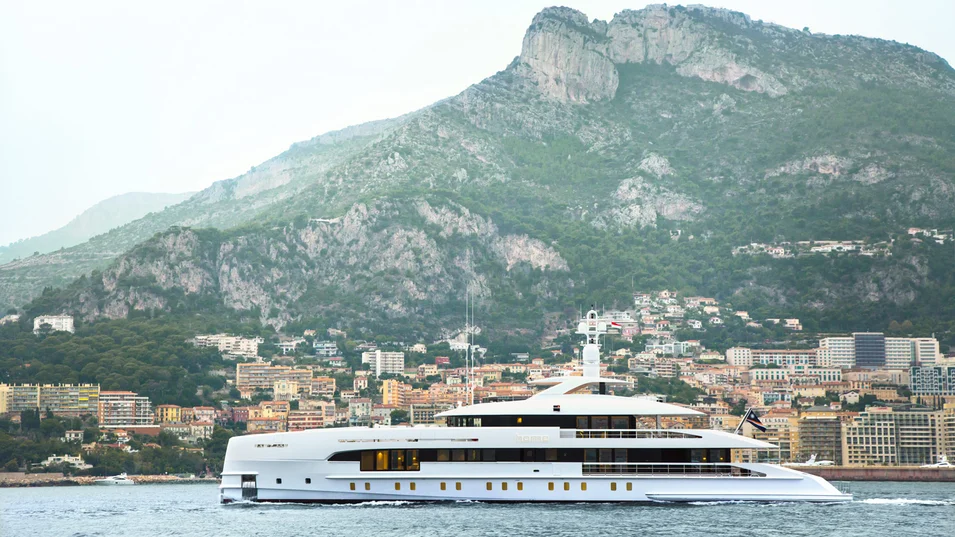
Until 2021, one in four Italian Sanlorenzo’s clients was Russian, while at Benetti it was one in three. For yachts over 80 meters, Russian clients accounted for more than 35%. At Dutch Heesen, over two-thirds of the clients were Russian-speaking. Naturally, the loss of these clients came as a massive shock to the industry and to certain shipyards. At one point, Heesen, which normally produces an average of five to six vessels a year, found itself with seven boats under construction for Russian clients. Four of these were blocked by the Dutch government, while work on the other three had to be frozen mid-construction. In rough terms, it was a year’s worth of revenue – hundreds of millions of euros – posing a tremendous challenge for the shipyard.
Now that the Russian yachting market has been under sanctions for several years now, have you noticed any changes and have you managed to adjust to the current situation?
The sanctions were imposed in 2022. As we know it from world history, a certain erosion of sanctions tends to occur around the fourth year. It is 2026 now, and we can observe that anyone who wants to buy a yacht can actually buy one, one way or another. If we talk about Ultra-High-Net-Worth Individuals, over 50% of them moved their centre of vital interests outside Russia – whether for their kids' education, residence or business. This does not mean they have forgotten their home country. They simply spend most of their time away from Moscow, St. Petersburg and so on. Unfortunately, it is natural when the situation in one's home country undergoes some changes. So those who hold passports or residence permits from other countries and actually reside there, face no issues. However, those who primarily live in Russia but travel abroad and hold certain residency rights in another country, may encounter difficulties with the purchase. The issues will largely be related to the ability to pay for the yacht, as the European banking system currently scrutinizes an individual's center of vital interests very closely. However, a vast number of PSP providers have recently emerged and are willing to take the risks and process payments in compliance with the law.
What about those who live in Russia and do not hold a passport or residence permit from any other country?
Purchasing a yacht in Europe is the most difficult option for this group of citizens. But there are parallel import channels that involve certain complications and higher costs, but still allow one to acquire a boat in Russia. Besides, there are still yachts from Turkey, the UAE or Brazil. The world is vast and extends well beyond European shipyards, so if someone is determined to buy a boat, it is certainly possible to do so.
As we know, several yacht service providers and dealers have come under scrutiny, and unfortunately one of Russia’s largest yachting groups has been sanctioned. However, the rest of the world goes on living and working, so by sticking to certain rules of the game, companies can still make offers to Russian-speaking clients.
One of the possible ways to adjust to the current situation is to buy boats that have already been built and are legally located in, say, Turkey or the UAE. Do you manage any boats like this?
We do not manage boats listed for sale to a specific group of clients. Our primary activities involve assistance with construction, fleet management, charter organization and so on. When a Russian-speaking client wishes to purchase a yacht, it entails a vast number of questions related to the KYC procedure (Know Your Customer is a mandatory verification process used by financial institutions and regulated businesses to confirm a client's identity, assess their risk profile, and ensure their financial activities are legal – Editor’s note), gathering all the documents, selecting a future flag, crew, location and handling the payment processes related to the acquisition, ongoing maintenance and so on. It is a huge set of issues that an unprepared person simply cannot navigate on their own. Professionals from family offices frequently turn to us to help them devise a solution.
So there are some solutions, aren’t there?
Yes, there are lots of individual solutions that always undergo a comprehensive analysis in terms of legality, feasibility and so on, since it is crucial not to violate the laws of any country. No one wants to close a deal only to spend the rest of their life explaining why they broke the law. So analyzing legislation, transactions and their consequences today is a massive undertaking that demands a thorough study. While our company offers a wide range of sophisticated, tailor-made solutions, we are also extremely vigilant about avoiding the "red zone." We are entrusted with dozens of yachts, and as active yacht brokers representing top brands, we ensure the utmost integrity in every transaction. At the same time, we have the ability to identify and offer a wide range of most sophisticated and innovative solutions.
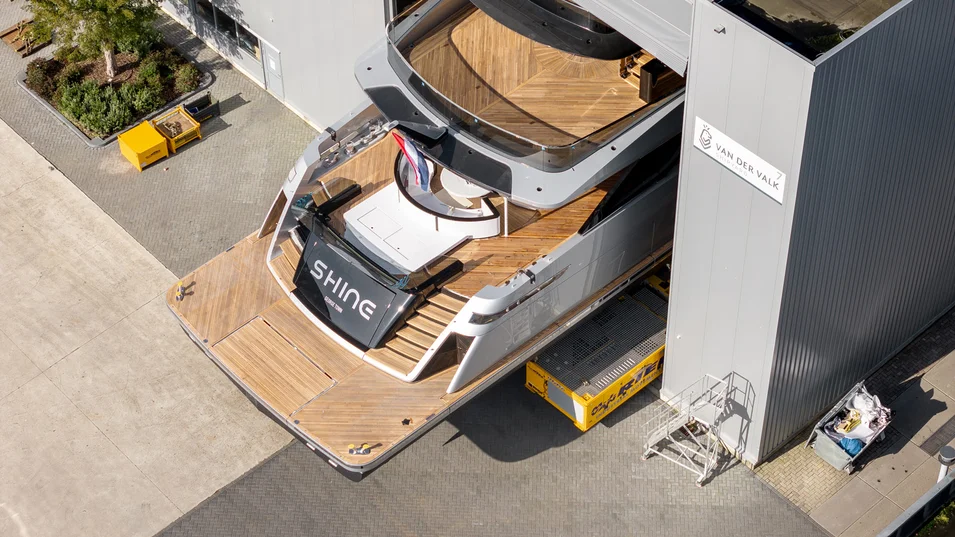
Just a few years ago, a lot of European boatbuilders had their order books filled for years to come. A new vessel delivery time could reach three, four or even more years. Has the situation changed or has it become easier to buy a yacht in Europe?
New bespoke yachts over 30 metres, and particularly over 50 metres, are still hard to get fast. The delivery time is 2-4 years, so little has changed in this size segment. According to the latest financial reports by Sanlorenzo and Benetti, compared to the stable period of 2018-2020 that we can take as 100%, sales grew by 30–40% in subsequent years. Roughly speaking, 130–140 boats were sold instead of 100. The figure reached as high as 150 in 2020–2021, and we are currently at the level of 110. There is still demand.
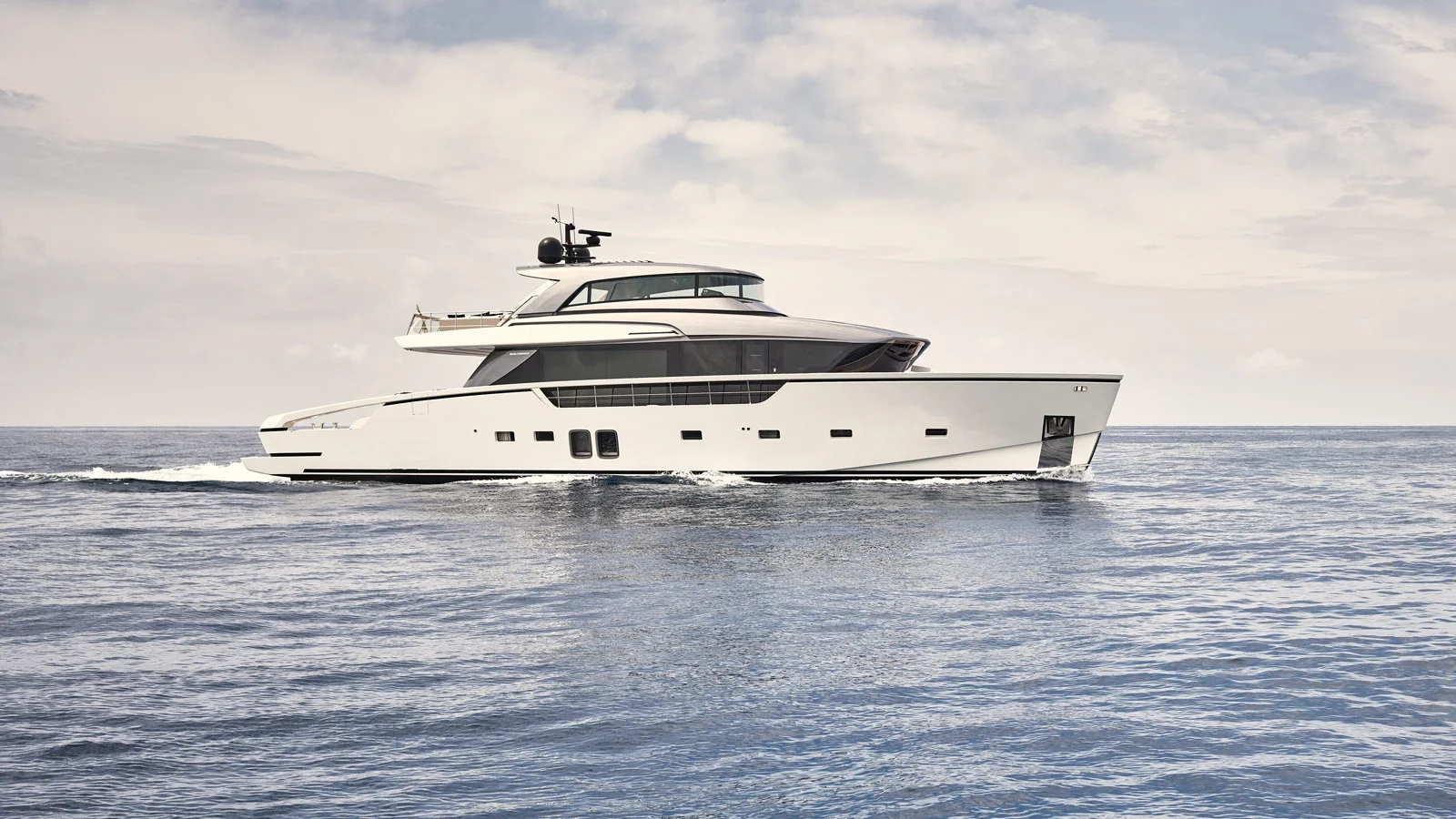
Moreover, all the leading shipyards that showed strong growth in previous years have adjusted their production volumes for the current year. Some shifted to the 30+ meter segment and managed to increase their revenue and avoid a glut. For instance, Sanlorenzo discontinued the SL78 model and cut production of the SX76 by a third, simultaneously launching the larger SX120 and SL110. Azimut, if I am not mistaken, has reduced production by 10%, whereas Benetti has increased it by 5-7%. There is a clear trend towards the more stable and confident segment of yachts over 24 m, and over 30 meters, in particular.
Has anything changed in the 50+ superyacht segment?
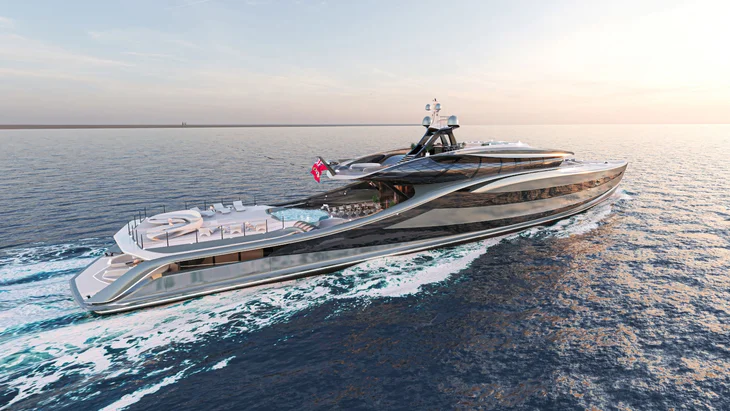
As far as I know, manufacturers of 50-80 meter yachts are doing well. All the major shipyards have their order books filled through 2029-2030. Benetti and Heesen Yachts plan to start the construction of two new projects on spec, and they are likely to find clients even before the yachts are launched. Benetti project is a little over 80 m, and Heesen Yachts is over 70 m. Heesen Yachts has a fantastically efficient new owner now, a true visionary. Last year he invited a number of European designers, including Sinot Yacht Architecture & Design, to test a new concept. To my mind, the major shipyards in this segment are fully booked, and their willingness to build large vessels for stock is a strong indicator of their confidence in the market for the coming years.
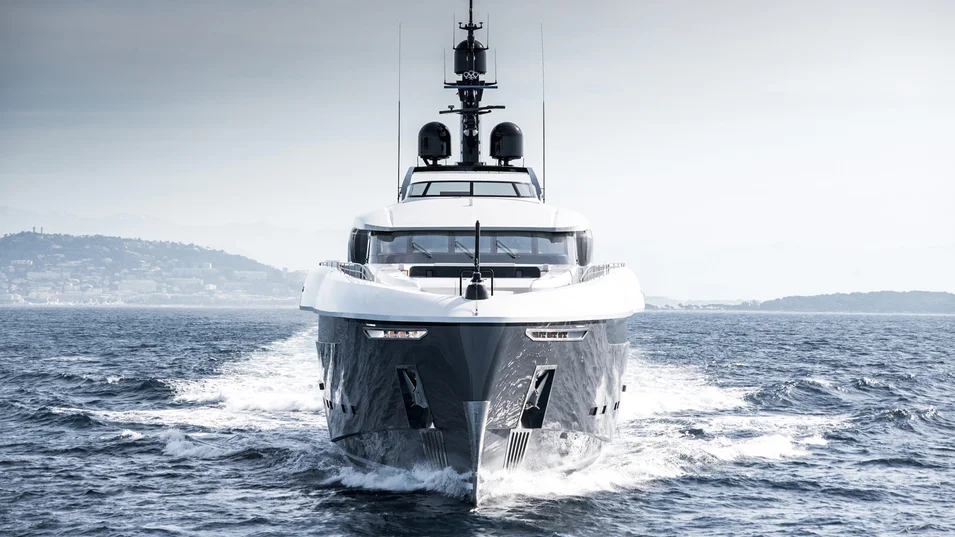
What about the 30-50 m segment?
Boats over 30 meters in length sell well virtually everywhere in the world, with demand exceeding supply. Major shipyards have order books filled for the next year or two. Clients come from Russia, Europe, the US, China, India, etc. This segment sees really high demand.
And those that are under 30 metres?
There’s a fairly balanced demand in the segment of 24-30 m, though it is heavily dependent on geography. For instance, European and Russian-speaking clients are buying well; the US market is slightly less active in this size range, and there is a slight decline in Asia. If we look at the yacht under 24 m, then the smaller a boat, the harder it is to sell it, and geography plays a major role here. Russian-speaking clients buy such boats for Russian waters, but deliveries are severely hampered at present.
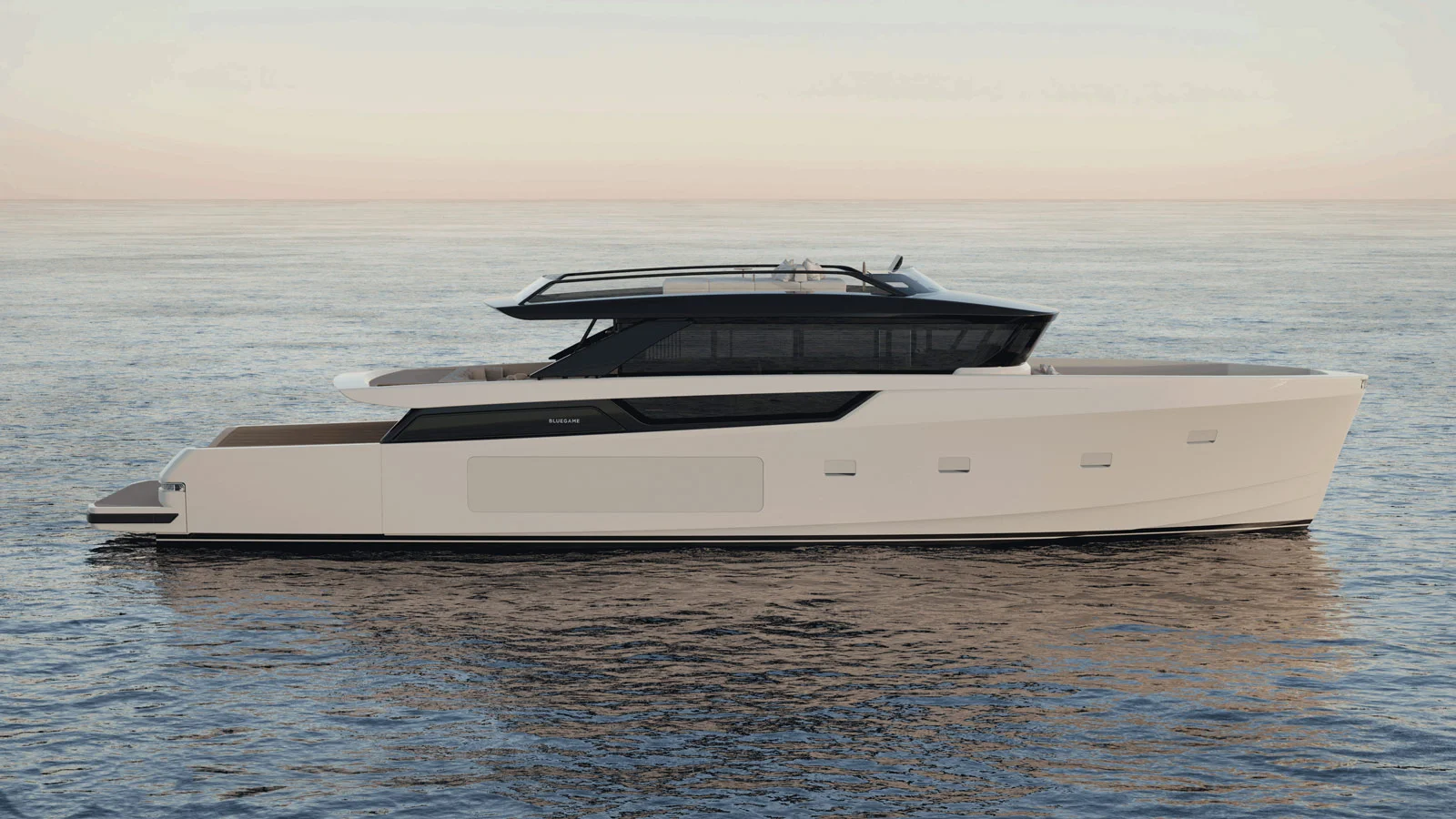
American clients have tightened their belts in this segment. Demand has dropped noticeably, leading to an oversupply – a situation that a lot of shipyards have felt. Both Princess and Sunseeker have some unsold inventory. The market became much more active in the spring of 2026 compared to the same period a year ago, or even the beginning of this year. In winter dealer inventories were getting overstocked, and now trading is quite brisk. For instance, Sunseeker London has sold out all the Manhattan 56s that premiered at boot Düsseldorf. Bluegame, which operates in this size segment, has something left, but there is no dealer stock of the bestselling BG54 and BGX63 models.
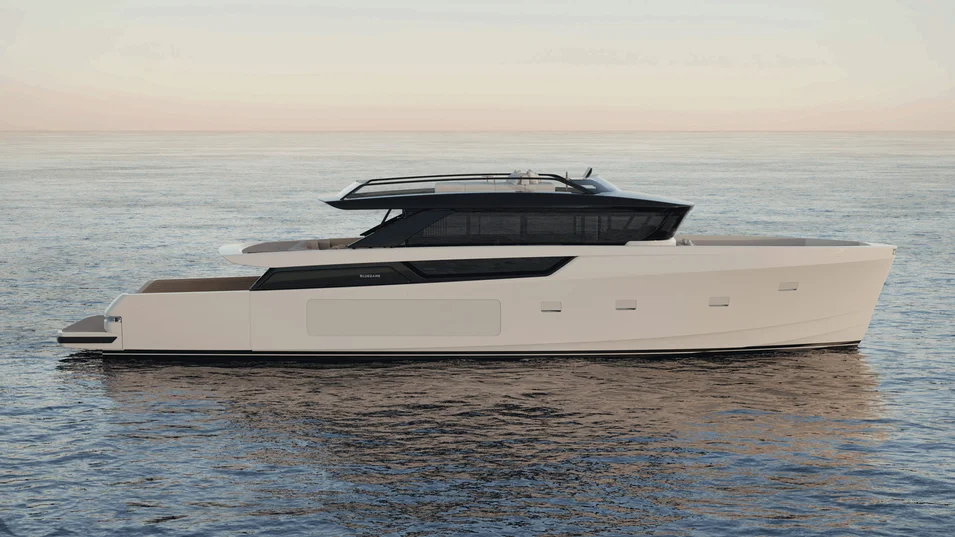
Which countries' shipyards are currently on solid ground and which are struggling? Are there any discernible patterns, or does it all depend on a particular manufacturer?
Primarily, it does depend on the manufacturer. In the segment of 40 meters and below, there is a trio of Italian leaders: Sanlorenzo, Azimut|Benetti and Ferretti groups. Together, they account for more than half of the global market. At the same time, the Italian Sea Group is in a dire financial state, and, as far as I know, external administration has been introduced to understand the origins of a debt amounting to around €300 million. Tankoa shipyard is worth noting, as it has found a niche of its own and produces about two yachts a year in the 50-60-meter range and has its own distinct style and character. One shouldn't overlook two superb manufacturers whose quality rivals that of Dutch shipyards: Cantiere delle Marche and Rossinavi. These are high-end vessels, and each shipyard operates in its own niche: CdM focuses primarily on explorer yachts, while Rossinavi specializes in stunning custom builds.
And what about British shipyards?
At the turn of the century, there were four very good manufacturers there: Fairline, Sunseeker, Princess and Sealine. I am listing them in order of popularity and brand prestige, so to say. Sunseeker and Princess are currently facing really challenging business conditions, while Fairline has gone through two bankruptcies, and its latest owners are trying to revive the brand. As for Sealine, the shipyard was moved out of England many years ago and is now based in Germany.
As far as I know, there are several decent shipyards in Turkey, though one shouldn’t forget that many yards there have gone bankrupt in recent years. I would also highlight Bering Yachts, which builds vessels with excellent seaworthiness. They have found a way to keep costs down, pricing their boats 15–20% lower than Italian equivalents, and yet these are true ships. Alia Yachts is undoubtedly a rising star. And let’s not overlook Turquoise Yachts and some others that may not boast massive production volumes but keep building.
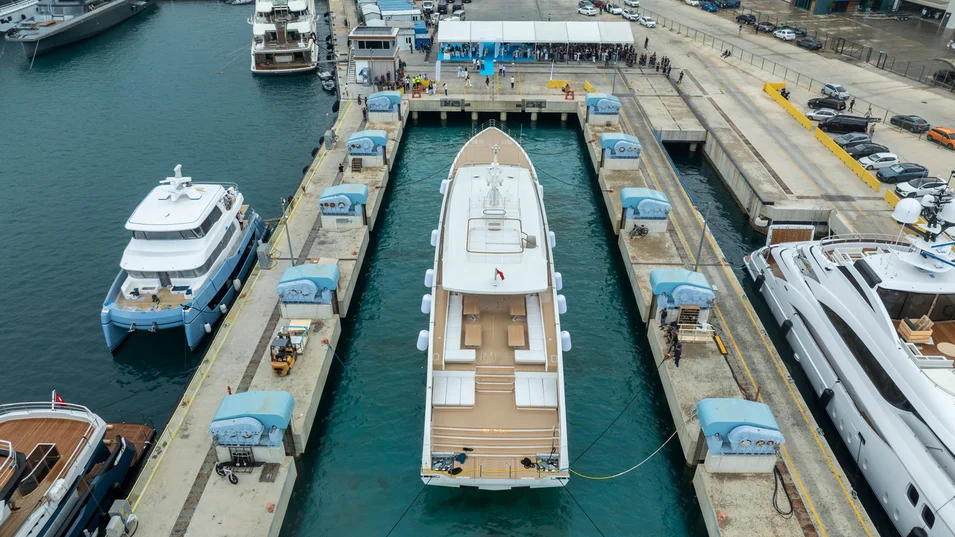
Have shipyards from other countries, such as Turkey and the UAE, managed to fill the "European" niche?
To an extent. As far as I know, over the course of a year and a half, five contracts for Majesty Yachts were signed with Russian clients. Turkish shipyards are doing well, too. It is obvious that countries that did not impose sanctions on Russian clients are selling more and benefiting from the political decisions that have been made.
Chinese cars have become a common sight on Russian roads, and Chinese shipyards are participating more and more actively in Russian yacht shows. Do you think the yachting industry will follow the same path?
No one knows that. Due to some historical factors, the Chinese are known as a nation that has turned its back on the sea. When the emperor sent his mariners to see what was there beyond China's borders, they came back reporting there was nothing of particular interest. So the decision was made not to develop their fleet – unlike the British, Dutch and other Europeans who traversed the seas and established their colonies. Historically, this has not been a strong suit for the Chinese, although they do have shipyards and have recently been actively expanding in this sector. They are not visible in the European market, nor have I observed any major breakthroughs in the Russian market, although I may not be fully aware of the situation.
Is it possible to run a yachting business successfully in Russia today?
It depends on what you define as a successful business. A secondary market does exist – there are several companies that sell and resell vessels that had been imported into the country earlier. That is a standard business model. There is an existing fleet that requires maintenance, management and refitting, and that sector is active, too. Some companies import yachts into Moscow or St. Petersburg regularly, accepting all the associated risks and utilizing parallel import channels. They sell these boats and, evidently, find clients for them. The question lies in the size of the yachting market in Europe versus Russia, and there is a significant difference there. But otherwise, the system works. A market exists as long as there are people who want to spend their leisure time on the water. And if they wish, in Russia they can find anything from a 20-foot motorboat to a 30-meter yacht.
What yachts do you currently have in stock?
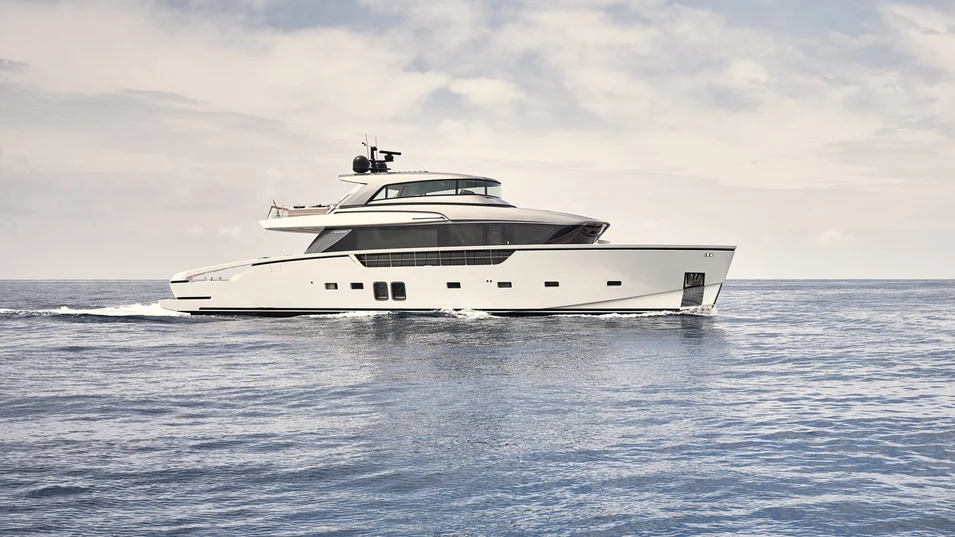
For the upcoming season in Europe, we have a Sanlorenzo SX88 and a Sanlorenzo SX76, which is the newest model on the market and is very attractively priced. A new Sunseeker Manhattan 56 is also in stock. But the season has already started and we are in the process of negotiation with a few potential clients, so the situation is changing fast and it is best to check if the offers are still relevant.
Should we expect any significant changes for the industry in the near future?
Yachting is a fairly conservative industry that evolves gradually. There are individual visionaries like Massimo Perotti, who is exploring methanol, seeking new paths and unconventional approaches, but one probably shouldn't expect any significant changes to occur this year. To reiterate, yachting prefers an evolutionary path.
Related articles:
Part two of the interview with Andrey Lomakin "How have yacht buyers and their preferences changed?"
You have successfully subscribed to our newsletter