How have yacht buyers and their preferences changed?
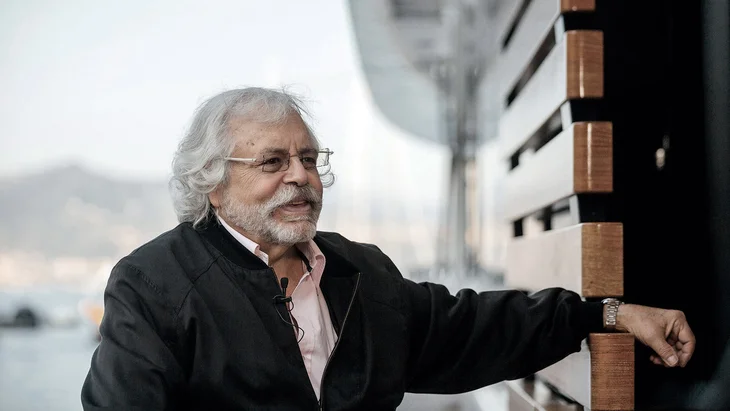
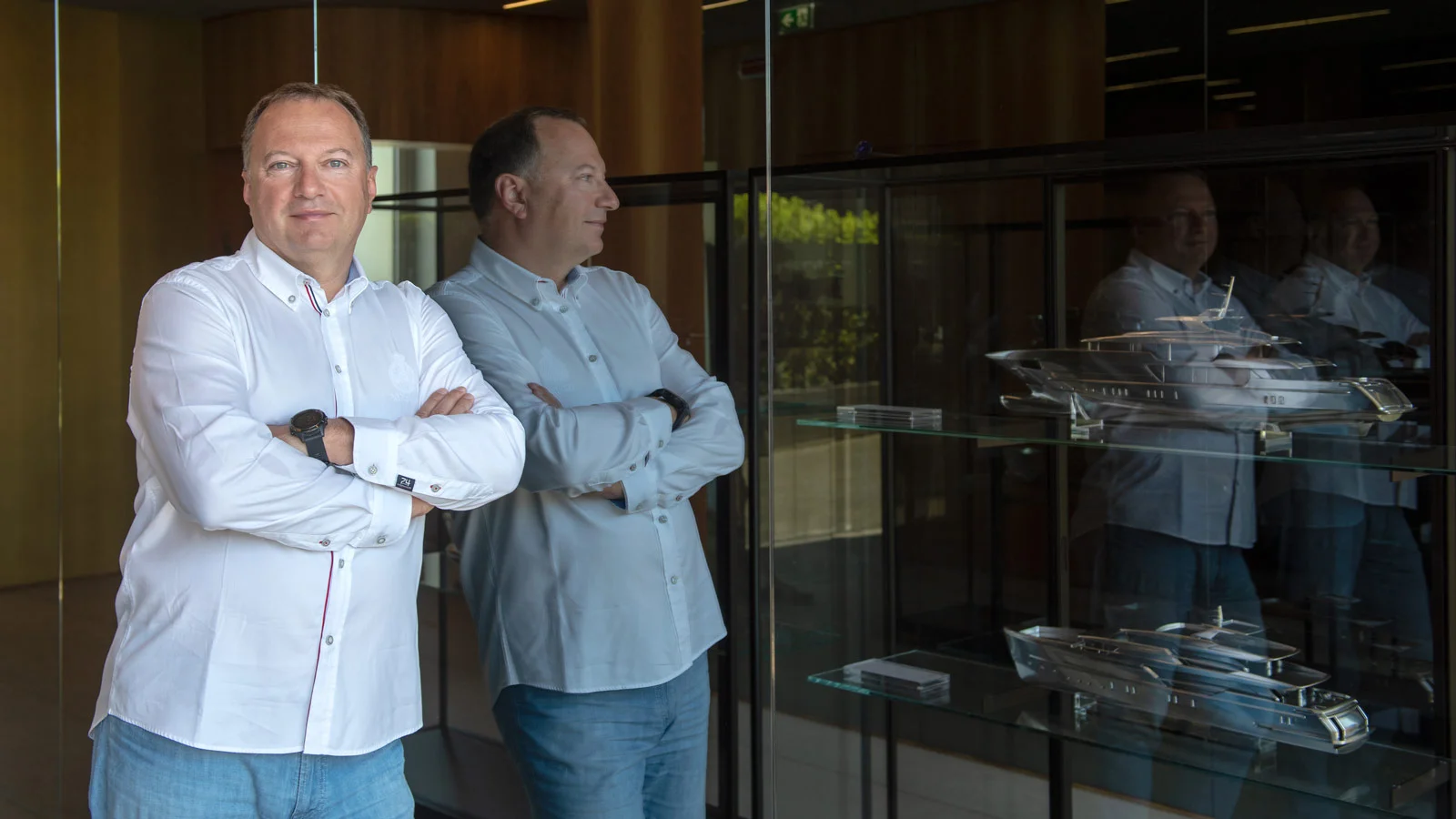
How are yacht buyer preferences and demographics changing? What technologies are shaping the future of the industry? What are shipyards doing to attract new clients? Andrey Lomakin has kindly shared his views on these and other issues in a conversation with ilodka.com
While in the first part of the interview with Andrey Lomakin we covered the current state of the European yachting market and the impact of sanctions on Russian-speaking clients, the second part focuses on the key drivers of change, current trends and developments.
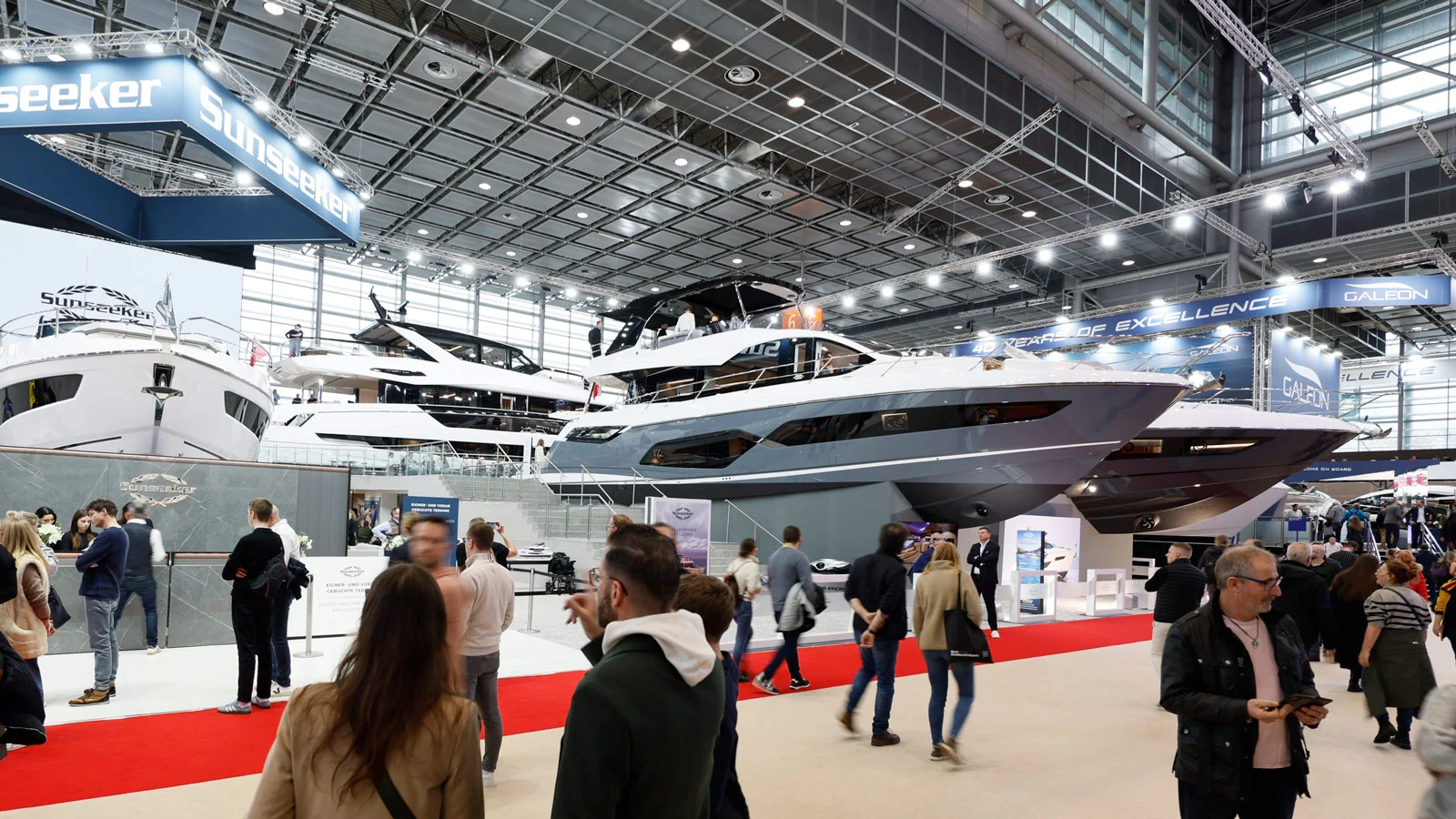
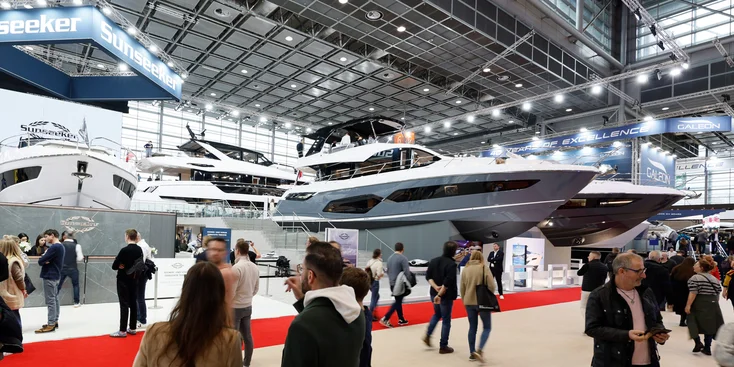
The boot Düsseldorf exhibition has always played a pivotal role in shaping the season. Have you noticed anything special this year?
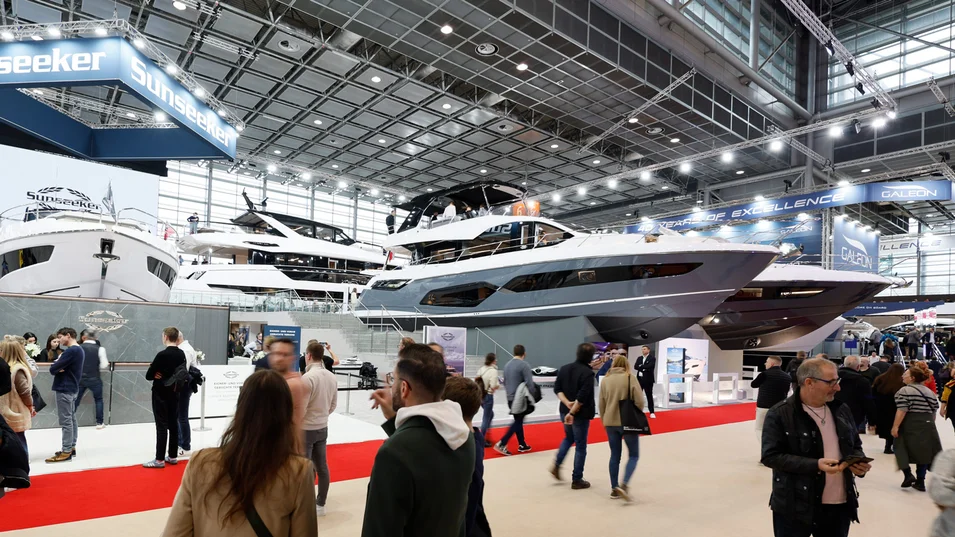
As always, all the halls in Düsseldorf were packed, drawing a huge number of visitors and clients. Sunseeker presented itself in a very interesting way, and there were impressive Bluegame, Sanlorenzo, Azimut, Ferretti Group and Prestige Yachts stands. One can say that all the usual key players were present, and I didn't notice any significant difference compared to the previous years. While the Russian-speaking audience was smaller than usual due to visa issues and other factors, there was a surprisingly large number of visitors from the Baltic states. I’d say it was probably the biggest surge in the last 20 years.
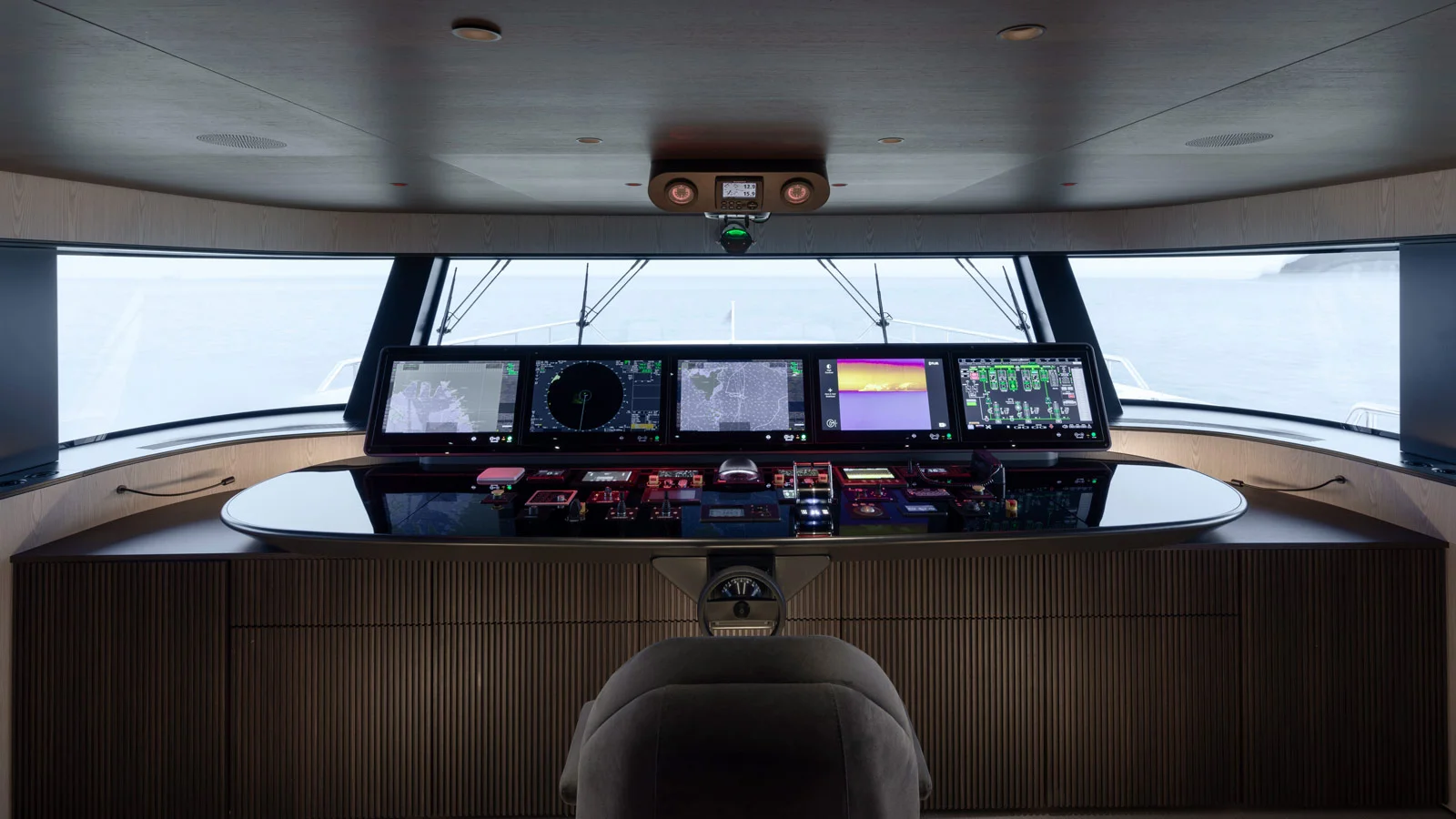
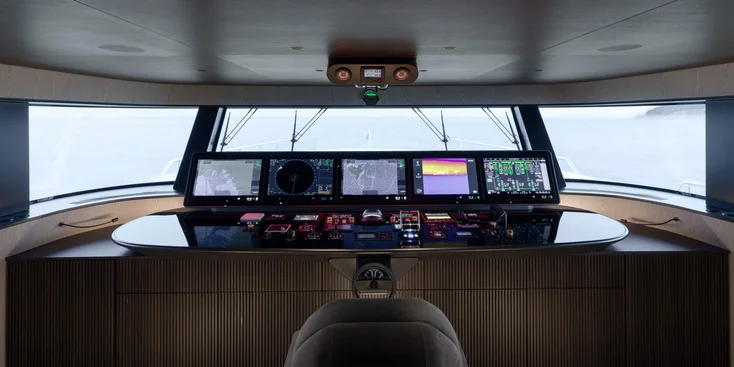
The exhibition showcased automated mooring systems and remote control via smartphone. Do you think automation will kill all the romance of handling a yacht?
True captains and sailors aren't keen on all this phone-based automation. It’s risky. People can still remember the incident involving a wireless engine and thruster controller, where something went wrong and the yacht smashed into the lock gate. The sea prefers a simple on/off switch to all these bells and whistles.
Sanlorenzo has bought Nautor Swan, Ferretti is snapping up brands, too. Can only large groups survive these days?
Look at the car industry, which the yachting sector always trails by about 25 years, and you’ll see the same story. The Volkswagen Group comprises 20 brands. Toyota, Peugeot and Fiat are all groups that evolved into large conglomerates in their drive to optimize R&D, marketing, market segmentation, production strategy and more. Today, every shipyard wants to offer customers the widest possible range of products to keep them within the group. At one point, the Ferretti Group included around 10 brands. Some have left, but there are still seven brands today. Sanlorenzo covers everything from small boats to superyachts, and now there are also sailing yachts.
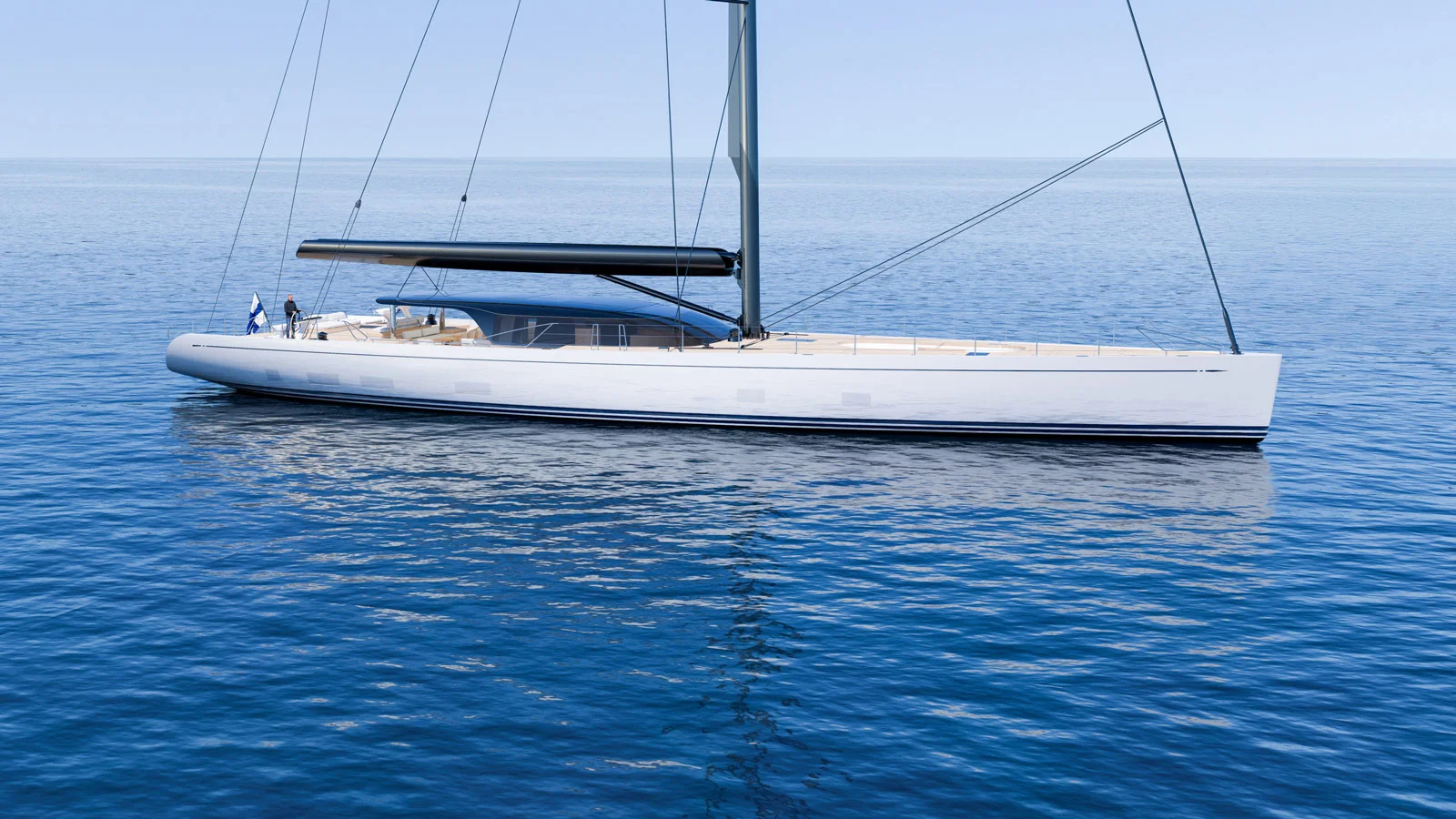
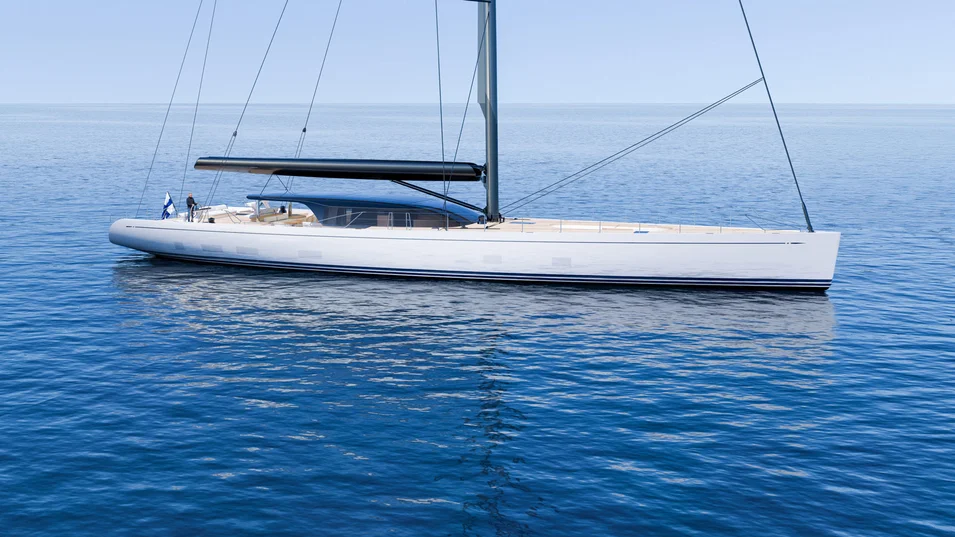
Nautor Swan makes sailing yachts of exceptional quality. However, financially, the shipyard was not particularly efficient. Massimo Perotti of Sanlorenzo is a man who knows how to generate profit. This skill is further demonstrated by the appointment of Gianguido Girotti from Groupe Beneteau, which is a fantastic acquisition. Furthermore, Nautor Swan is currently building a 44-meter yacht with an aluminum hull – something the shipyard had never done before. I believe this marks a new era for the Finnish shipbuilder, which is very unlikely to have begun were it not for its integration into the Sanlorenzo Group.
Is the fact that shipyards are launching their own captain training schools, as well as charter, brokerage and refit divisions also an attempt to retain the client?
Refit is rather a profitable business for any shipyard. Charter divisions are established to retain clients and capture them at an early stage, when they are just trying their hand at yachting. Cultivating brand-loyal captains and crews serves a dual purpose: on the one hand, it is a sales strategy, and on the other, it’s a system for client care. All of it, undoubtedly, represents a strategic decision.
For a long time, the average age of yacht owners was around 50, but it looks like these days they have become much younger, haven’t they?
Of course, the yacht owner is getting younger. At the beginning of the century, the average age of a yacht buyer was 60 to 70, and people would work their whole lives, buy the yacht of their dreams and set off to see the world. Today, there are 25-27-year-old yacht buyers. There are successful entrepreneurs, crypto traders and IT industry players in this age group. Statistics and my own observations show that while twenty years ago there were almost no business owners under 40, today we can sometimes see clients under 30, and buyers in their thirties have become quite commonplace. Last year, we delivered an 88-foot yacht to a 37-year-old client, and recently we delivered a 62-meter yacht to an owner in his early thirties. There are a lot of clients like this now, so the yacht market has certainly got a lot younger.
A yacht has always been a status symbol – large, luxurious, featuring marble and gold. Have the clients’ demands changed?
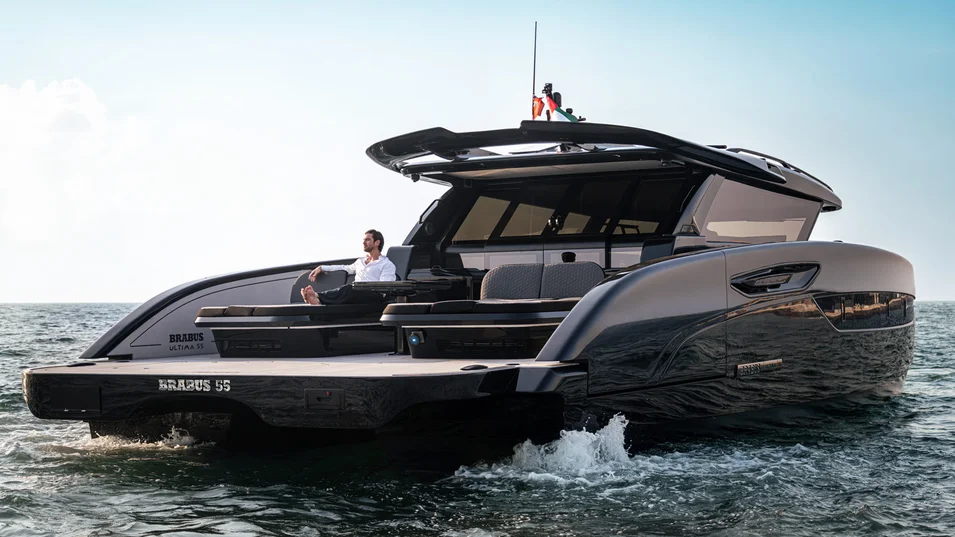
There have always been palaces. Russian-speaking owners, clients from Arab countries and some Americans used to build luxurious yachts. There are still such requests there, but they have become noticeably less frequent. I believe this is because far more yachts are being built for personal enjoyment today rather than for showing off. People prioritize comfort, quiet, air-conditioning quality, noise level and ergonomics. The very act of buying a yacht already signals that one has achieved a certain level of success. It is hard to impress anyone just by a Lalique vase, a sculpture or using ultra-expensive marble. However, well-thought-out design, individuality, carefully chosen colour schemes and entertainment systems – these are the things thar are in demand today. We built a boat for a client who invested over €1.5 million in upgrading the audio system. The yacht’s standard system was very good, but it was crucial to him to make the sound quality exceptional throughout the entire vessel.
As for yacht sizes and types, are preferences shifting in one direction or another?
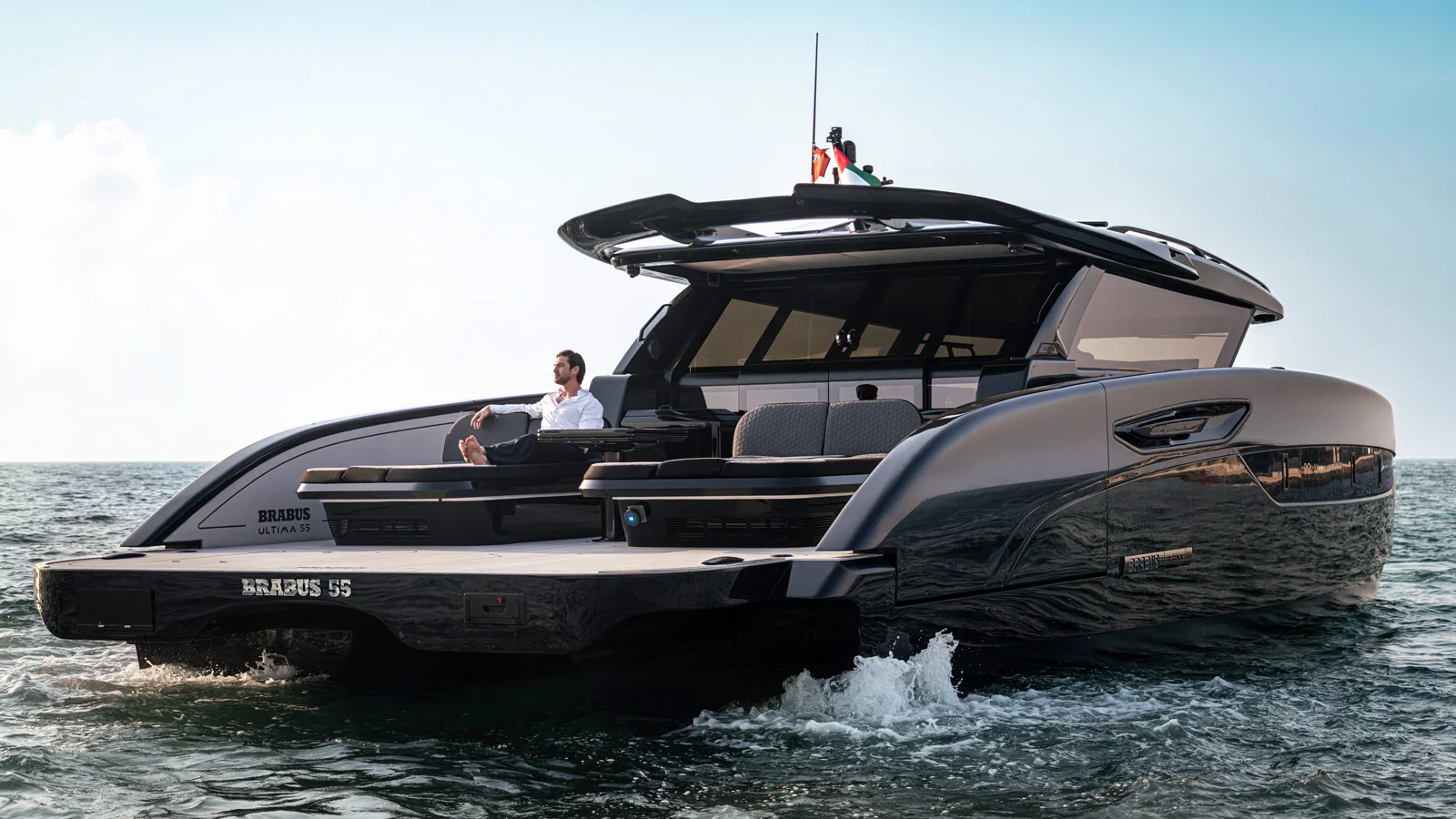
I would say there is a clear trend towards lower speeds. It has become difficult to sell Mangusta or Pershing yachts, as they are designed specifically for speed. Today, greater value is placed on comfort, fuel efficiency and spacious lounge areas for guests. The yachting world is moving in that direction.
For several years now, designers have been actively blurring the boundaries between exterior and interior spaces. Do you think it’s a fleeting trend or an enduring one?
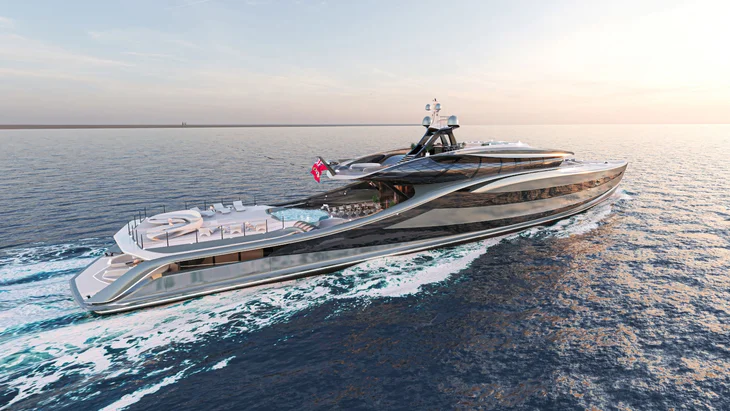
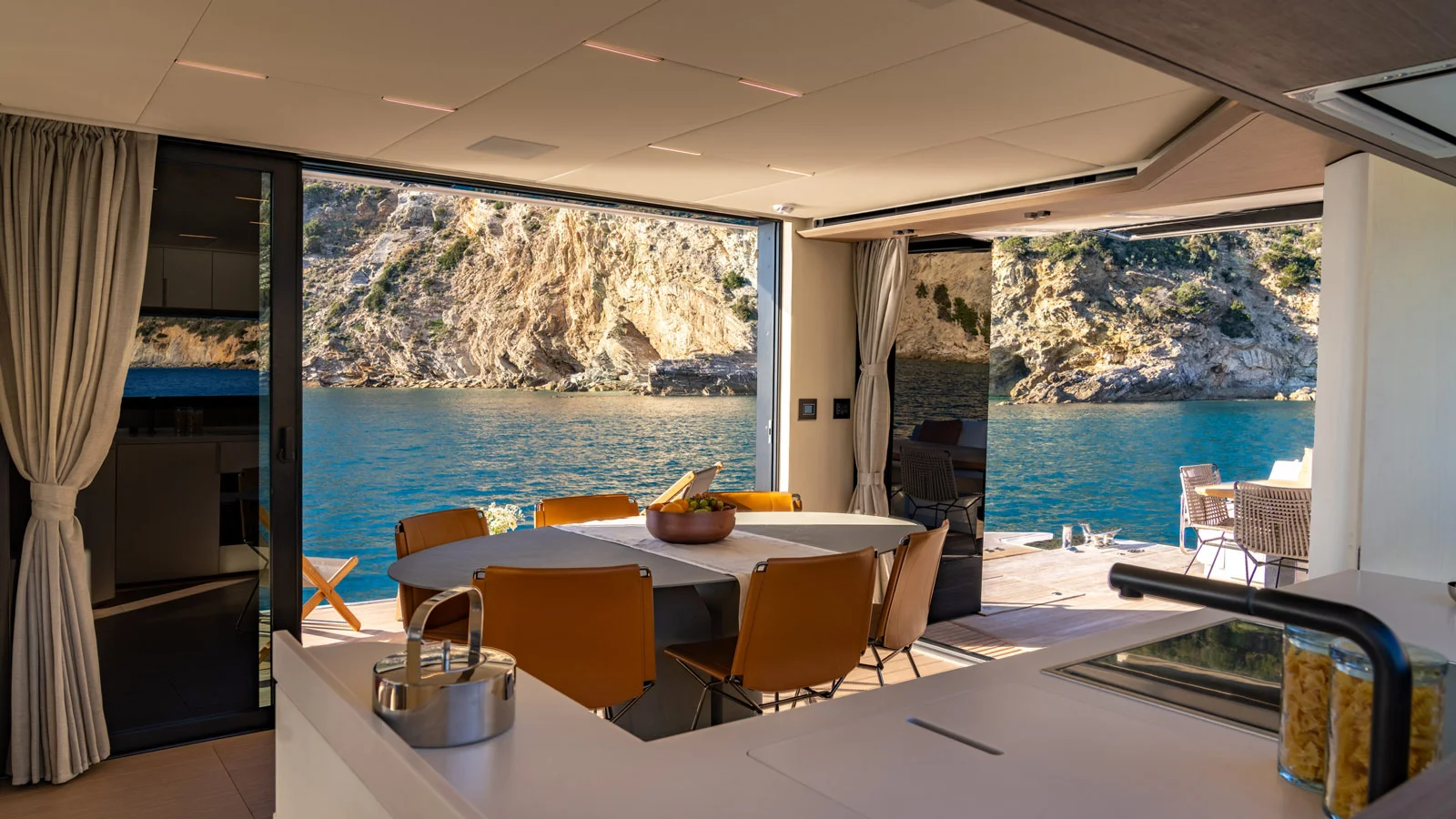
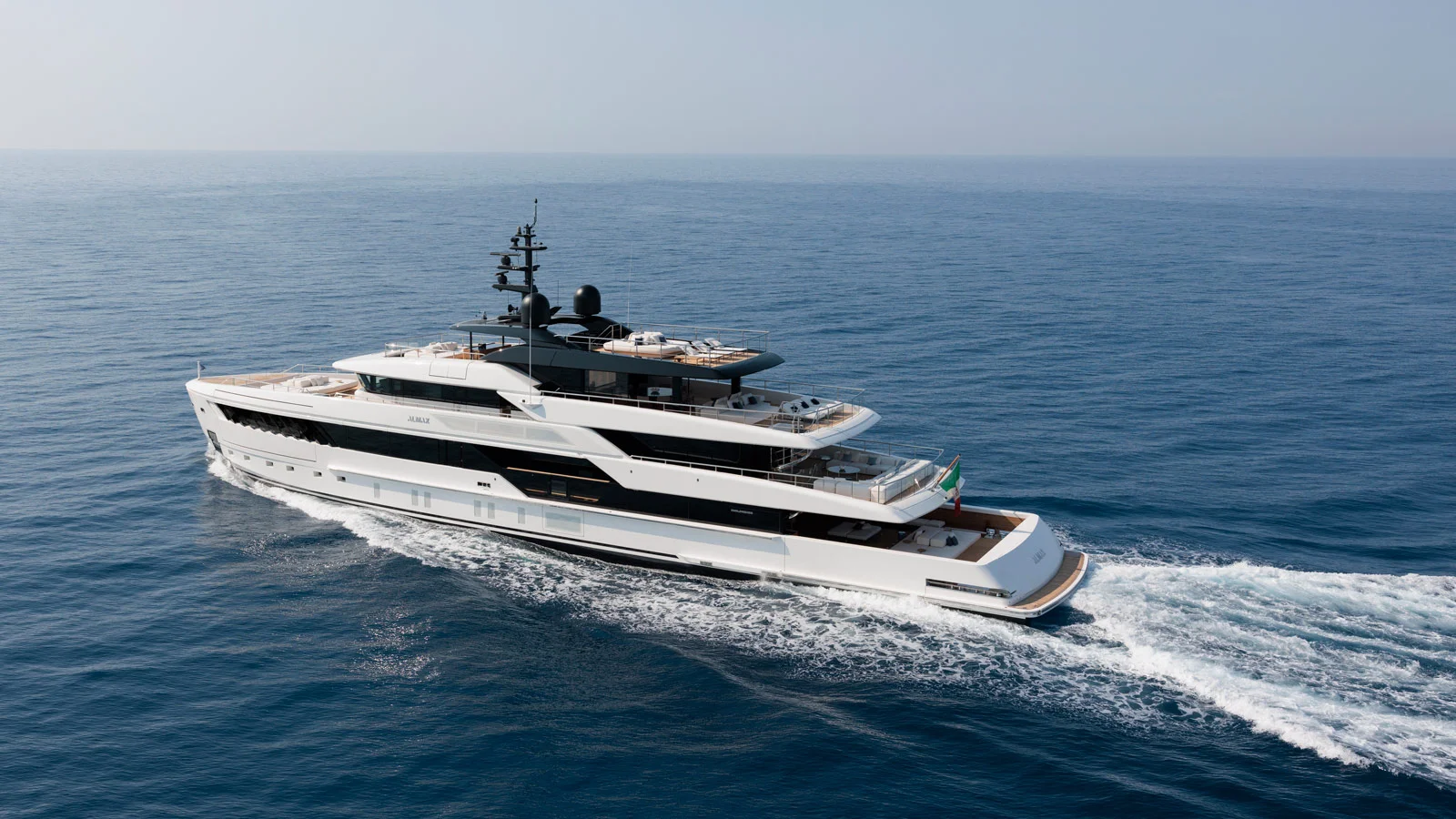
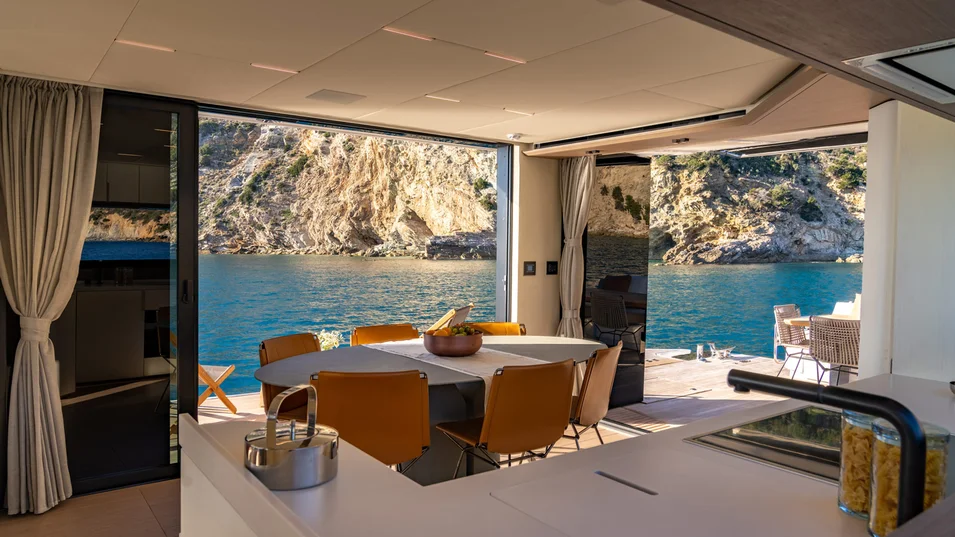
There is an explanation for this. While people used to want to build grand floating palaces, now there is a desire to be as close to the water as possible. Benetti, for instance, has the B.Now project, which features a massive aft lounge area spanning over a hundred square meters. The concept behind the Bluegame shipyard – specifically the SX series – and Sanlorenzo’s 50Steel model also focuses on a large, open space right by the water. People seek comfort, tranquility and distinct zones that allow guests to pursue their own interests without disturbing one another, such as women sunbathing in the beach club, men chatting in the shade or enjoying water toys, and children watching TV or playing video games. That is precisely why the number of spaces on board, particularly exterior ones, continues to grow. And the situation is unlikely to change in the nearest time.
Today, a lot of small yachts can boast features, space and levels of comfort previously found only on superyachts. Does this mean that demand will shift towards smaller vessels?
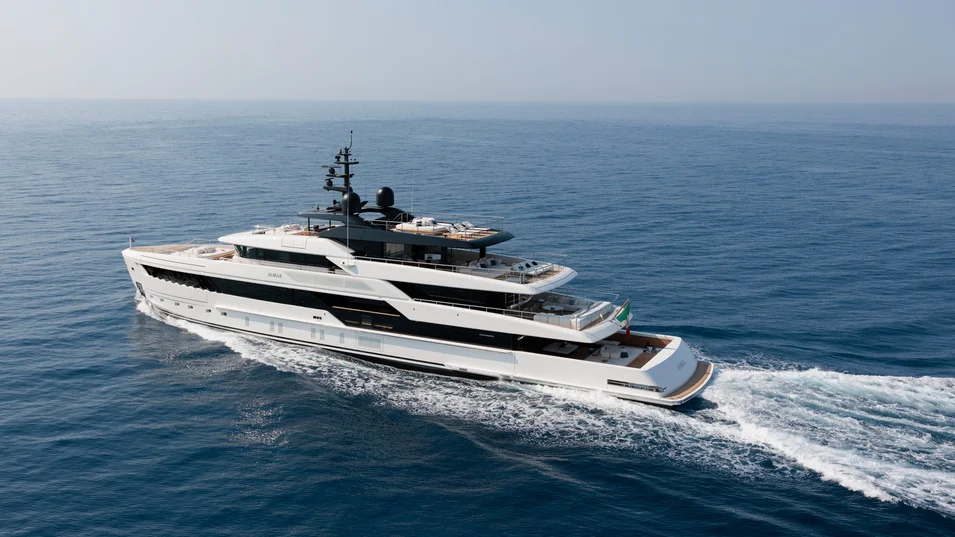
These trends are driven primarily by the fact that when crossing the 200, 300 and 500 GT thresholds, there is a significant leap in terms of running costs, safety requirements and other factors. As a result, there is a vast number of 40-50-meter yachts built today that hit the 500 GT ceiling and can increase in size only through exterior areas, which are not factored into the internal volume calculations. Shipyards capitalize on this approach successfully while remaining within regulatory limits. In fact, they exceed this threshold but leave interior spaces open on one or two sides to have them excluded from the calculation. For instance, the Sanlorenzo 52Steel measures around 630 GT (although listed as 499 GT), and Bering Yachts launched a 46-meter vessel of 650 GT, with 151 GT excluded from the total. Creating outdoor living areas and incorporating "wet" zones is a distinct trend within the framework of current regulations.
As for yachts under 24 meters in registered length, which in reality can measure 26 or even 29 meters, there are certification and classification issues, too. A particularly interesting solution can be found on the Sanlorenzo SX88, whose flybridge incorporates an enclosed space – a large saloon – that is excluded from the official measurements due to its design characteristics. Yet, the yacht remains below the 200 GT threshold. Shipyards today are expanding within the framework of existing regulations, standards and limits for specific tonnage and length categories, and this approach clearly resonates with clients.
Is there no more race for the “mostest” and largest yacht anymore?
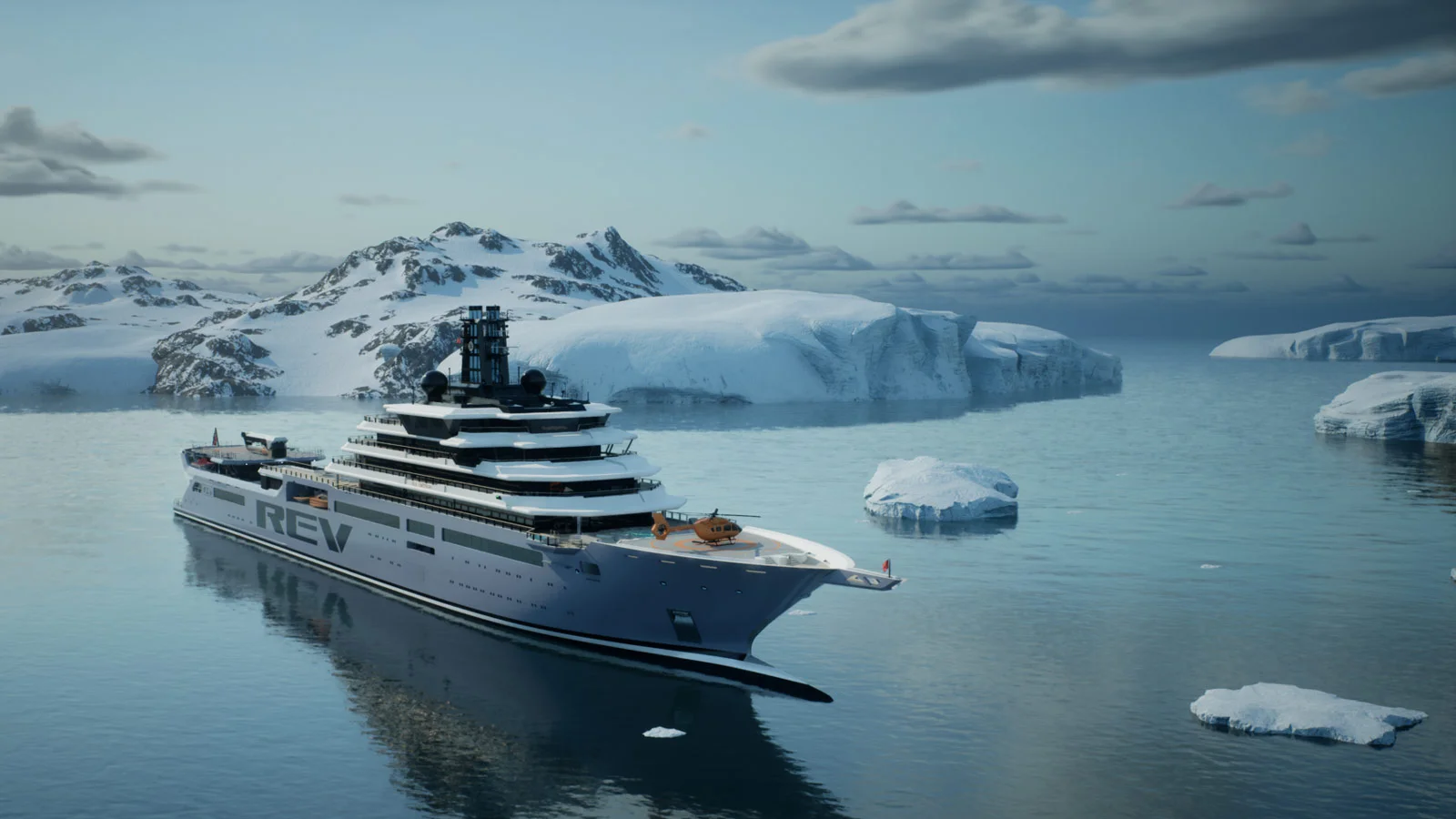
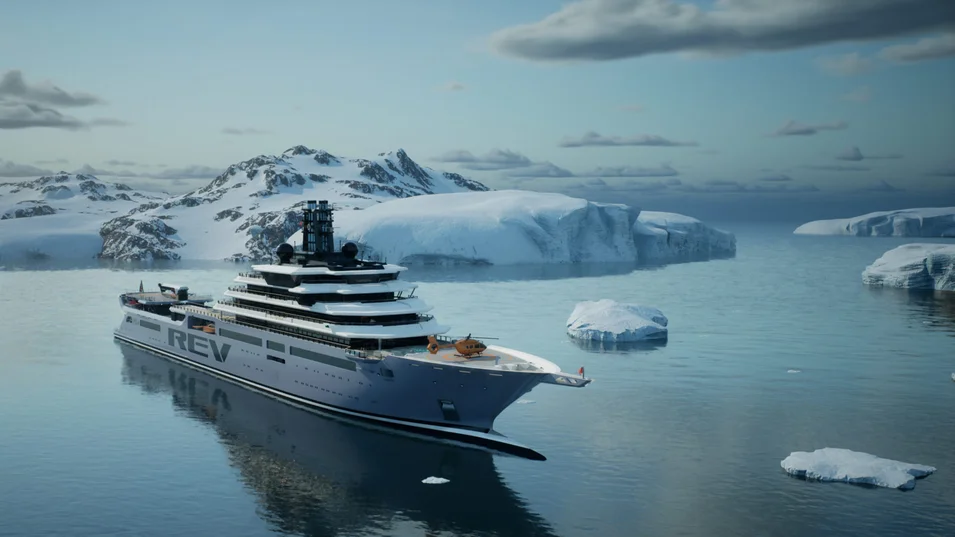
Everything has its limits and physical dimensions. Today, the largest yacht measures just over 180 meters in length, and her construction was driven largely by the desire to secure the number-one spot for the long haul and surpass Roman Abramovich’s 164-meter yacht. While such vessels are certainly capable of moving, finding suitable marinas and bays for them is extremely difficult, and no one wants to dock in commercial cargo ports. Therefore, the 200-meter mark is unlikely to be crossed, and there are few people today interested in such vessels. It is worth remembering that at the end of the last century, the largest yacht was the 95-meter Al Mirqab (now H3), whereas today, more than 70 yachts over 100 meters in length have already been built. At the same time, one must understand that an internal volume of over 10,000 GT is vast for a private owner, even taking into account the number of guests that can be accommodated. There are new records on the horizon now: work on the 195-meter superyacht REV Ocean is nearing completion, but this private vessel was originally conceived for scientific and research purposes, rather than merely for leisure. I believe the focus will shift in that direction.
Hybrid, hydrogen, methanol propulsion systems – is there a possibility that internal combustion engines will get outlawed in the next 10-15 years?
I don’t think so. If you look at the high-end automotive sector, Bentley and Ferrari are working on electric motors development, yet vast numbers of petrol-powered vehicles are still being sold. We have experience building a Benetti 67M superyacht with a hybrid propulsion system. The choice was driven entirely by the owner’s desire to enter protected nature reserves, the number of which keeps growing. The owner installs a specific battery setup, allowing the yacht to enter a bay at a speed of around 7 knots with zero emissions, drop anchor and spend the evening or night without running the generators. Or they can even run the generator, since its exhaust pipes are routed upwards rather than into the water, and it is equipped with an advanced exhaust purification system. I tend to think that this is the direction things will take, and as for diesel engines being outlawed – that is unlikely to happen anytime soon.
And what about Massimo Perotti that you have mentioned and his methanol-powered yacht?
Massimo Perotti built himself a Sanlorenzo 50Steel yacht capable of running her entire hotel load (all the onboard utility systems) on methanol. It is a brilliant concept, yet he faced a rather mundane problem: after sailing to Greece, he was unable to source methanol. In short, the idea is currently stymied by a complete lack of infrastructure outside Italy or France, let alone Africa or other more remote regions. There is a decline in demand for hybrid propulsion systems that became wildly popular a few years ago. The hype around them has largely subsided, and only 2-5% of enthusiasts now order hybrid yachts. While the absence of exhaust emissions and the ability to spend the night without running generators are certainly appealing features, technologies have already been developed that make it possible to eliminate noise, vibration and exhaust emissions entirely. I believe this is the direction that will see active development.
Have the centers of gravity of the yachting industry shifted in recent years?
Not really. People have always gone on long-distance voyages – perhaps a bit more so now, but the vast majority of clients still prefer the western Mediterranean. Others head to Greece, Montenegro, Croatia and Turkey. Yes, there is also Asia and Florida, but the main hubs remain the same.
What is going on with yacht prices – are they rising or falling? Is it a good idea to buy a new yacht in Europe in 2026, or is it better to wait?
The coronavirus led to rapid inflation, and prices have gone up. The highly popular Sanlorenzo 52Steel model that we used to contract at up to €30 million, today costs over €35 million. However, it is worth noting that the final price often depends on the owner. For instance, our clients order a vast number of finishes and options that add 10-20% to the price, even though the market average is typically in the 5–7% range.
Related articles
First part of the interview with Andrey Lomakin "How has the yacht market changed in Europe and in Russia?"
You have successfully subscribed to our newsletter