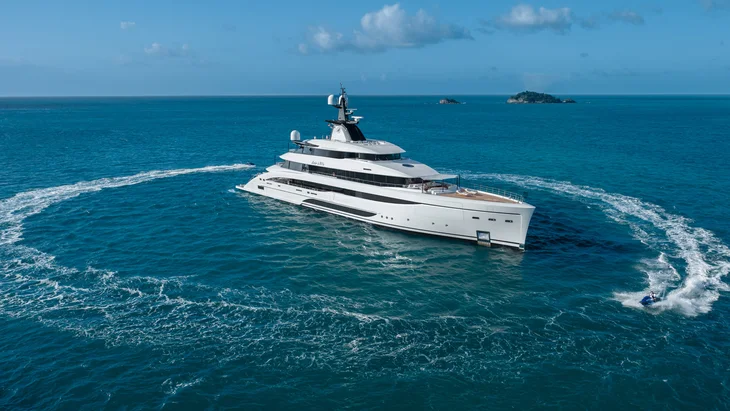
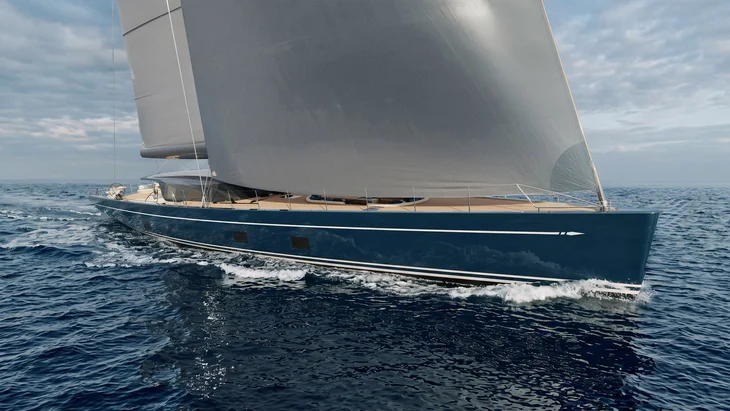
"Slow cruising" has been announced as one of the topics for public discussion at the Cannes Yachting Festival 2026. What is "slow cruising" and what can the industry offer in this regard?
A bit of history
To begin with, let’s remember where this concept actually originated. It all started with "slow food", or rather, as a protest against fast food. When a fast-food outlet opened near the famous Spanish Steps in the heart of Rome in 1986, local gourmets found it offensive. After all, for Italians, a meal is far more than just eating. It is about preserving family recipes, respecting seasonal ingredients, cooking together and, of course, getting together with your loved ones for a talk and a laugh. In short, it is about sharing both the pleasure of savouring the taste of food and the joy of life itself.

Food journalist Carlo Petrini called for a boycott of chain eateries. He found so many like-minded people that a local initiative soon evolved into an international movement. In 1989, delegates from 15 countries signed the founding manifesto of Slow Food in Paris. Its supporters believe that true culture begins at a dining table, so in contrast to the impersonal fast-food industry that compels people to eat on the go, they stick to traditional dining customs, promote local recipes and support the production of high-quality agricultural goods using methods that are safe for human health and do not harm the environment.
With time, the idea of avoiding haste while eating has evolved into a conscious decision to slow down life as a whole – a response to the endless race for success imposed by modern society. This broader "slow life" concept advocates a shift in priorities: rather than pursuing externally imposed goals or trying to do everything at once, it encourages focusing on what truly matters and on personal experiences, fully living in the present moment and finding pleasure in the process itself. This is by no means laziness or hedonism, according to which pleasure is the meaning of life, but rather, a form of optimization: by striking a sensible balance between things to do and time to rest, taking breaks to relax, a person gains peace of mind, preserves their mental and physical health and, as a result, leads a more fulfilling life and works more productively.

Slow tourism
The "slow travel" concept emerged as a logical evolution of this idea. This travel philosophy, which prioritizes the depth of the experience over the pace of movement or the number of sights visited, started gaining popularity in the 2000s. In many ways, it was a reaction against mass and package tourism, where travellers would return from exhausting, whirlwind itineraries feeling even more tired than they had been before the trip.
A renewed surge of interest in "slow travel" was sparked by the COVID-19 lockdowns in the early 2020s. Global lockdowns prompted many people to rethink their attitude to life. Non-stop work and study via Zoom led to virtual-world fatigue and taught people to value genuine human interaction. After long months spent at home, people wanted to spend more time in nature. Restrictions and closed borders taught travellers to plan their trips more mindfully: instead of rushing through multiple countries or cities, they opted for and explored one destination that was most appealing to them.

Slow travel is not a passive pastime. It encourages slowing down, allowing oneself to linger in places that you like and to plan an itinerary flexibly based on your mood rather than a rigid schedule. Instead of following a standard "must-see" list of sights, a traveller might spend a few days in a specific neighborhood of a large city, a mountain village or a farm. Getting soaked in in the local culture while renting a house rather than staying at a chain hotel, shopping for groceries at the local market, going to "non-touristy" cafes, talking to local residents, strolling around and joining in local festivities, becomes a profound personal experience that leaves indelible impressions. It is the taste of regional cuisine, the architecture and the very atmosphere of the place that remain etched in your memory forever, not just hastily snapped photographs.
Now at sea
No wonder the trend towards more mindful vacations has extended to sea voyages as well. Demand for this type of travel is evident everywhere: from mass tourism with its massive cruise liners to private yachting, where individuals use their own or chartered vessels and can be flexible and tailor their itineraries to their interests.
In the first case, cruise lines are responding to this demand by adjusting both their tour formats and their fleet. Apart from multi-deck floating hotels, discerning clients are now offered smaller, cosier vessels like expedition vessels or even sailing yachts, capable of entering small harbors and quiet, hard-to-reach waters. Port stays get extended, and vessels remain in port until morning, giving passengers the chance to explore cities at a leisurely pace in the evening and at night.

Vessels travel at lower speeds of 8–12 knots, allowing passengers to enjoy the beauty and quiet of seascapes, while also saving fuel. The reduction in fuel consumption and carbon dioxide emissions makes "slow cruising" even more appealing to environmentally conscious travellers.
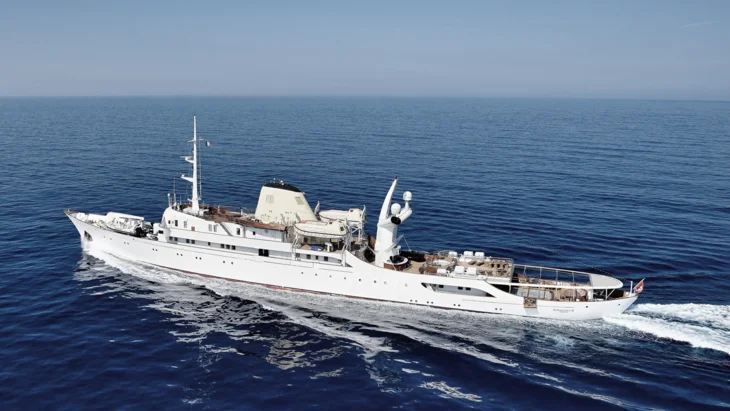
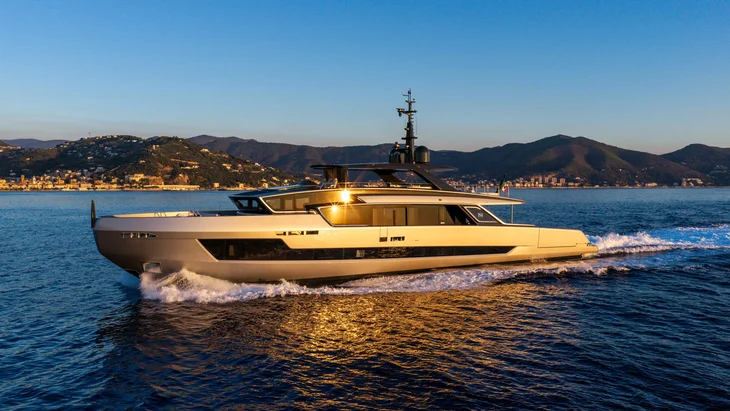
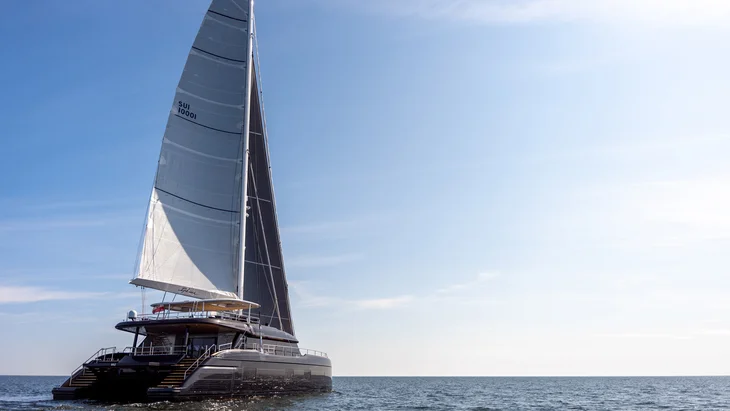
As for private yachting, according to the data from the organisers of the Cannes Yachting Festival, "slow cruising" acts as a stimulus for the industry transformation: due to the environmental transition and the search for authenticity and new expectations, the need for speed is gradually giving way to a more moderate pace, mindfulness and quality of impressions.
According to the statistics presented by the Fédération des Industries Nautiques, 72% of sailors surveyed said they wanted to slow down their cruising pace, 65% wanted to reduce their fuel consumption, and 58% expressed being bored with restricted itineraries.

Experts highlight the fact that apart from good intentions, slow cruising demands the right infrastructure. To allow sailors to choose coastal cruising and use the engine less frequently, there has to be a well-developed marina network, so that they could organize their stopovers according to the weather conditions and get all kinds of services they might need. In addition, this kind of network may help to better distribute flows and reduce pressure on environmentally sensitive anchorage areas.
Lastly, modern marinas with their well-equipped territories, restaurants, shopping centres and other social areas may act as “cultural gates” to coastal cities. By allowing the visitors to get to know their local traditions, cuisine, to interact with local residents, ports become key parts of the trip and not just transit points.
“Slow sailing meets a very specific need, that of returning to the slower pace of travelling by sea and putting more focus on the places visited. Both the boats and the networks of marinas and destinations attending this year show how travel and stopovers are a vital part of the nautical experience, serving cruising that is more responsible, local and aware of marine environments," says Constance Brément, Director of the Cannes Yachting Festival.
You have successfully subscribed to our newsletter