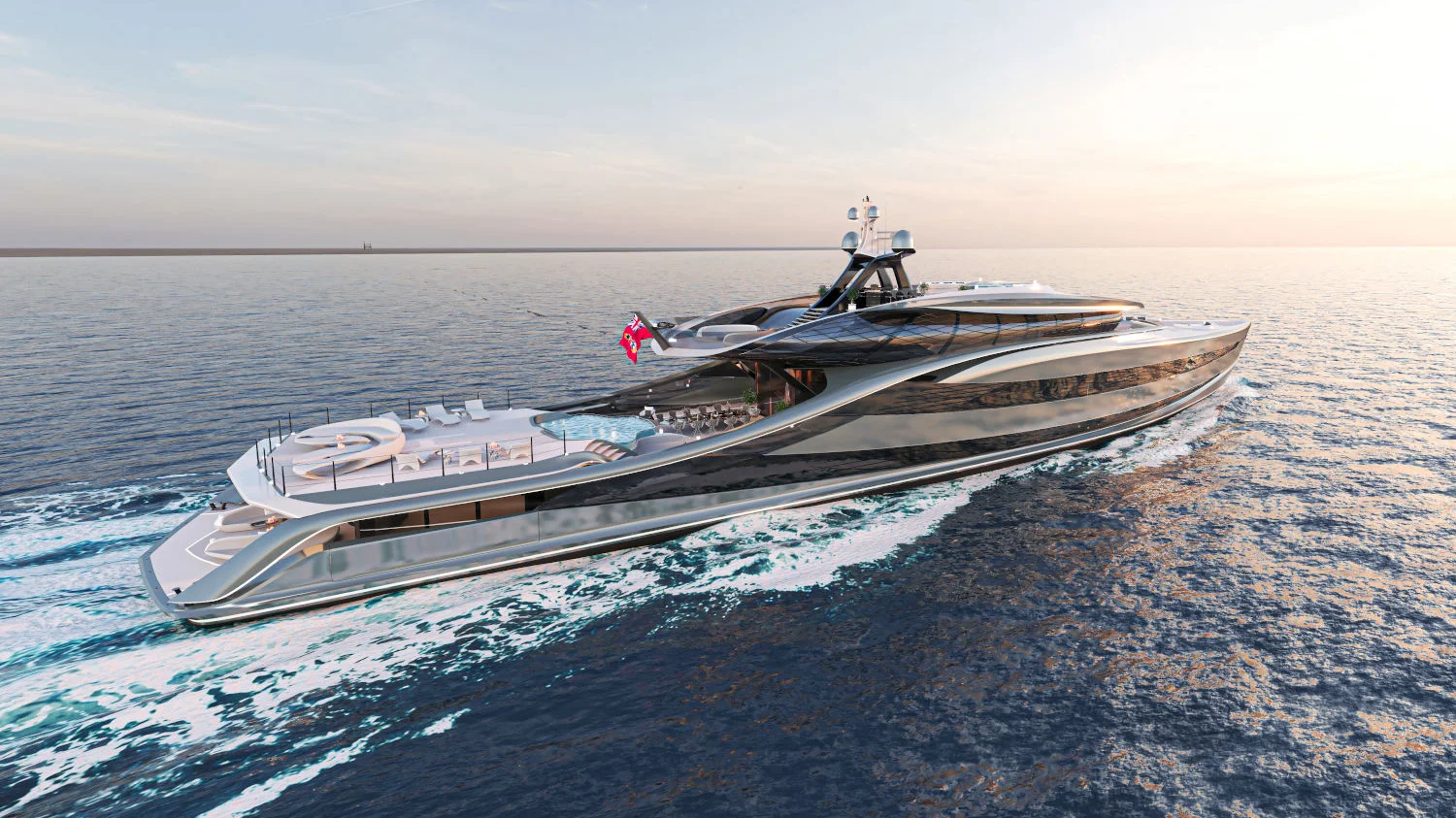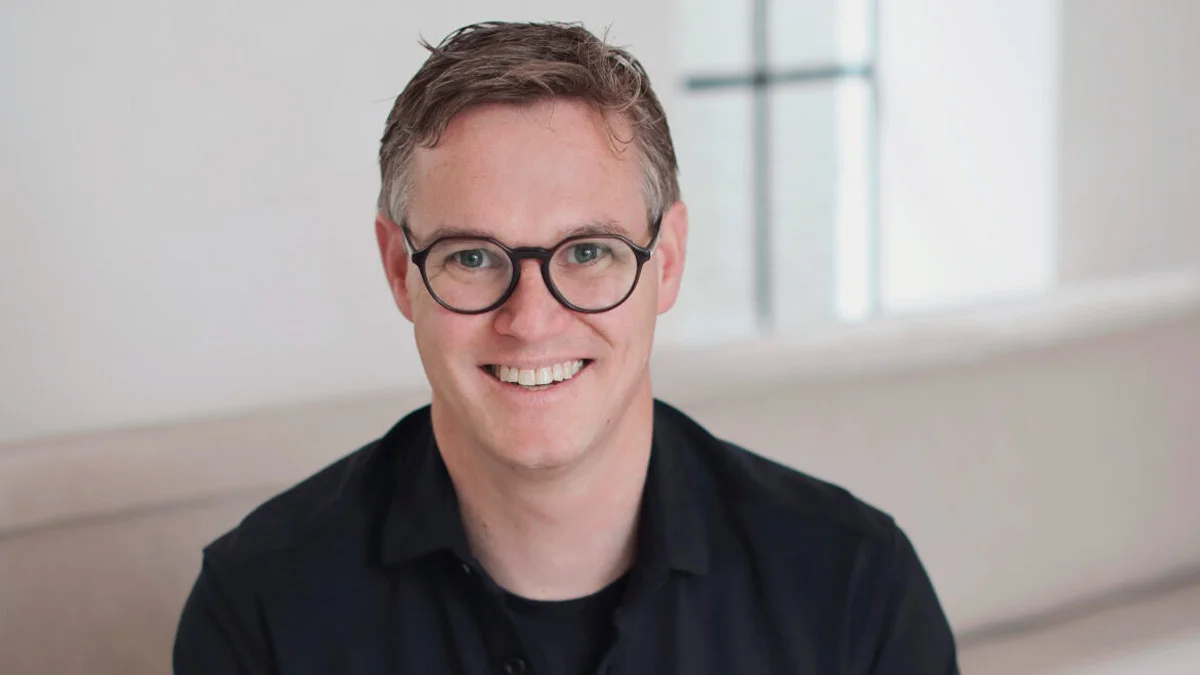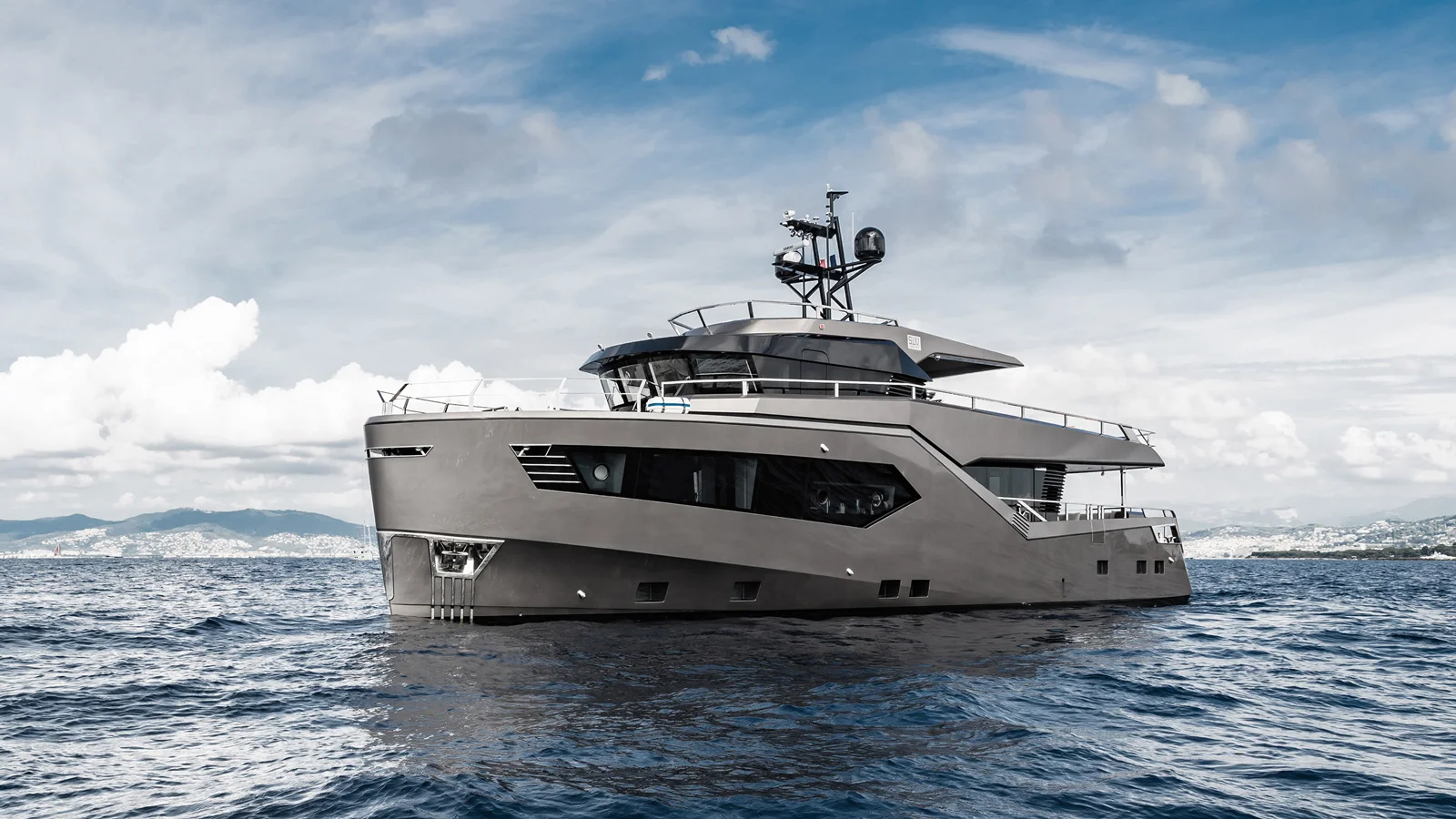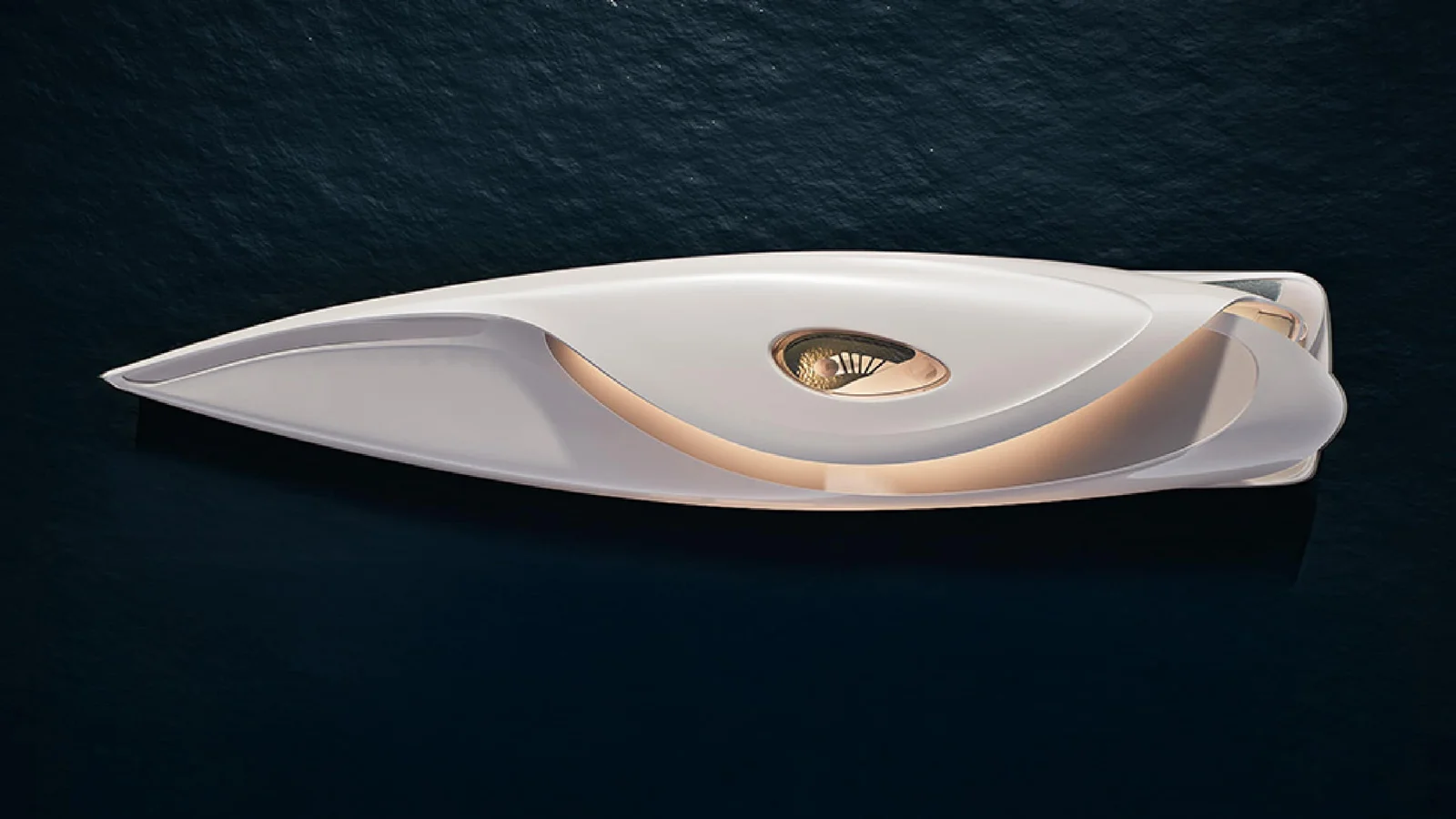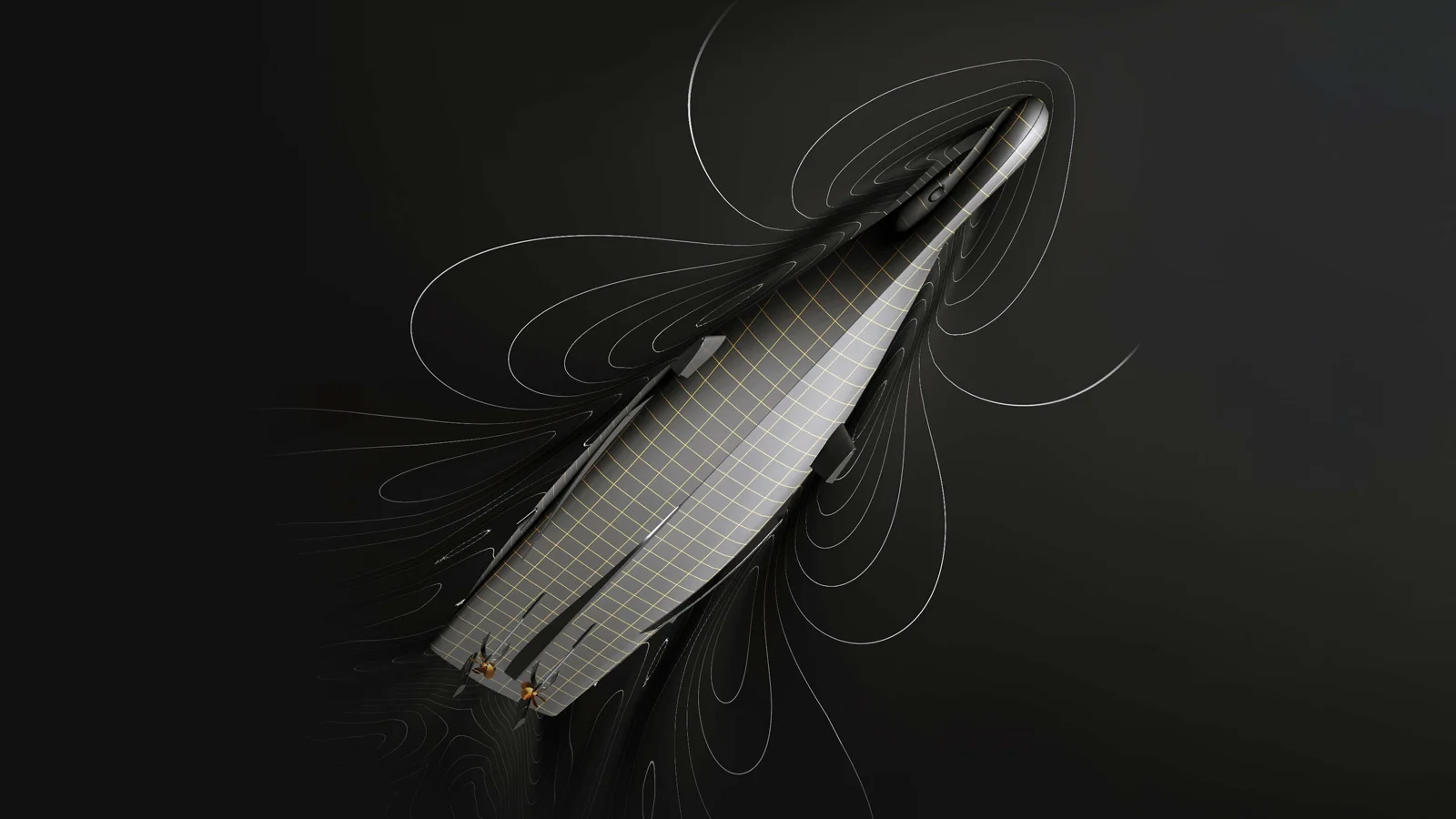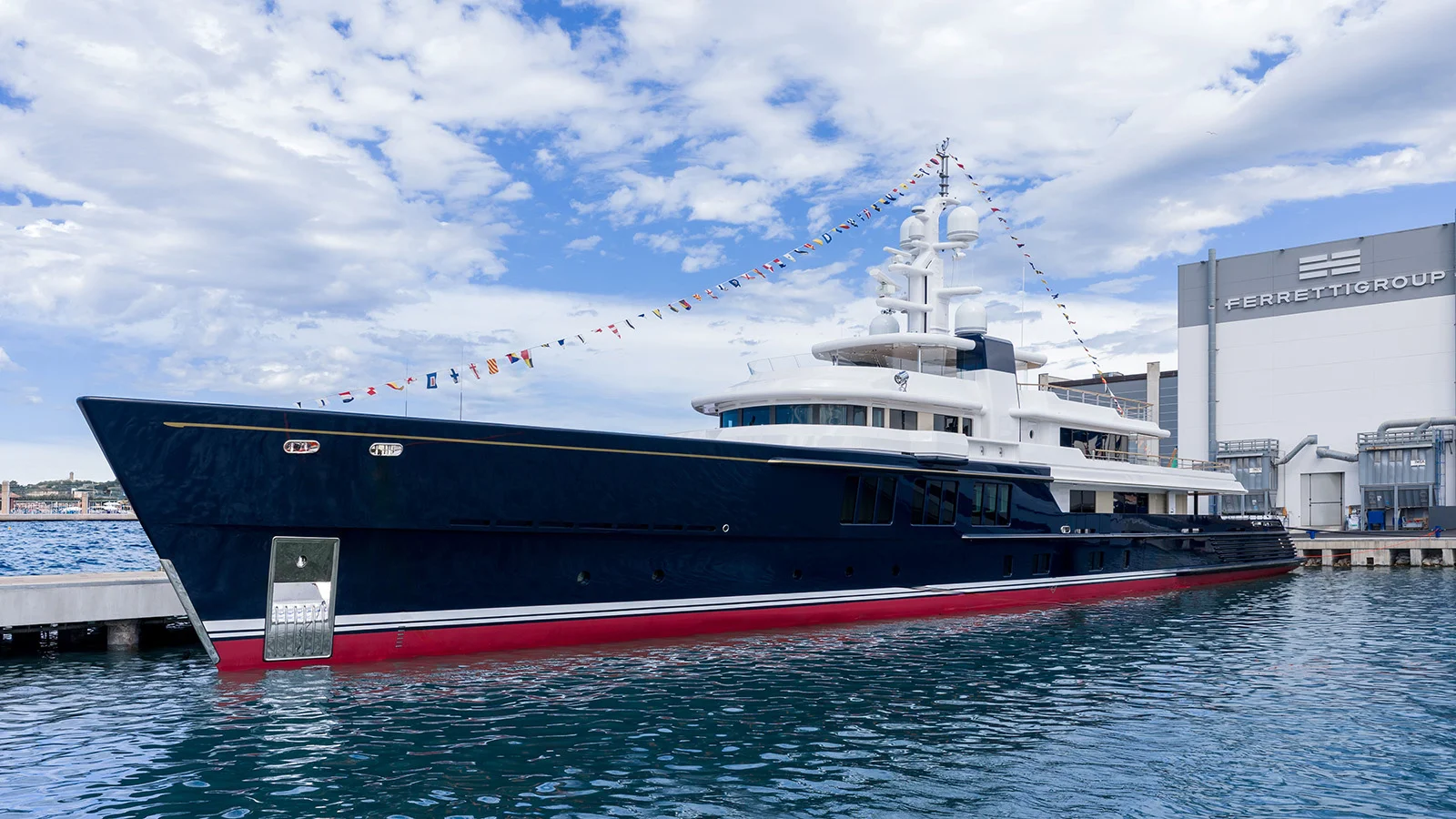
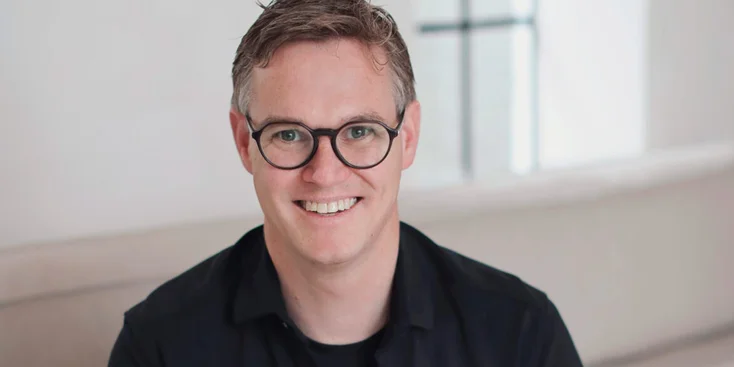
Electric propulsion, VR, artificial intelligence, 3D printing – Joost Mertens, senior designer and partner at Dutch naval architecture and design studio Vripack has shared his ideas on which of the aspects of the yachting future have already become reality and which are most likely to become relevant in the nearest future
The industry is undergoing one of the most dramatic shifts in decades: everything is changing, including the very idea of why a person needs a yacht. Vripack prefers to think of the future not as a fantasy, but as a result of consistent work. They even have a method of thinking of their own named VriThink, which is a kind of collaborative field research excursions carried out by the studio and referred to as “trend walks”. It’s neither marketing nor routine analytics, but part of the yacht design process.
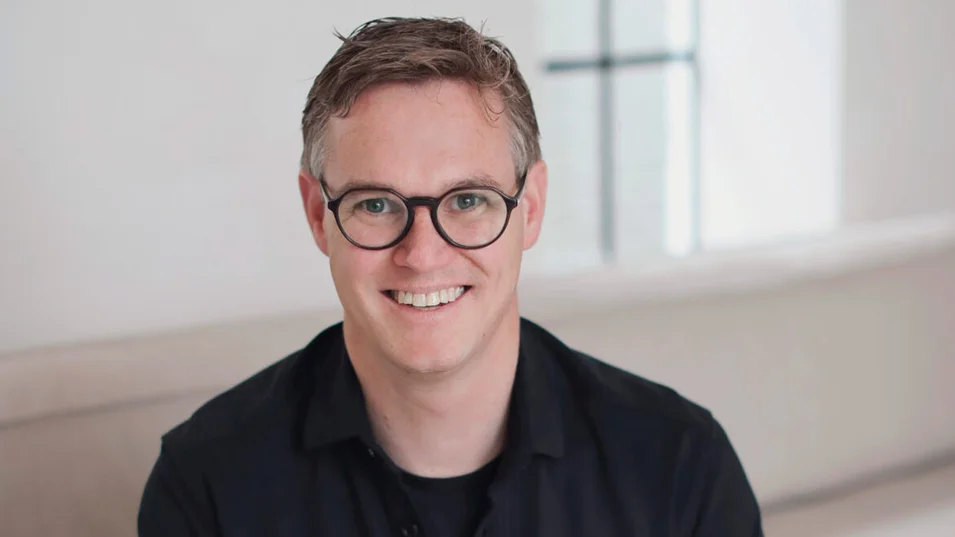
We talked to Joost Mertens a few years ago about the future of yacht design. Back then, they were all predictions without a clear timeline. Which of them have become reality?
Methodology of the future
The VriThink method still works. It’s a kind of frame through which the studio views the world. “Our mythology, human-centred design and design thinking are embedded in our workflow and how our team works and these mythologies help us to connect on a deeper level with our clients and to seek empathy with what they actually are saying”, Joost explains. “That takes time: time together, time to spend with clients and ask questions related to what they really want. Also, what they really want or what they really need is something else than their initial request. When digging deeper, we also stumble upon the reason behind what people actually want, and that's also related to what they've seen elsewhere. It can be in architecture, it can be in fashion, lifestyle-related, or in your car, or whatever your friend is buying, but it's always related to something which is developing outside in our world. People always find their inspiration to move from within”.
For this very reason Vripack continues its “trend walks”: exhibitions, cities, talks, keeping an eye on what influences ultra-high-net-worth individuals. Not the studio’s tastes, but what is it that excited the clients.
What is it that Joost can see today? There are two trends that are interrelated. The first one is that people want to experience freedom and privacy. Not loneliness, but recharging, off-grid, seeing new wildlife. Finding yourself in a situation where you are focused on what truly matters: family, restoration, taking an absolute distance from day-to-day life. That is why expedition vessels remain so popular.
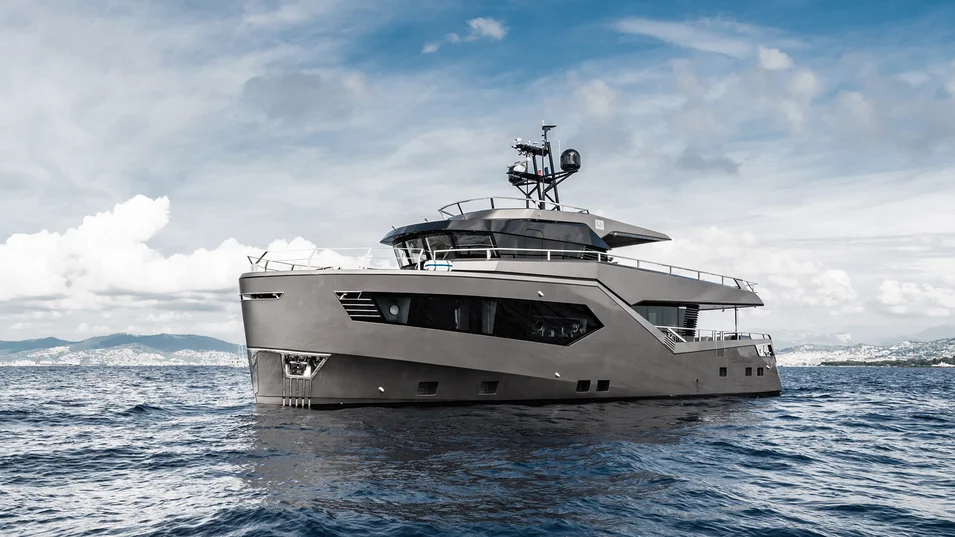
As Joost sees it, thanks to this direction there appears what he refers to as ‘consensus’, meaning deep understanding of who you are and where you are going. And that is where the second trend comes from: a movement towards sustainability.
“I don't see sustainability as a focus point per se. It's more something you do automatically by yourself because you improve your design. I think the trend will be more to consciously develop a project with materials or with solutions that make more sense to where we are, who we are today than we were six years ago”.
Electricity, hydrogen, methanol or diesel?
Back in 2020, Joost made some tentative remarks: clients’ interest in electric and hybrid propulsion is growing, but people are not ready to pay for them more than for traditional diesel. The forecast was cautiously optimistic: the industry was supposed to turn to new kinds of propulsion.
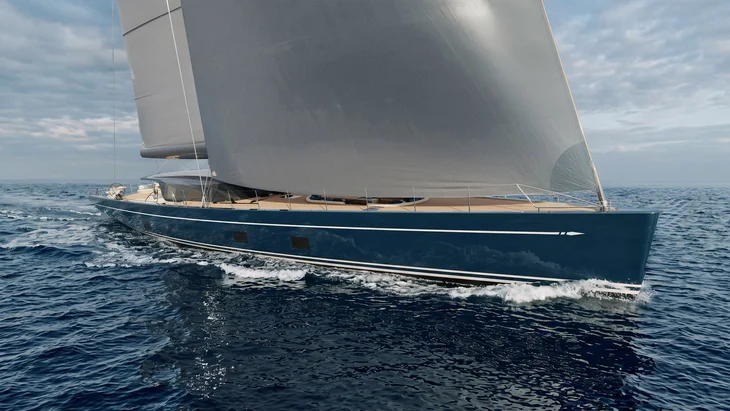
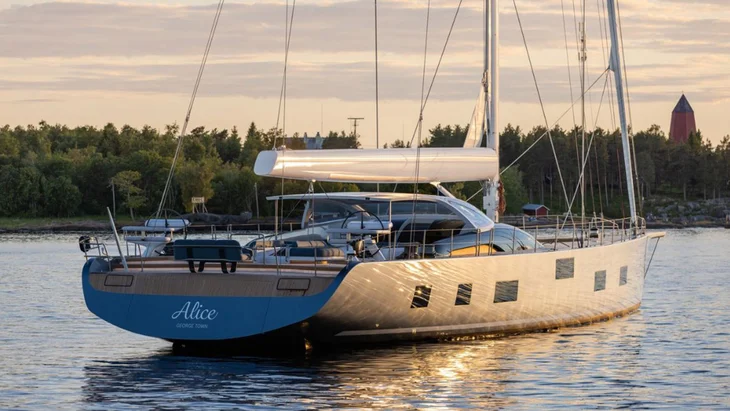
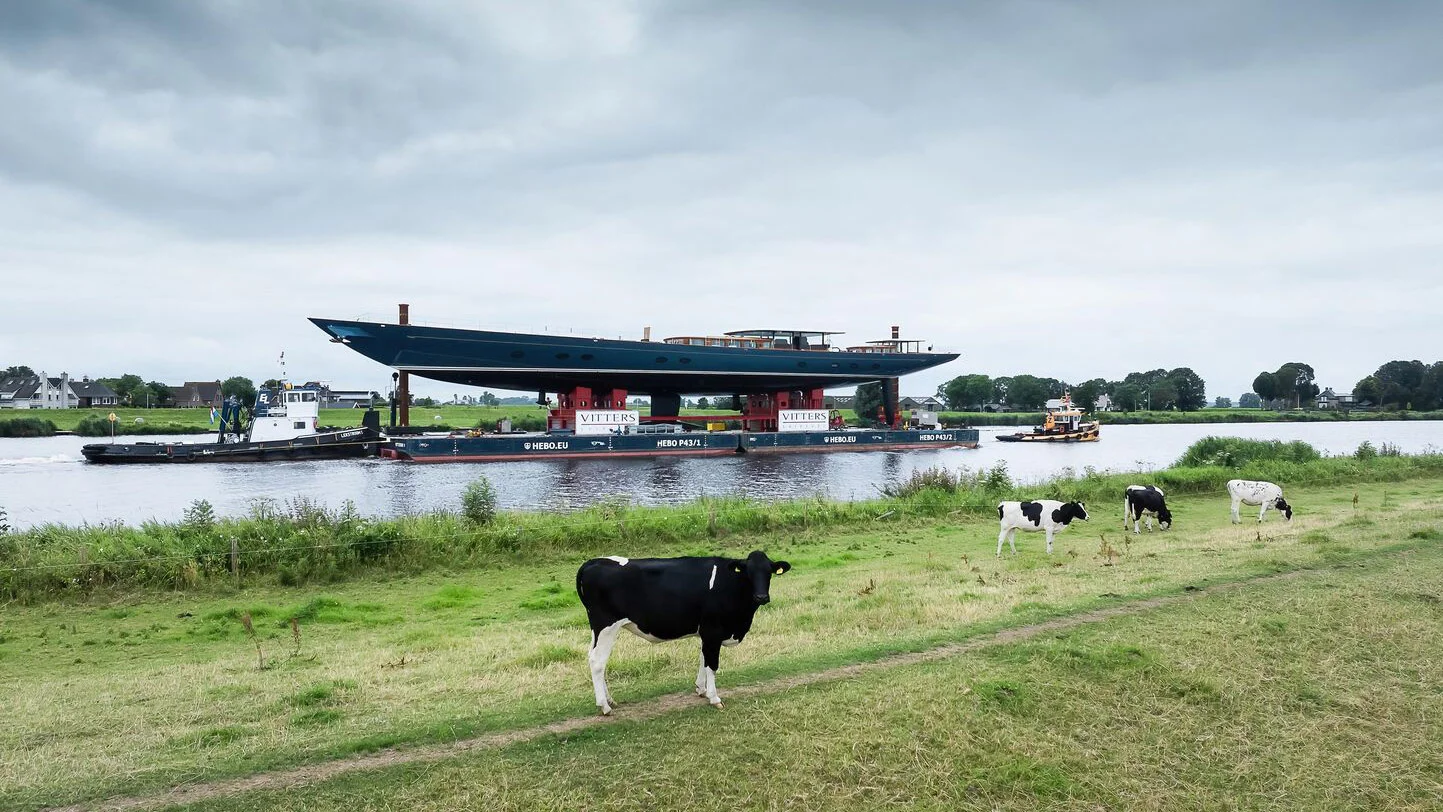
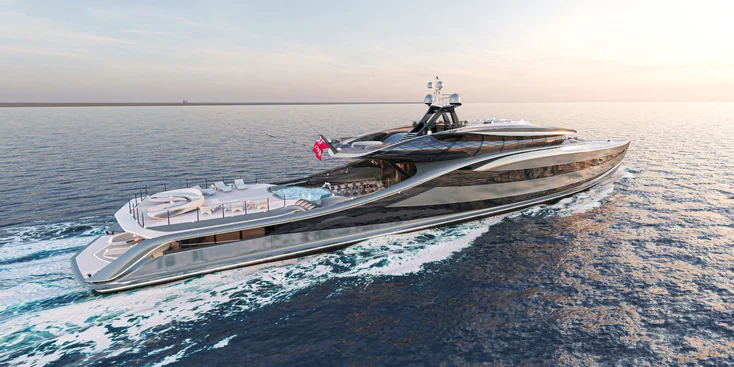
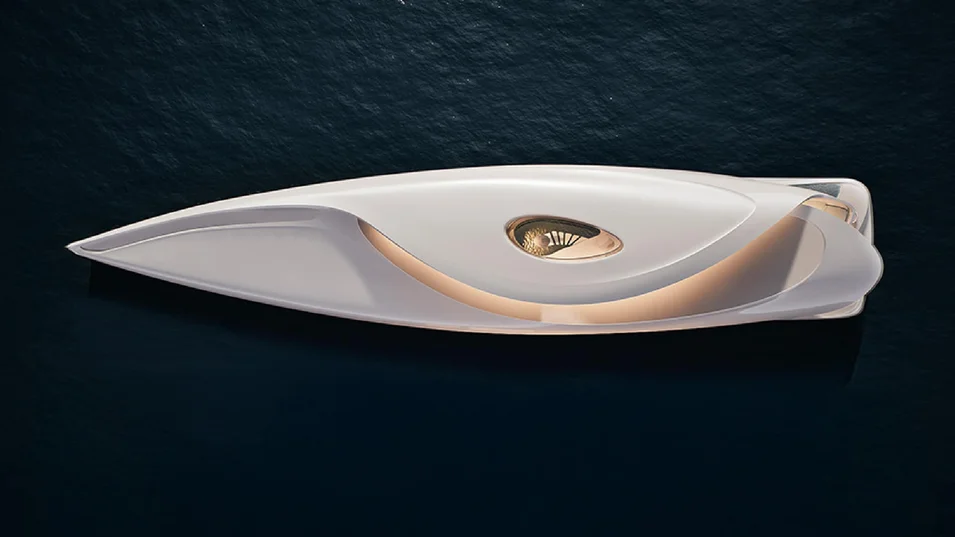
Over the last six years there appeared big projects like the hybrid 114-metre Nausicaä by Lürssen. Methanol has entered the yards’ working vocabulary. The 69-metre sailing superyacht Vitters Project Zero will be capable of sailing for two weeks in a row without burning a single drop of fossil fuel, but using a combination of three sources of sustainable energy: hydrogeneration, sun and wind.
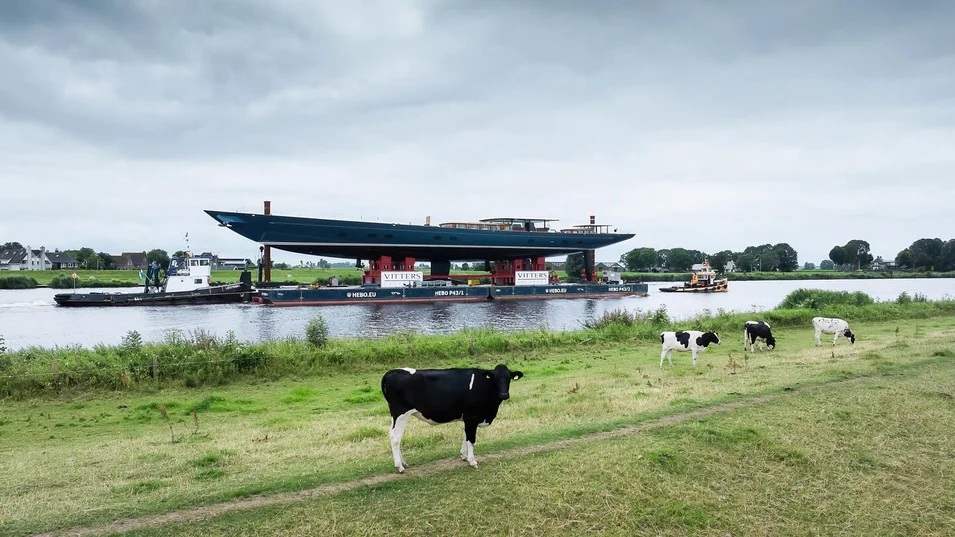
However, to his credit, Joost does not present it as a victory. His picture is quite realistic and changing at its own pace, which he treats with respect rather than disapproval.
“A lot of clients don't really care about it”, he says. “And the initial cost to create something truly fuel-efficient or fossil fuel free like we now do with Zero is for a lot of people not worth the squeeze. As a human being, I think everybody understands that we have to or that we want to. So I think that's also a little bit of an internal judge within everybody we deal with. But at the same time, I think half of my clients say all the bigger scheme of things, it doesn't matter what I do. And it might be right because as a product the yacht is waste from the start”.
There is no judgement of the client behind these words, but an honest look at the reality. Joost believes that that task is not to look at the yacht as an ecological project, but to optimise everything that is possible. Does the client really need those extra knots or can they do with a lower speed but higher autonomy? Can one do without such a simple thing as a light switch if you make the space smarter? “Just apply a common-sense approach to design”, Joost summarises.
Present day routine
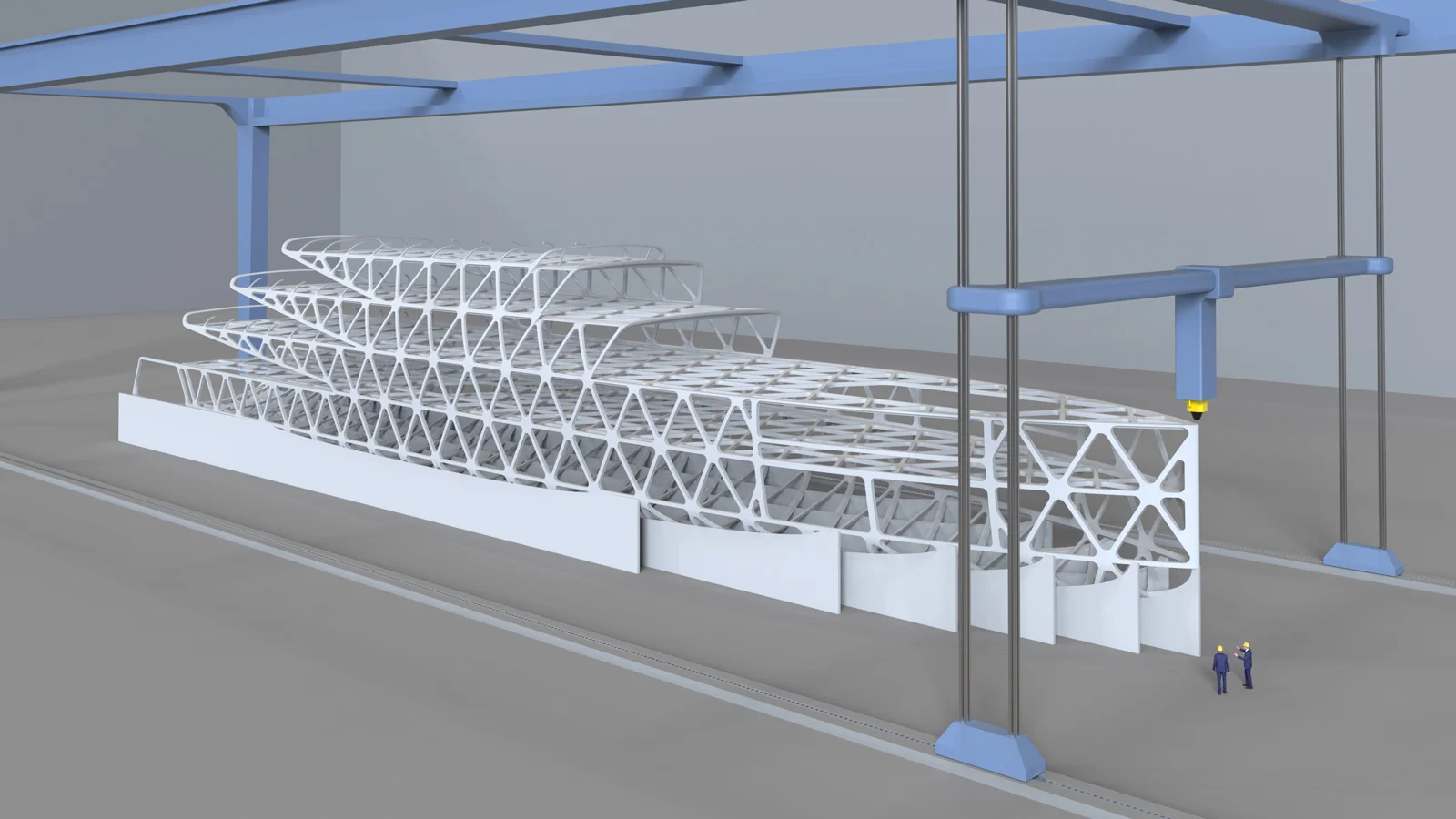
Six years ago, Joost described the way the studio started ‘living’ with Oculus headsets. His prediction was that VR would replace physical interior mock-ups, with clients approving designs while wearing the headset. He spoke of 3D printing with respect but caution: while the technology is in fashion, it isn't yet possible to print entire yachts.
Back then, all of this still felt like a promise for the future. Today, it is a reality – albeit in a somewhat different form.
“The models that we could create already get tested in VR, to verify the ergonomics sightlines experience, heights experiences, staircases, proportions. VR becomes more important to verify materials, the effect of different light modes on all the materials. The level of detail and visualisation in VR today is amazing”.
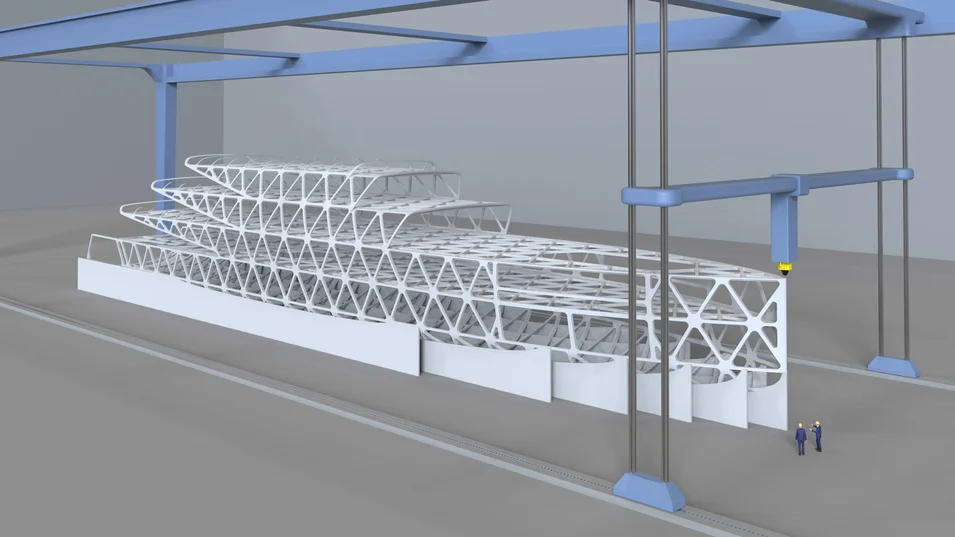
Joost speaks about 3D printing as a daily occurrence, too. In the room next to his, four printers run around the clock, almost without stopping. Some produce small-scale models for clients, allowing them to discuss the project and watch it take shape. Some are 1:1 scale mock-ups: door handles, recesses and details used to test proportions and the tactile feel.
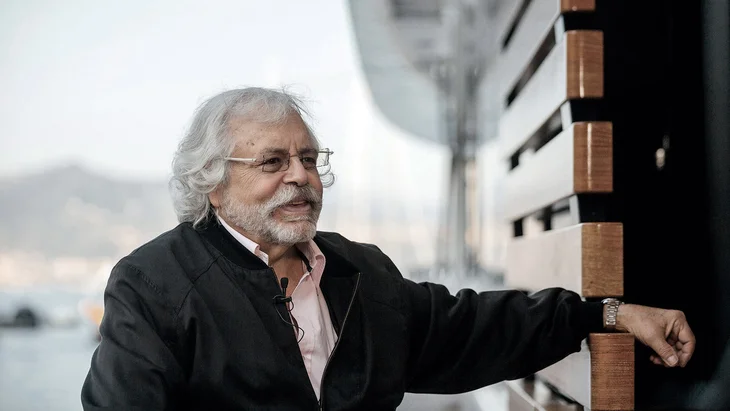
Joost is holding a full-scale print of a railing section for one of the yachts. “This is already blocking my hand. So it's not going to be comfortable to walk down the stairs. The model that you have is really easy to adjust, and the printing of this is maybe €15 or less”.
Artificial intelligence
Joost used to be adamant. “AI is something we use on a daily basis here in the company at different levels. The naval architects use it for their field of expertise, and the design team uses it likewise for their field of expertise, whether it's related to enhancing visuals or refining mood boards, playing colour settings differently, going on at rapid speed. We use it to speed up the work. That gives more time to refine and deepen the design itself rather than to speed up the process”.
AI as an tool is one thing. AI as a co-creator is a different thing altogether. And Joost is honest here.
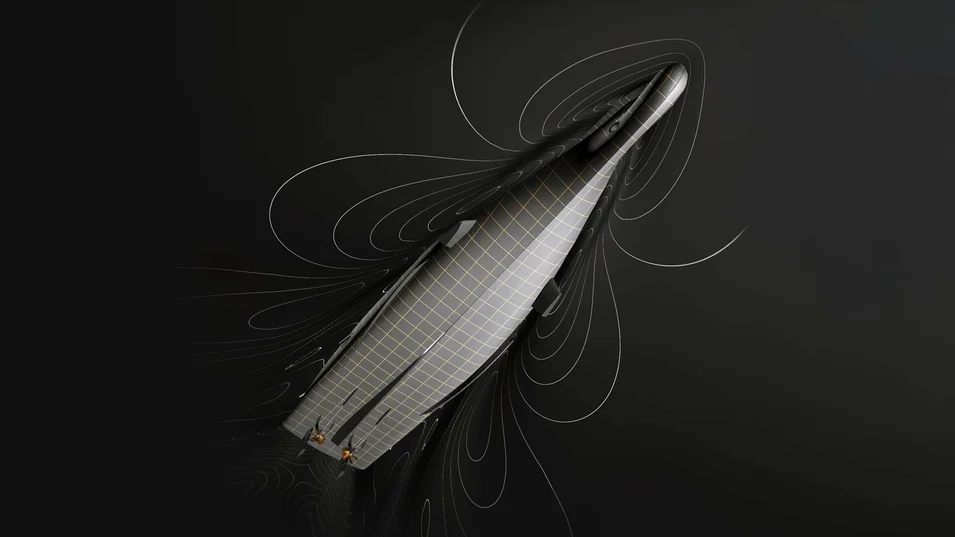
“We use AI to create more content and then have more choice. But there is a limit in AI still. In every project we see AI loses control, accuracy, verified scaling, you have to take over as a human being again and take control back again, use the three-dimensional software to refine and finalise. We are not comfortable entirely relying on AI. And we call it happy accidents. The happy accidents still occur more than frequently when we rely on AI morals and not on our own creative flow in the industry, and we have to start to face it”.
Does the studio use AI when analysing references, predicting the client’s expectations and stimulating emotional response? “Yes”, says Joost. “The AI can deal pretty well with emotions, that’s interesting. And also it is scary”.
Afterword
Joost describes yacht construction as a unique life experience. For most clients, it is a significant event, a personal story and an investment in the future.
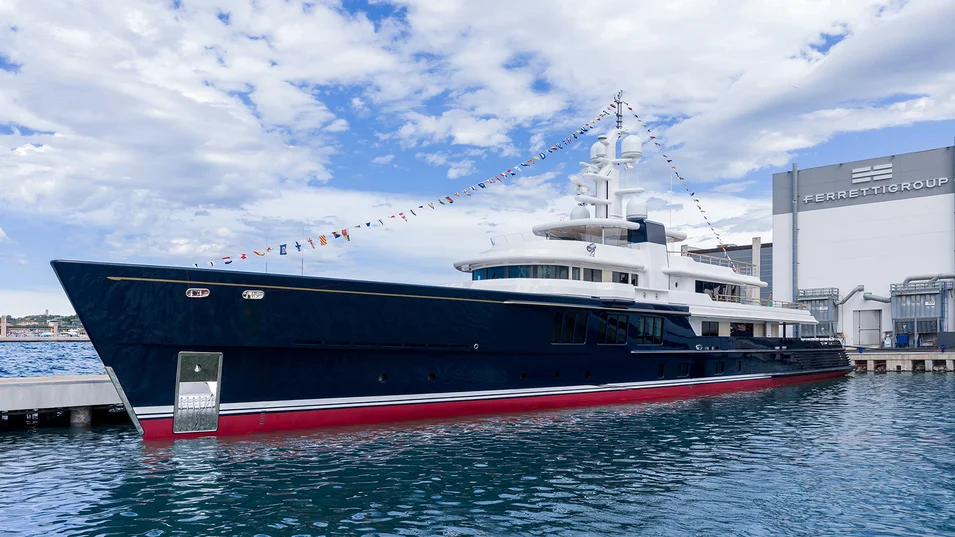
Vitters Project Zero and CRN Thunderball are two landmark projects that the studio is currently finalizing. The first one is reimagining a sailing yacht, the second one is about scaling, full-custom design and bold engineering from a yard that does not need any intoroduction. Both superyachts will be unveiled in the nearest future and are set to become really personal projects for their owners and excellent examples of the fact that the future is starting right now. Hopefully, we will have a chance to meet Joost on board Project Zero early next season to see that for ourselves.
Vripack studio
Vripack is one of the most respected design studios in the yachting industry. The company was founded in 1961 by Dutch naval architect Dick Boon and has built a portfolio of over 7,400 projects over the period of 65 years. Vripack workd with such shipyards as Vitters, Hakvoort, Mulder, RMK Marine, Moonen and CRN. Back in the 1990s, it was the first studio in the world to use 3D technologies in yacht design.
Joost Mertens
Joost Mertens joined Vripack straight out of university and has been working there for over fifteen years. He started as a yacht designer and later spent many years in charge of what he calls "fleet management", acting as the link between the studio and all the vessels built to its designs. Today, Joost is the senior designer and partner at Vripack.
You have successfully subscribed to our newsletter