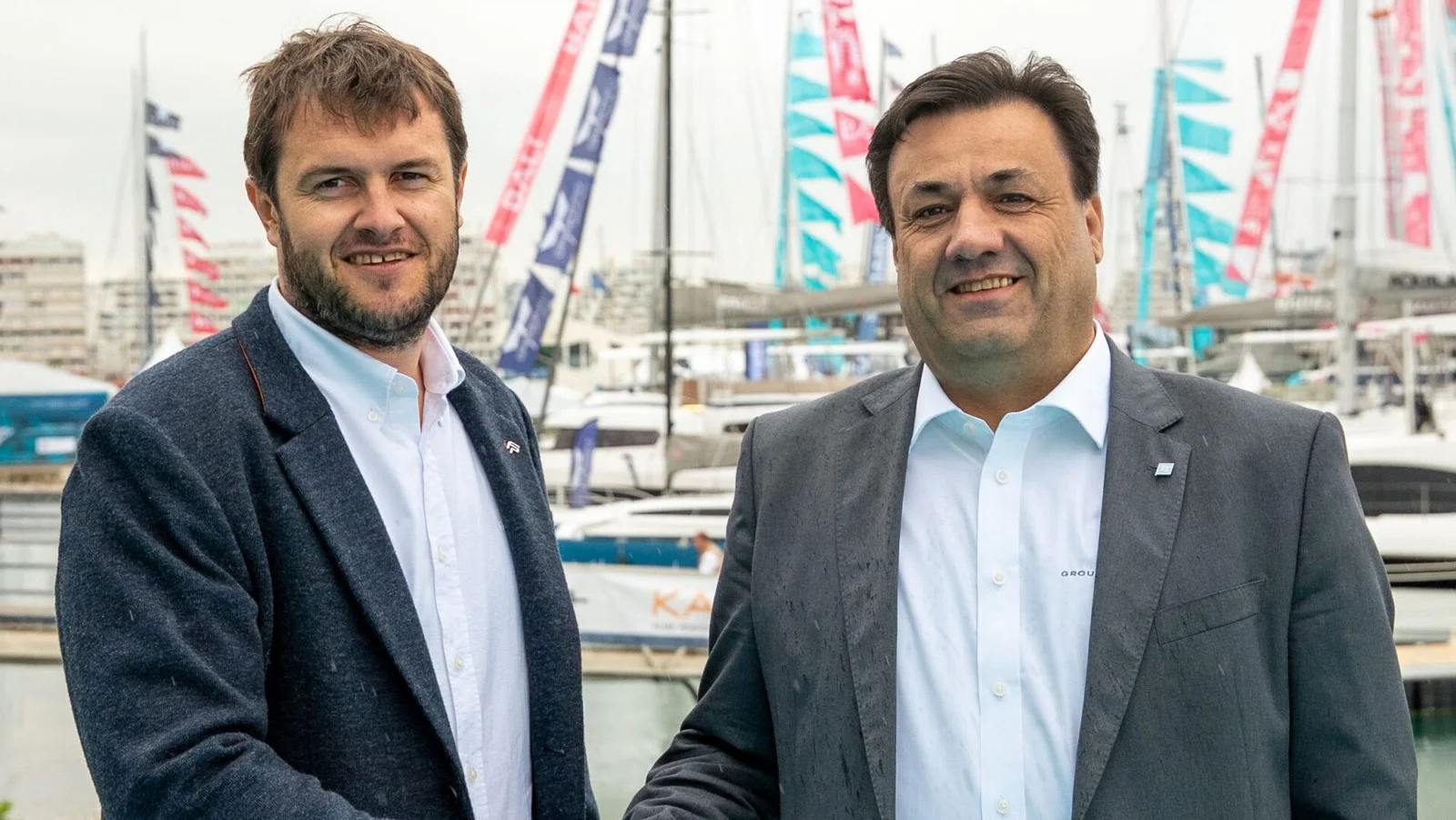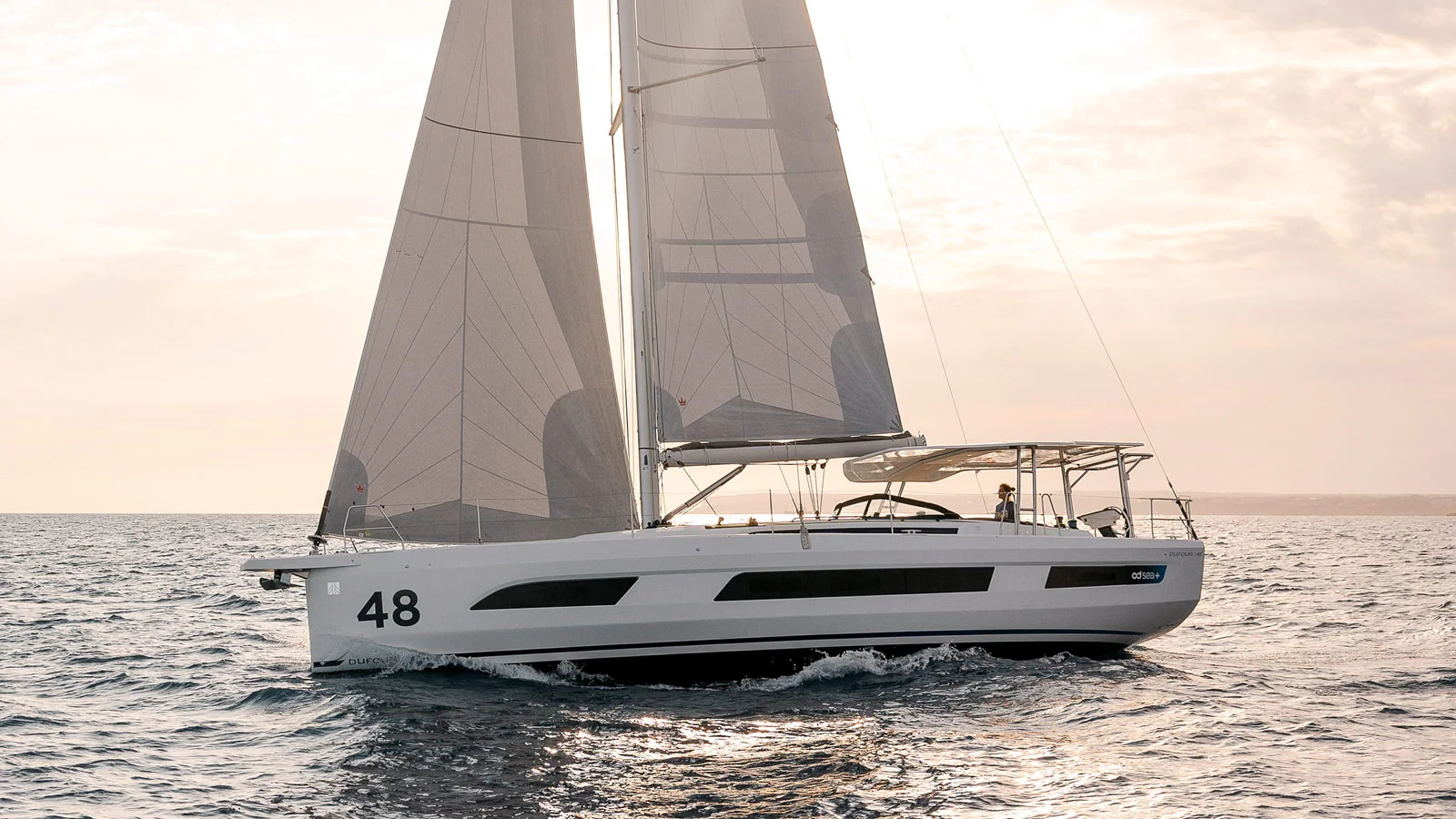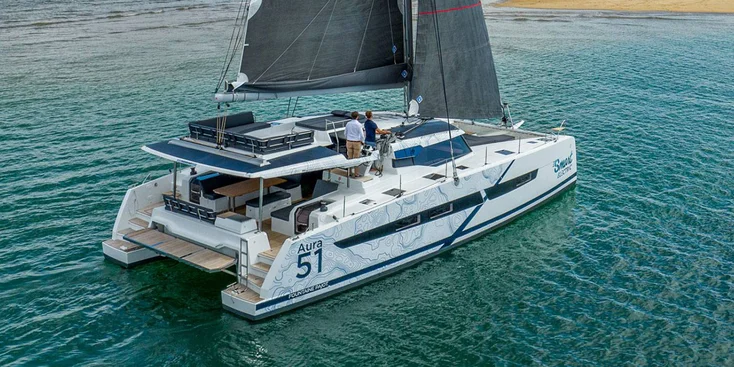
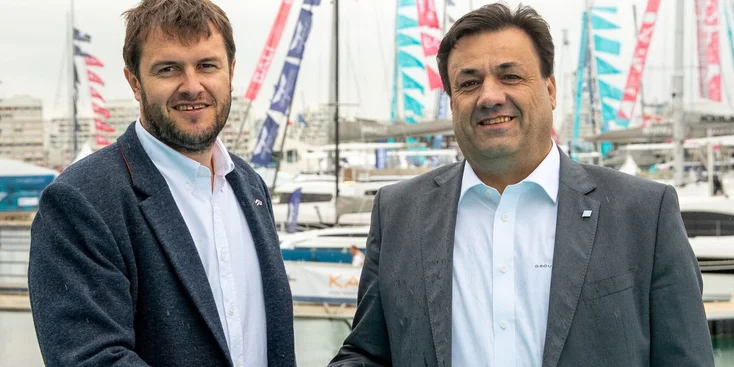
Two of the world’s largest sailing yacht manufacturers have announced the creation of a 50/50 joint venture at the International Multihull Boat Show taking place in France at the end of April
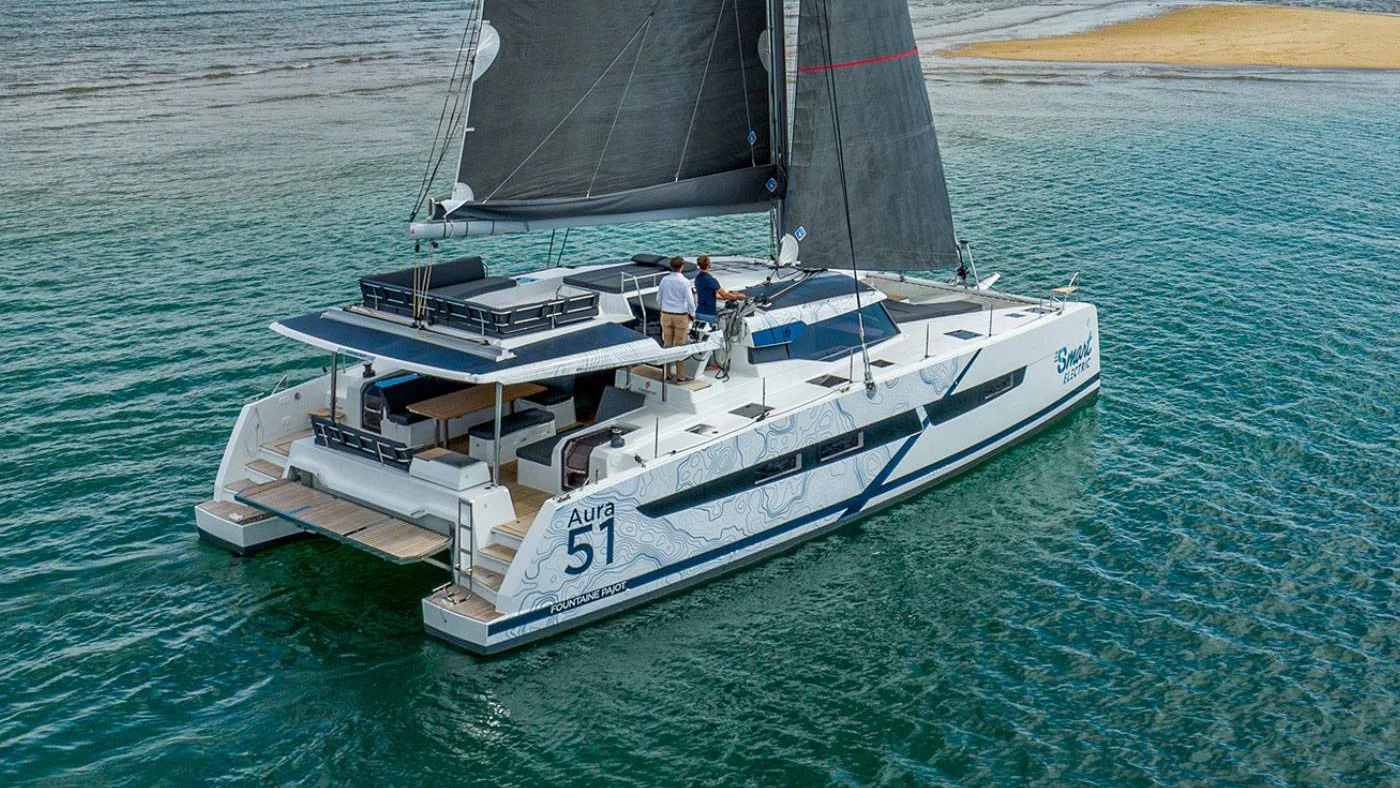
The new enterprise will unite seven major brands producing more than a half of all sailing boats in the world: Beneteau, Jeanneau, Lagoon Catamarans, Excess, Fountaine Pajot Sailing Catamarans, Fountaine Pajot Yachts and Dufour. These companies will remain commercially independent, but hope to create a global standard for the electrification and energy management of sailboats, open to all other players in the industry.
Today, over 99% of sailing yachts are fitted with internal combustion engines necessary for harbour manoeuvres, when there is no wind, or to cover part of the onboard energy needs. E-Lektra Marine sets a goal of bringing electric solutions to 10-15% of the global sailing market by 2030.
A team of marine electrical system developers will provide electrification solutions adapted to all sailboat sizes from 9 to 24 metres, from full electric to low and high-voltage hybrid solutions.
The technical platform will offer owners and boatbuilders scalable solutions for optimised onboard energy management, including solar power, engine, generator, comfort equipment and shore power connection. Real-time monitoring of consumption will be available through an easy-to-use display, while in case a problem arises there will be a standardised system supported by a global network of approved and trained service partners.
To make these ambitious plans come true, E-Lektra Marine will rely on three major strategic partners: Alternatives Energies (La Rochelle) will handle electric systems integration, Cirtem (Toulouse) will be in charge of energy conversion and management and EVE System (Lyon) will deal with battery pack design.
The creators of E-Lektra Marine believe one of its key advantages is bringing their production volumes together. By creating shared technical standards for all seven brands, this partnership aims to reach the industrial thresholds required to make these solutions simpler and more competitive. No single brand in the world could achieve this on its own.
Thus, the alliance hopes to make the low-emission sailing more accessible without compromising on safety, ease of handling and freedom of navigation. What matters most here is that in terms of price they should compete successfully with diesel engines.
You have successfully subscribed to our newsletter