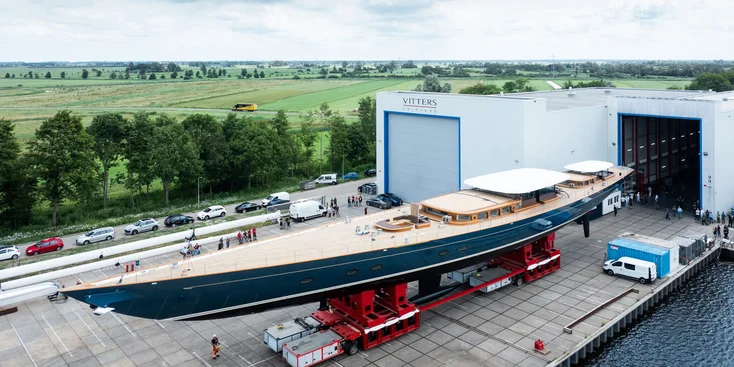
The world’s first “fossil-fuel-free” superyacht is the result of Vitters’ collaboration with Vripack and Dykstra Naval Architects that has taken seven years!
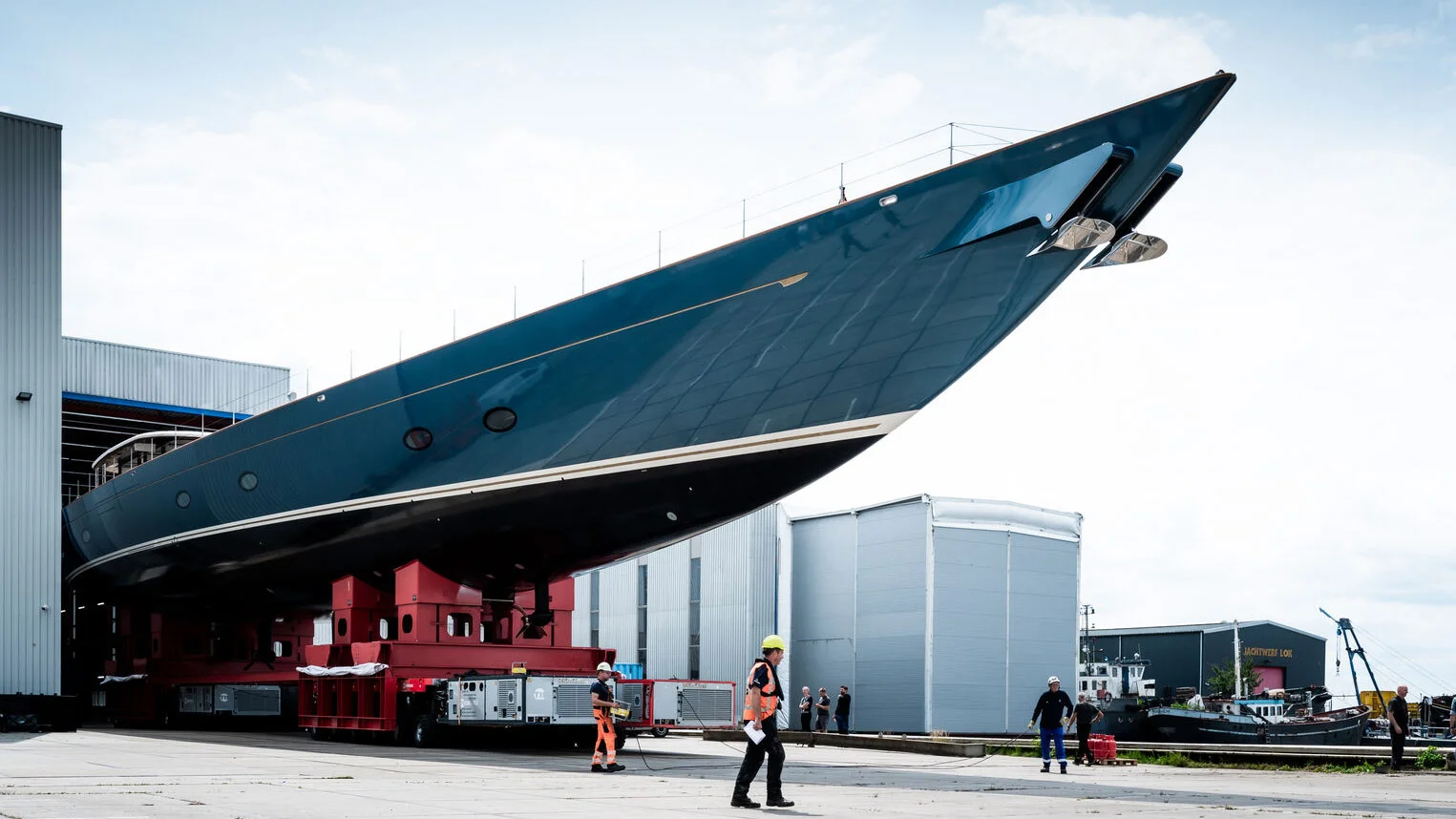
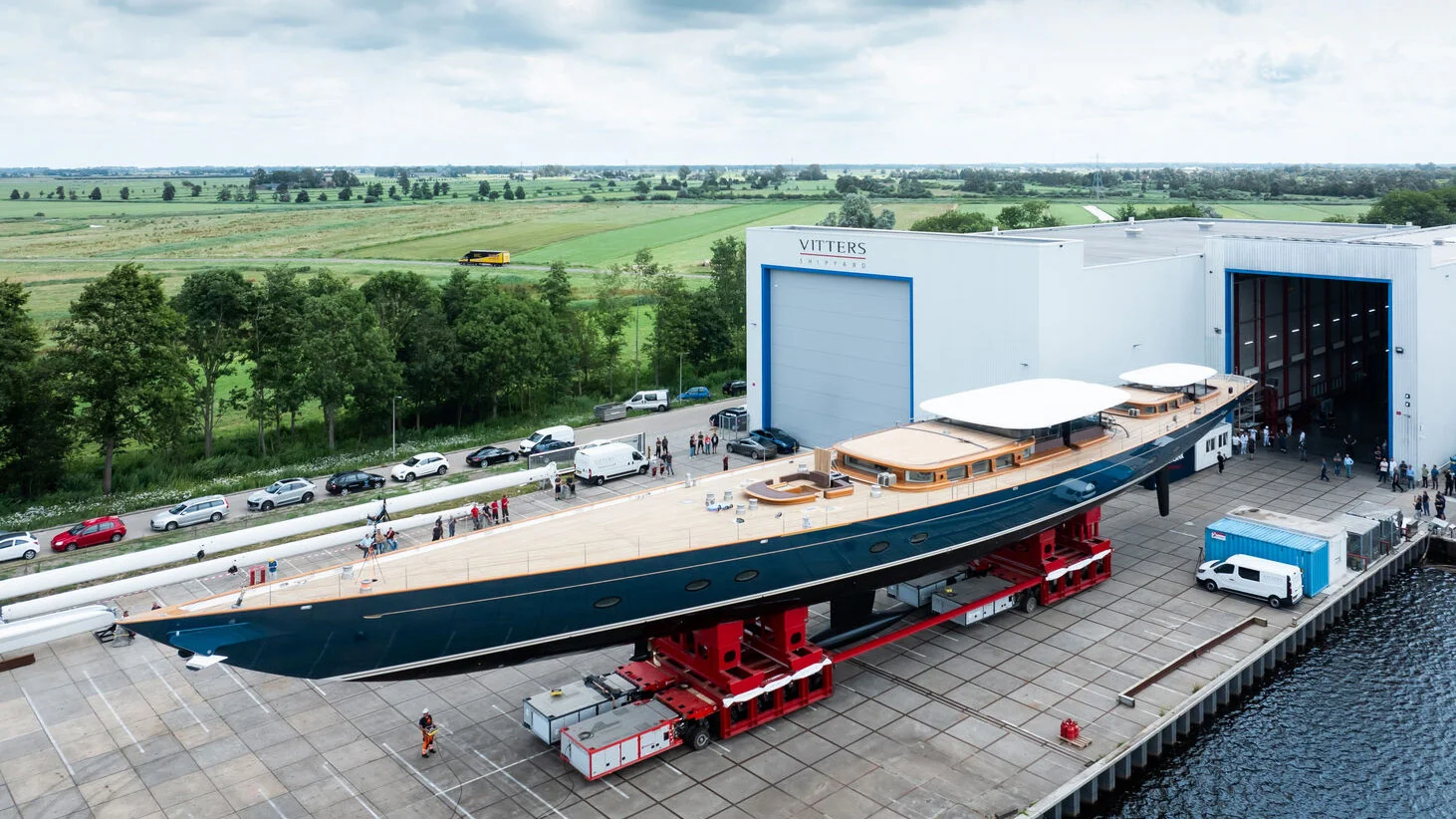
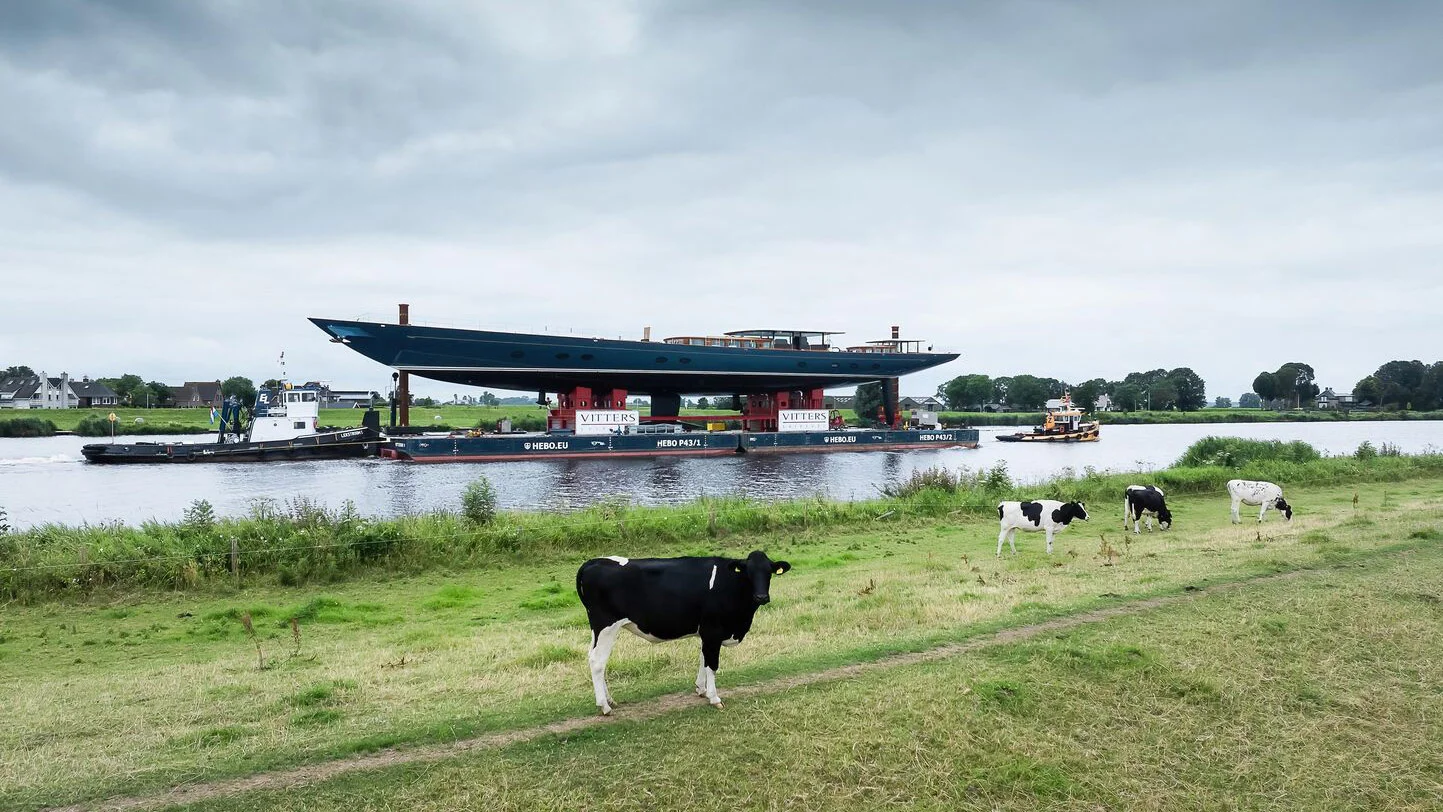
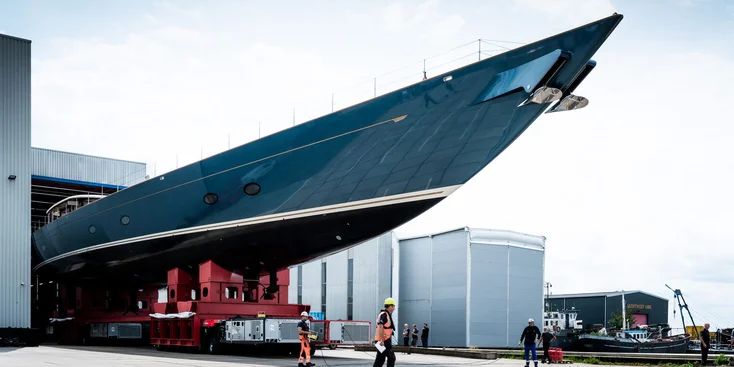
When the elegant aluminium hull with classic lines was revealed from the Vitters shed in Zwartsluis (the Netherlands) and transported by barge to Harlingen for launch, the shipyard finally lifted the veil of total secrecy around the project.
Thus, it became known that the America's Cup Emirates Team New Zealand helped Dykstra Naval Architects to refine the hull design for performance, resulting in a topside curve that delivers a 2.5%% speed increase and 8% more electric power generation.
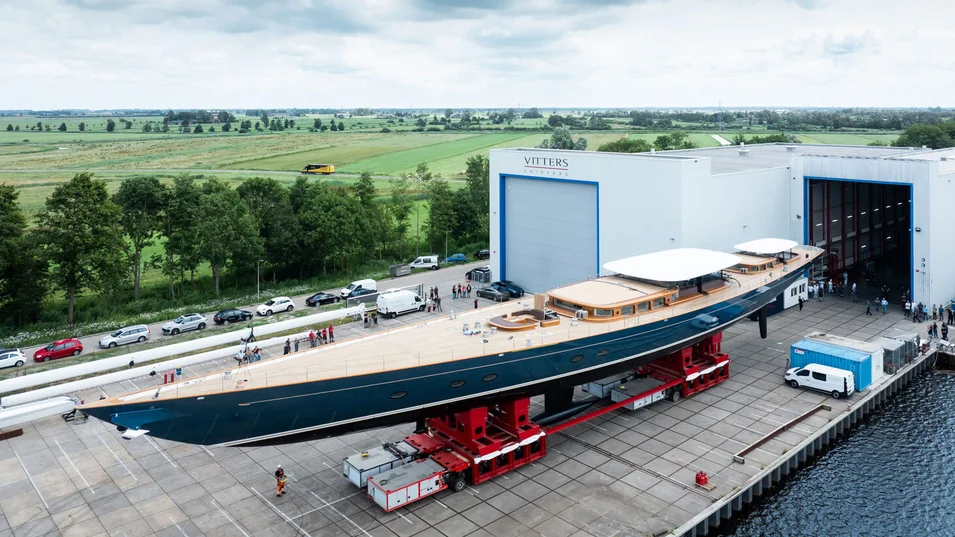
The project’s key feature is the innovative regenerative systems. According to the designers, the first step in the Zero's design was being able to cruise comfortably for up to two weeks on renewable sources exclusively. It was made possible with the help of turbine propellers and hydro-generating thrusters that generate power under sail. In addition, the yacht will also get energy from the sun: there are 100 sq.m of photovoltaic thermal panels that produce both electricity and thermal energy for heating and cooling the interior spaces of the superyacht. The entire onboard system is powered by a 700-volt DC grid, contolled from a dedicated mission control room.
The most remarkable thing is that all of the Zero's system data, technical insights and key system designs have been made freely available on the FoundationZero.org platform to encourage other designers, engineers and researchers to utilise the eco-conscious technologies.
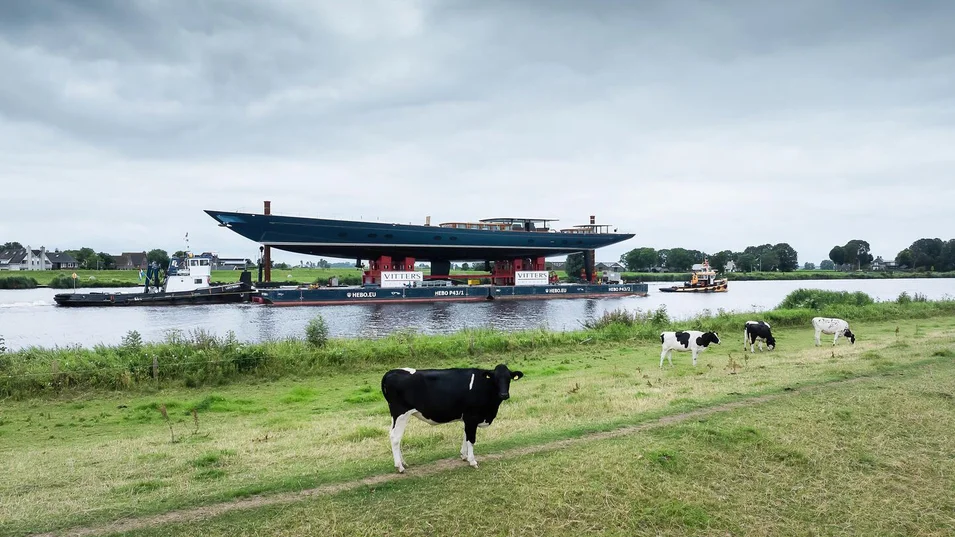
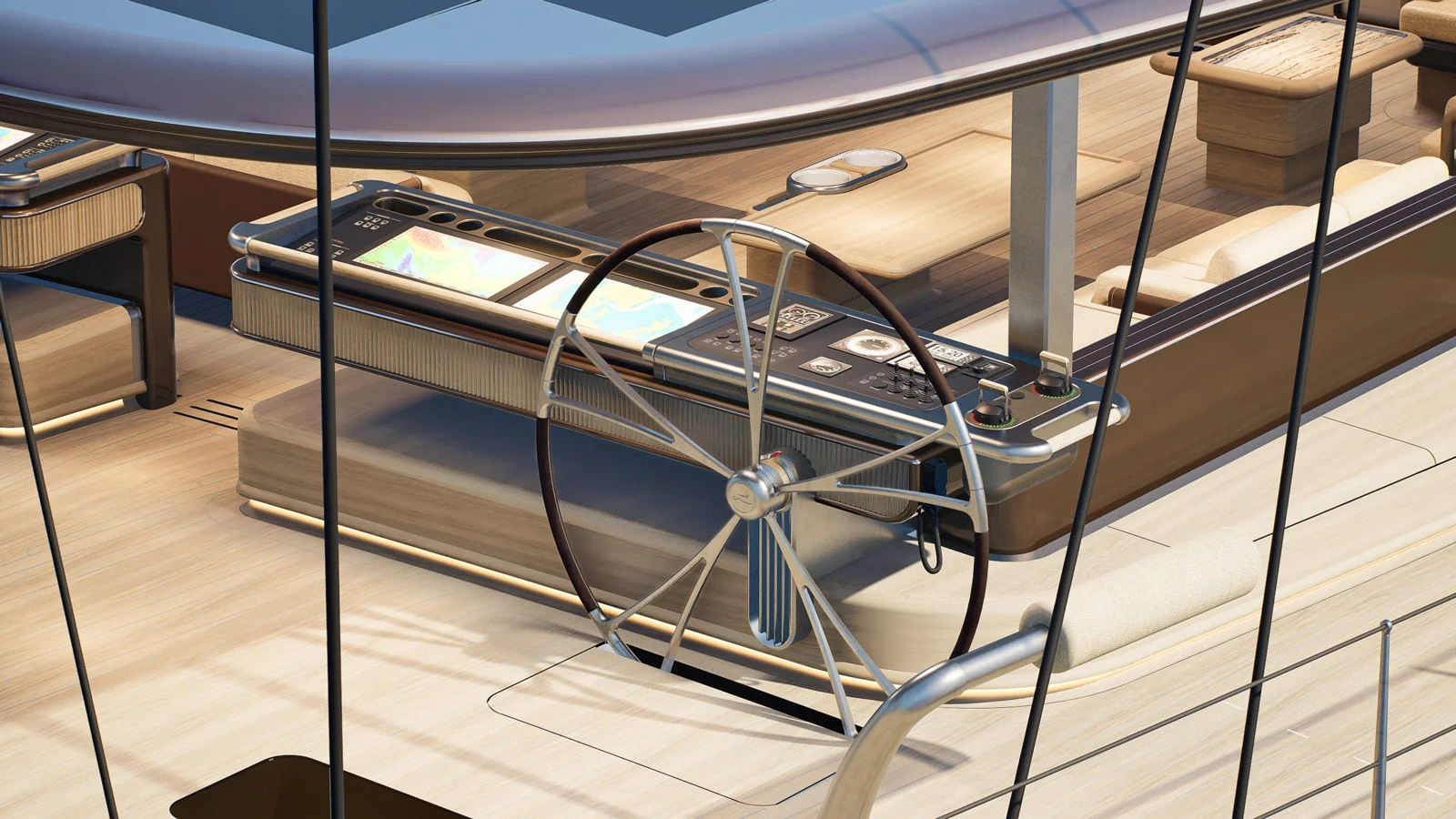
The Zero’s owners wanted their boat to combine the most advanced eco-conscious technologies with the aesthetics of a traditional sailing boat. For this reason, the exterior features long overhangs and low retro-style superstructures. However, the designers stuck to the idea of “deliberate rejection of repetition" found in traditional sailing yachts. Thus, the deck hardware is matte-finished, while the “wooden” transom is actually hand-painted. Everything on board is is well thought-out in terms of functionality: there is modular outdoor furniture on castors in the main cockpit, which allows one to transform it easily from a lounge into a formal dining area for up to 12 guests.
Each of the four guest cabins features its own theme inspired by the owner’s favourite places from Italy to French Polynesia. The owner’s suite wraps around the mizzen mast and features a custom artwork by American artist Sienna Martz, best known for her Soft Sculpture works.
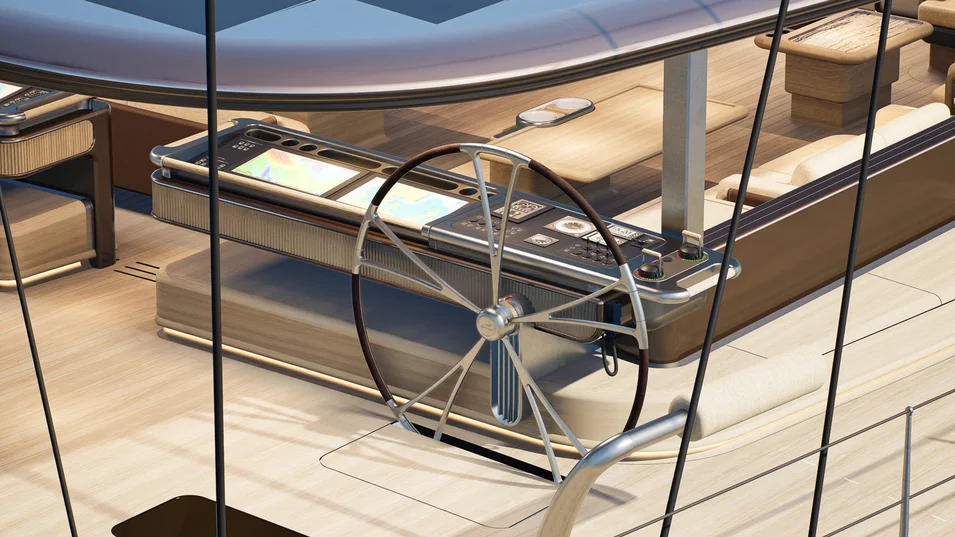
After the final outfitting and stepping of the yacht’s Panamax-height masts produced by CarboLink AG, she will be ready for sea trials. The owners intend to use the Zero not only for private cruises and limited charters, but also for scientific research aimed at sustainable technology and ocean preservation.
“We look forward to seeing Zero in her natural habitat, and showing the world what can be achieved when creative minds embark together on a voyage to create a yacht that proves what can be done to make the world and the seas a little better,” said CEO of Vitters, Louis Hamming.
You have successfully subscribed to our newsletter